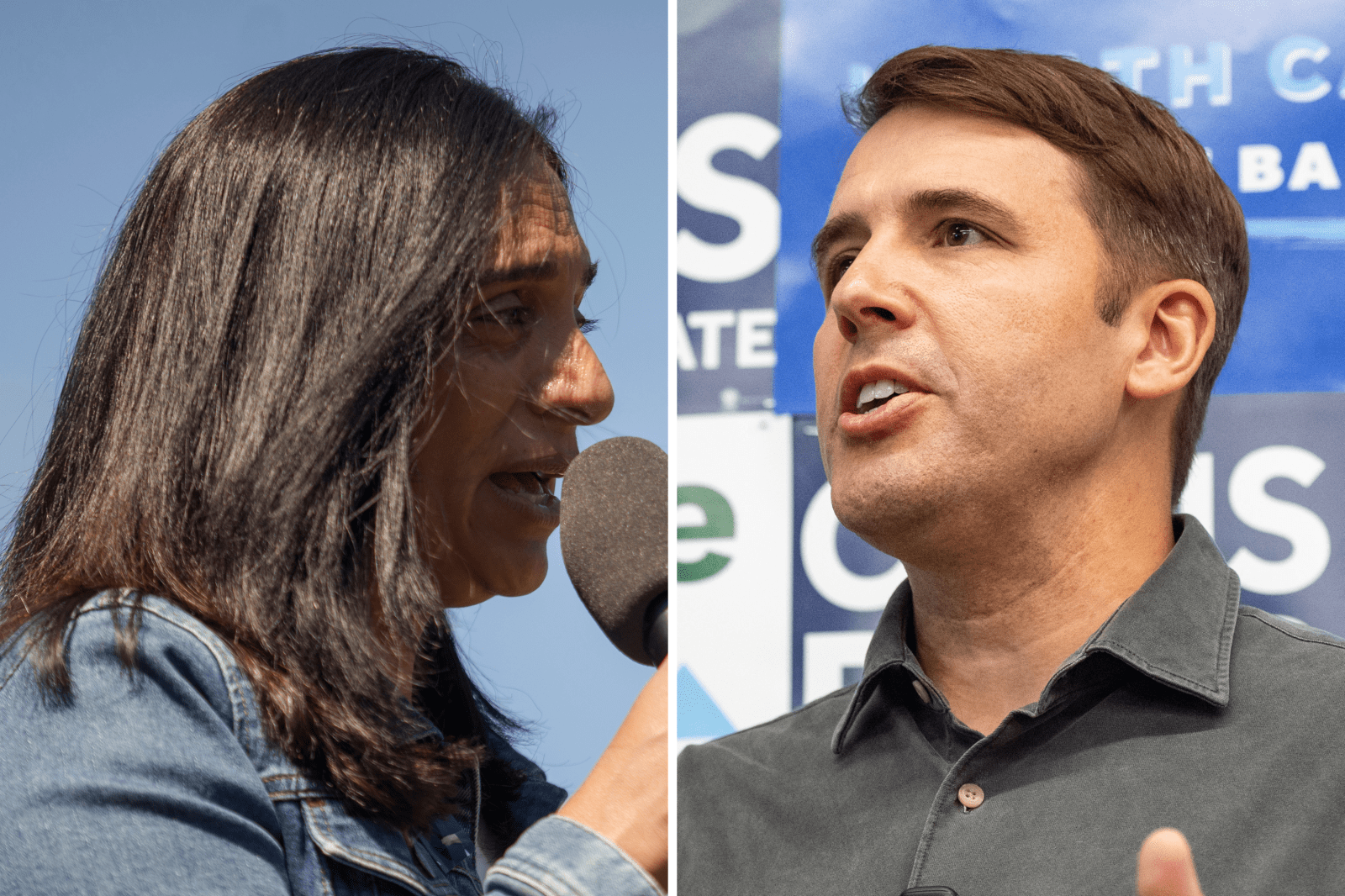
Progressives hope for a late surge to aid Karishma Manzur in the Democratic primary for the New Hampshire Senate race. However, Representative Chris Pappas currently holds a lead in polls and prediction markets. New Hampshire, a swing state leaning Democratic, backed former Vice President Kamala Harris by only about 3 points in the 2024 election. This makes it the most closely divided New England state. The race is competitive with the retirement of Democratic Senator Jeanne Shaheen at the end of her term.
Democrats expect the national climate, influenced by anti-Trump sentiments, to maintain control of the seat. Nevertheless, Republicans believe the candidacy of former Senator John Sununu introduces unexpected competitiveness. Some recent polls suggest a statistical tie.
Pappas vs. Manzur: Polling Insights
Tuesday’s primary will define the general election landscape. Pappas is seen as the frontrunner, but progressives anticipate an upset with new data showing a tighter race. A recent poll from the University of New Hampshire indicates a narrowed gap. Sununu is the anticipated favorite in the Republican primary, facing former Massachusetts Senator Scott Brown.
The latest independent UNH poll showed Pappas leading by 13 points over Manzur, polling at 47 percent to Manzur’s 34 percent. This survey included 2,143 New Hampshire residents and 881 Democratic primary voters from August 20-24, with a margin of error of 2.1 percentage points. Compared to earlier UNH polls, Pappas’s lead has decreased from a 54-point lead in January to a 24-point lead in June.
Other polls also suggest Pappas’s strong standing. A Saint Anselm College poll showed Pappas with a 31-point lead, while an internal GQR poll showed him up by 56 points. Pappas’s moderate stance contrasts with Manzur’s progressive platform, which includes support for Medicare for All and criticism of Israel.
Prediction Markets and Republican Views
Pappas holds a strong position in prediction markets, with a 98 percent chance of winning the primary according to both Kalshi and Polymarket. These markets track political outcomes through collective trader sentiment.
Republicans are viewing New Hampshire as increasingly competitive. Recent polls depict Sununu in a tight race against Pappas. A Fabrizio, Lee & Associates poll showed Sununu at 37 percent and Pappas at 36 percent. Interestingly, 23 percent of participants remained undecided. Another UNH poll suggested Sununu led Pappas by 2 points. Yet, other polls favor Pappas, such as a Saint Anselm College poll showing him up by 7 points on Sununu.
Polls haven’t tested a Manzur versus Sununu scenario, making her general election prospects unclear.
Democrats Sound Alarm and New Hampshire’s Political Landscape
Pappas has issued fundraising appeals, expressing concerns about the race’s competitiveness, according to the New York Times. Kathy Sullivan, former chair of the state Democratic Party, emphasized the importance of protecting competitive states like New Hampshire. Sununu’s family history and political influence add an uncertain element to the race.
Despite Sununu’s solid backing, New Hampshire remains challenging for Republican Senate candidates. Shaheen’s significant 2020 reelection and Hassan’s recent wins illustrate this.
New Hampshire presents a politically moderate environment, slightly leaning Democratic at the federal level while commonly electing Republican governors. Independents are crucial for securing a victory in November. The state’s close outcomes in recent presidential elections highlight its divided nature.
For Democrats, maintaining or flipping the New Hampshire Senate seat is critical amid a challenging Senate map. Currently, Republicans hold a 53-47 Senate majority, complicating the Democrats’ path. Apart from New Hampshire, they must contend with swing states like Georgia and Michigan, targeting GOP-held seats in Maine and North Carolina. Success would require victories in conservative bastions such as Alaska and Texas.
Forecasters describe this Senate race as Lean Democratic but acknowledge the competitive nature. Voting hours for the primary vary, with major cities closing polls at 7 p.m. ET.
Leave a Reply