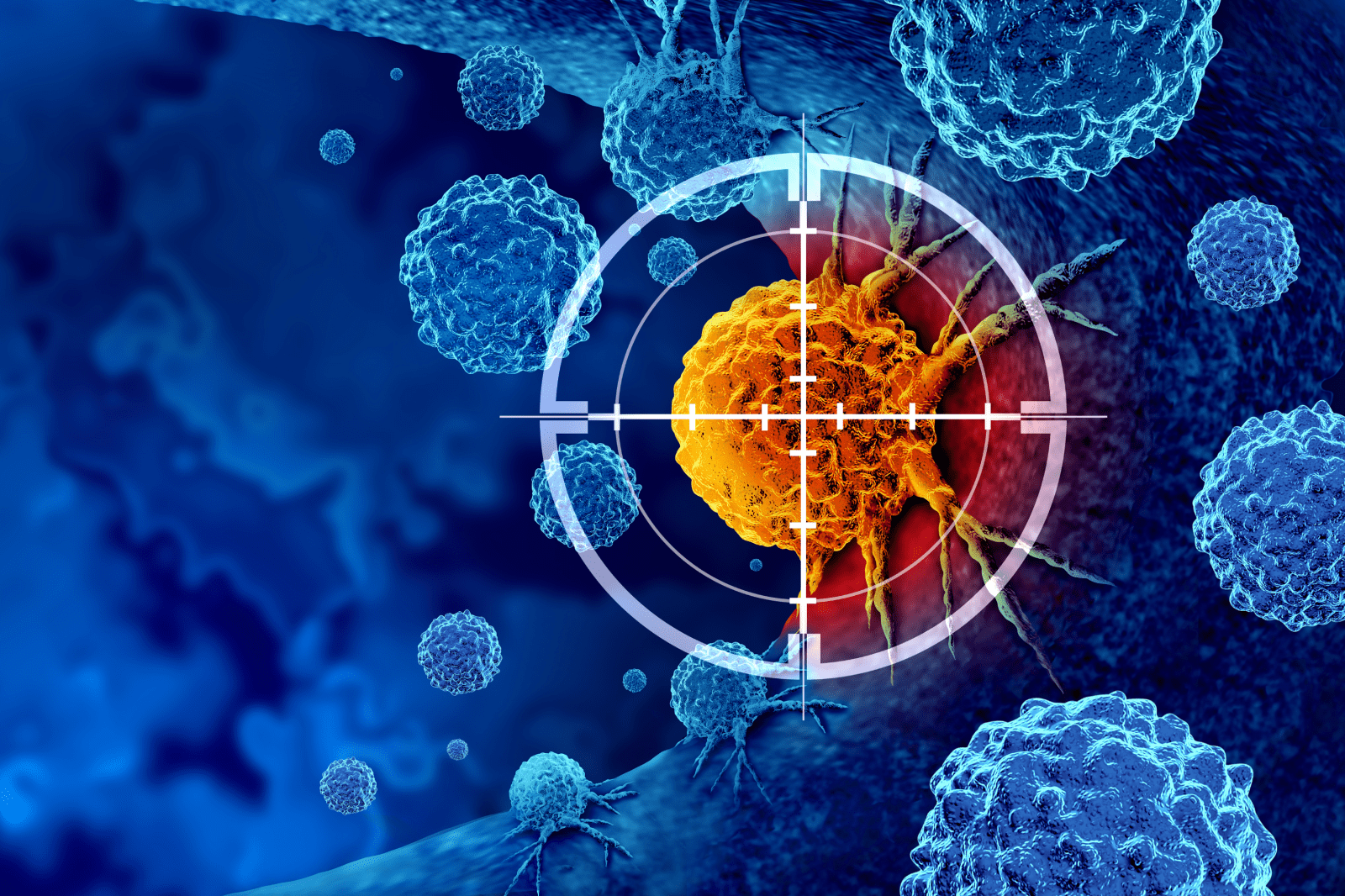
Researchers from Guizhou Medical University have developed a nanoparticle approach aimed at enhancing cancer treatment by utilizing the copper within tumors to trigger cell death. Published in Biomedical Analysis, the study focuses on a process called cuproptosis, where copper disrupts cancer cells’ survival mechanisms, causing them to die.
This method seeks to improve upon previous strategies that added external copper, as such methods risk toxic side effects in healthy tissues. Instead, the new system uses a copper-binding agent that’s delivered directly to tumor cells, allowing the system to exploit the existing copper already in tumors.
The research team crafted biodegradable nanoparticles from PLGA-PEG, a safe material that breaks down inside the body. They enhanced these nanoparticles with iRGD, a tumor-penetrating peptide, to guide them to cancer cells more effectively. Inside these nanoparticles is TPEN, which binds to metals like copper.
The resulting formulation, known as TPEN@1%-iPPN, focuses on delivering TPEN specifically to tumor cells. In laboratory conditions, the nanoparticles were around 80 nanometers in size, maintaining stability similar to the bloodstream environment. These particles gradually released TPEN over 72 hours, ensuring sustained exposure in tumor settings.
Further testing with 4T1 breast cancer cells showed that nanoparticles with iRGD were absorbed by cancer cells significantly more than their non-targeted counterparts. A 1% iRGD modification provided an optimal balance between targeting cancer cells and maintaining nanoparticle stability.
The study also examined the impact on normal cells. Targeted nanoparticles exhibited higher toxicity against breast cancer cells compared to non-targeted particles but were less damaging to normal human endothelial cells than unencapsulated TPEN.
Dr. Ying Chen, the study’s corresponding author, highlights that using the tumor’s own copper supplies could improve treatment selectivity while lessening the systemic side effects typical of metal-based cancer therapies. “We have showcased a valid proof-of-concept at the cellular level, and we hope this inspires further research into cuproptosis-based nanomedicine,” she explained.
Despite the exciting findings, many challenges must be addressed before clinical treatments can be developed. Dr. Harshad Kulkarni, chief medical advisor for BAMF Health, finds the approach scientifically intriguing due to its aim to exploit a metabolic vulnerability in many cancer cells. However, he underscores the early stage of research and the necessity to demonstrate copper-related treatment safety, pinpoint cancers most likely to respond, and identify biomarkers for treatment effectiveness.
Achieving tumor selectivity while avoiding broad toxicity is crucial since copper is vital for normal cellular functions. Future investigations will need to explore possible side effects on significant organs and ascertain if cancer cells can adapt their copper processing.
The strategies may eventually apply beyond breast cancer, depending on each tumor’s unique biological traits. Continuous studies will be critical to transforming this laboratory approach into practical therapies for patients.
Leave a Reply