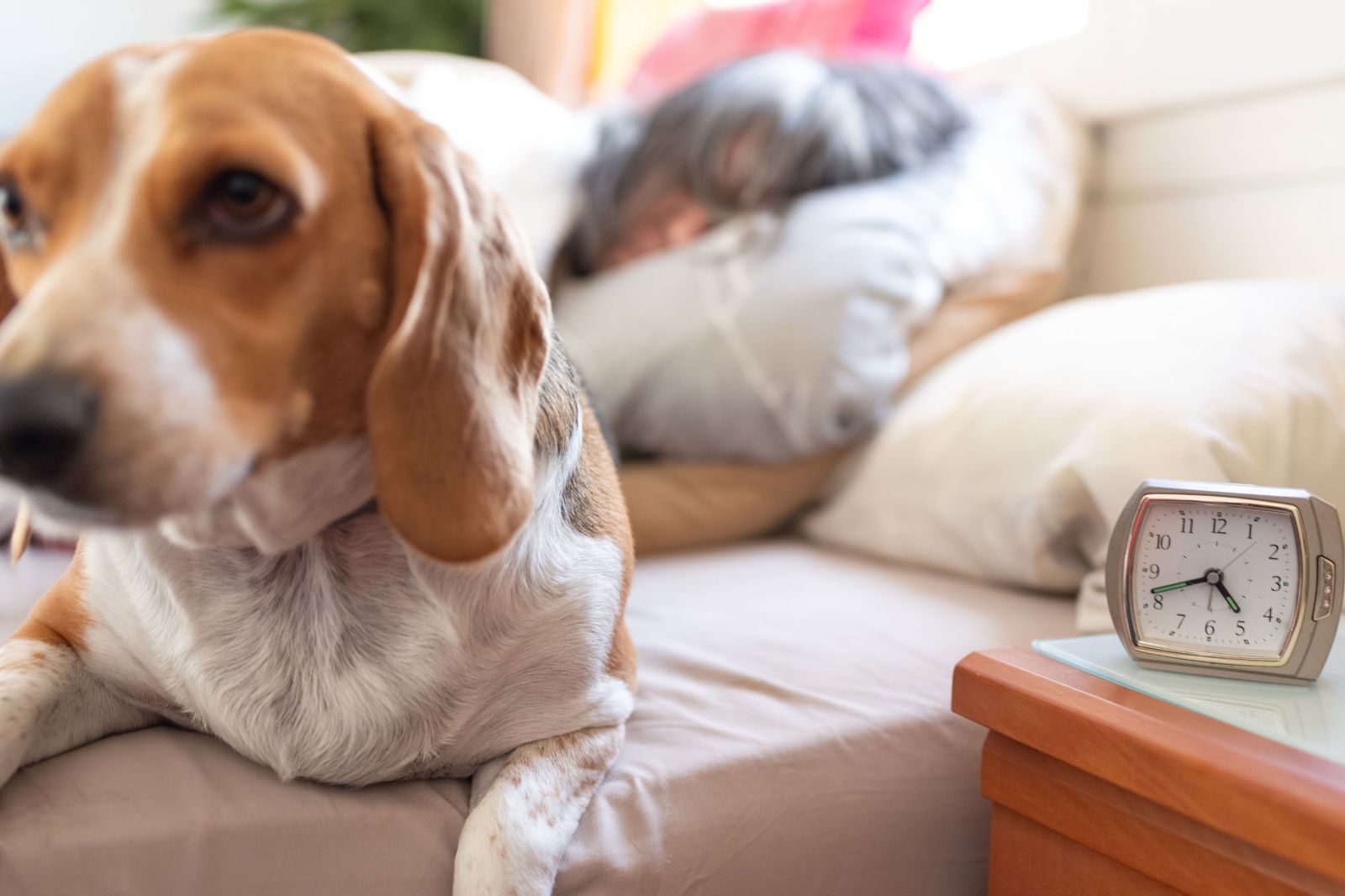
A proposal to make daylight saving time permanent has passed the House of Representatives and now awaits a Senate vote. Known as the Sunshine Protection Act, this legislation would maintain daylight saving time in the United States year-round, eliminating the twice-yearly clock change. While this might simplify schedules for most Americans, pets might experience disruptions in their routines.
Implications of Permanent Daylight Saving Time
Under permanent daylight saving time, Eastern states would remain on Eastern Daylight Time, Central states on Central Daylight Time, Mountain states on Mountain Daylight Time, and Pacific states on Pacific Daylight Time. Most people might welcome not having to change their clocks twice a year; however, pets could need a short adjustment period.
Dr. Karen “Doc” Halligan explains that pets thrive on routine, and changes in feeding, walking, medication, or bedtime schedules could temporarily affect them.
How Pets Follow Routines
Pets operate on internal biological clocks, known as circadian rhythms, which regulate sleep, activity, and hunger. The change to permanent daylight saving time isn’t harmful itself, but the adjustment period may cause temporary confusion.
For instance, a dog accustomed to breakfast at 7 a.m. may still expect a meal at that time, despite a shift in the owner’s schedule. Similarly, cats familiar with dinner at a specific time might become more vocal or active if there’s a delay.
Pets typically adjust within a few days. Some animals, like senior pets, those with health issues, or those on strict medication schedules, might face longer adjustment periods.
Adjustments for Specific Pets
Particular pets may be more sensitive to changes:
- Senior dogs and cats
- Puppies and kittens
- Pets with anxiety disorders
- Animals with cognitive dysfunction
- Pets on strict routines
- Diabetic pets requiring insulin
For pets on medication schedules, Halligan advises gradual adjustments under a veterinarian’s guidance.
Impact on Pet Walks
Permanent daylight saving time, potentially starting December 1, could influence walking schedules. Longer evening daylight might encourage later walks to avoid heat, but risks of heat-related illness could rise during summer months.
Conversely, darker mornings might lead to walks before sunrise, introducing new safety concerns.
Ensuring Safety During Early Morning Walks
Reduced visibility increases risks for both pets and owners. To stay safe, Halligan recommends:
- Using reflective collars, leashes, or LED lights
- Wearing reflective clothing
- Carrying a flashlight or headlamp
- Choosing well-lit routes
- Keeping dogs leashed and staying alert for wildlife
Helping Pets Adapt
Gradual adjustments are essential for helping pets adapt to schedule changes. Halligan suggests shifting meal and walk times gradually, by 10 to 15 minutes daily, ahead of the final change. Medication schedules should remain consistent, and normal bathroom and bedtime routines should be maintained. Owners should observe changes in appetite, sleep, or behavior.
Consistency helps pets adapt quickly, and maintaining a predictable routine is crucial for their well-being.
As Halligan notes: “Pets don’t wear watches—they watch us.”
Leave a Reply