The Double the Wage for Overtime Act of 2026
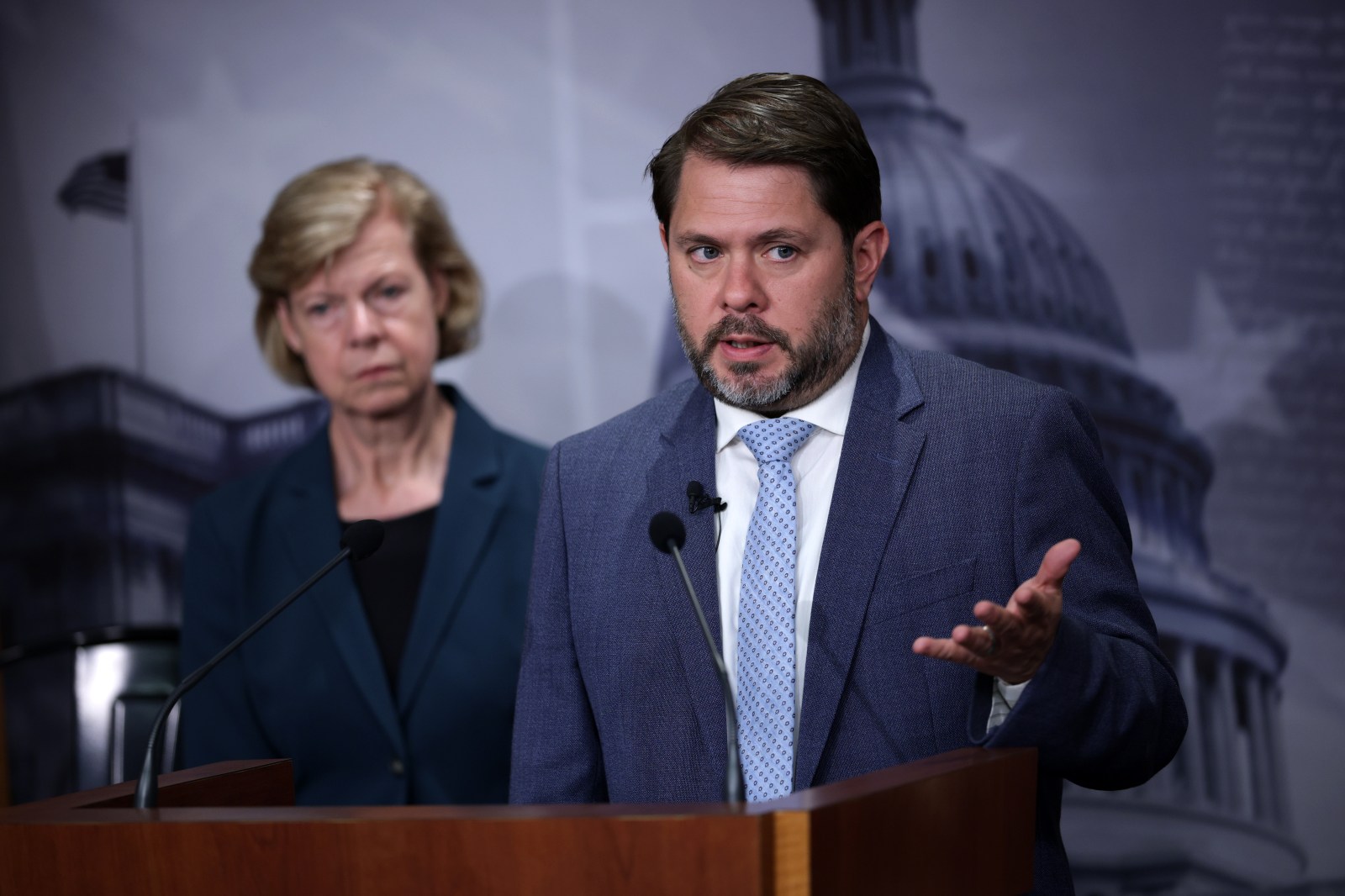
Millions of American workers could earn more for overtime under a proposed bill before Congress. Senator Ruben Gallego, an Arizona Democrat, has introduced the Double the Wage for Overtime Act of 2026. This bill aims to increase the federal overtime pay rate from 1.5 times the regular hourly wage to double for hours worked beyond 40 in a week.
Workers have not seen their overtime rate double in nearly 90 years. Increasing the overtime rate will put more money in their pockets,
Gallego stated.
If the bill passes, it would amend the Fair Labor Standards Act, effective 180 days post-enactment. The current law requires employers to pay eligible workers 1.5 times their rate for extra hours since 1938.
Why It Matters
The bill comes at a time when Americans face rising living costs and stagnant wage growth. Supporters argue that workers deserve greater compensation for extra hours, while critics worry about impacts on businesses with tight margins.
According to Gallego’s office, 13.4 million workers stand to benefit. For instance, a worker earning $25 per hour for 10 weekly overtime hours could see their wage rise from $37.50 to $50 per hour. Annually, this change means about $6,500 more in earnings.
Alex Beene, a financial literacy instructor, mentioned that This proposal would make overtime pay more valuable for workers by excluding some overtime earnings from federal taxation,
providing relief during inflation periods.
Industries like manufacturing, transportation, healthcare, and construction, which rely on overtime, could see significant pay increases for employees.
Economic Considerations
Economists suggest that higher earnings typically support consumer spending. Lower- and middle-income households tend to spend additional income, boosting local economies. However, businesses might raise prices, cut hours, or hire more workers instead of costly overtime.
Michael Ryan, a finance expert, noted that employers treat overtime pay strategically, comparing the potential change to previous overtime rule expansions.
Expect the same playbook here,
he said, particularly in sectors like retail, healthcare, and nonprofits with fixed budgets.
Potential Economic Effects
The legislation could create mixed incentives for employers. Some might keep offering overtime, absorbing or passing on costs. Others may reduce overtime entirely, hiring more workers instead.
The workers most likely to benefit are those in roles where hours can’t be capped easily, such as in production lines or hospitals, according to Ryan.
Democratic Representatives Greg Casar and Pramila Jayapal introduced companion legislation in the House to update labor rules. This is a critical step in the effort to raise wages and protect workers,
Jayapal stated.
Stronger overtime protections are linked to better work-life balance and reduced burnout. However, business groups express concerns about higher costs, especially for small employers.
Support and Legislative Process
The proposal has backing from major unions like the AFL-CIO and advocacy groups like the Economic Policy Institute. Yet, it faces challenges due to lack of Republican support.
The House companion bill had Democrat sponsorship only. As Michael Ryan remarked, It’s a messaging bill right now, not a law in progress.
Next Steps
The bill is in the Senate, pending committee review. It needs congressional approval and the president’s signature to become law.
Kevin Thompson, CEO of 9i Capital Group, believes employers might cut overtime to avoid higher pay, possibly leading to wage suppression.
Leave a Reply