Senator Alan Armstrong, a Republican lawmaker from Oklahoma, emphasizes the importance of reforming the permitting process to enhance American energy independence. According to Armstrong, the current outdated systems and ongoing litigation obstruct significant infrastructure projects in the U.S. Despite the country’s rich resources in oil and gas, these hurdles often delay progress.
Armstrong, who has a background as a CEO, notes that legal battles can stop projects worth billions of dollars. He stresses the need for political actions to streamline these processes and facilitate energy development.
Recently, Senate Republicans celebrated progress after advancing a comprehensive bill aimed at overhauling the country’s permitting system. This is part of efforts to accelerate infrastructure and energy development. The Senate moved forward the Bipartisan American Affordability and Jobs Act of 2026 (BAAJA) with substantial bipartisan support. The bill faced various challenges over the past months until a coalition, with support from the White House, refined the proposal.
This extensive package intends to speed up environmental reviews, limit legal obstacles, safeguard approved projects, expand the electric grid, and streamline energy development across all energy sources, including oil, gas, and renewables.
America’s broken permitting system is quietly raising your cost of living.
Shelley Moore Capito, Chair of the Senate Environment and Public Works Committee, remarked on the bill in September. She indicated that it represents significant progress toward making infrastructure projects faster and more efficient, while still maintaining strong environmental protections.
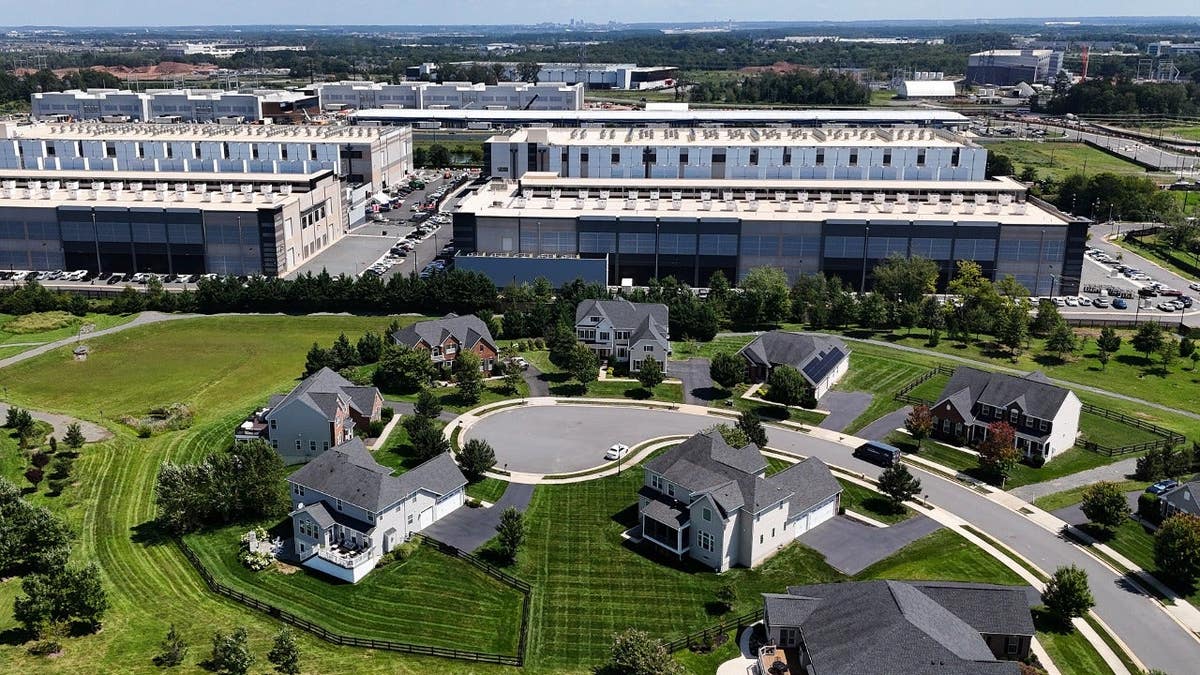
The bill also addresses the prevalent issue of data centers. Sen. Martin Heinrich, a Democrat from New Mexico and a leading advocate for the bill, pushed for provisions that would protect consumers from increased costs due to data center development and their energy demands.
Heinrich explained that the law would ensure that development is responsible, leading to more jobs and affordable energy. The initiative mandates that large power consumers, like data centers, absorb the additional energy costs they incur by law, not as a suggestion.
The legislation applies to data centers with a power demand of 20 megawatts or more, requiring them to pay for additional power needs, offer financial guarantees for infrastructure costs, and cover any unpaid expenses if relocating. States could also charge higher rates to ease other customers’ bills and impose specific power supply conditions.
While the bill passed the Senate, its fate in the House remains uncertain. Armstrong, who took over the role earlier this year from Homeland Security Secretary Markwayne Mullin, has prioritized permitting reform. He revealed support from both sides of the aisle in the House, but emphasized the need for adequate attendance to ensure its passage.
Alex Miller reports for Fox News Digital with a focus on the U.S. Senate.
Leave a Reply