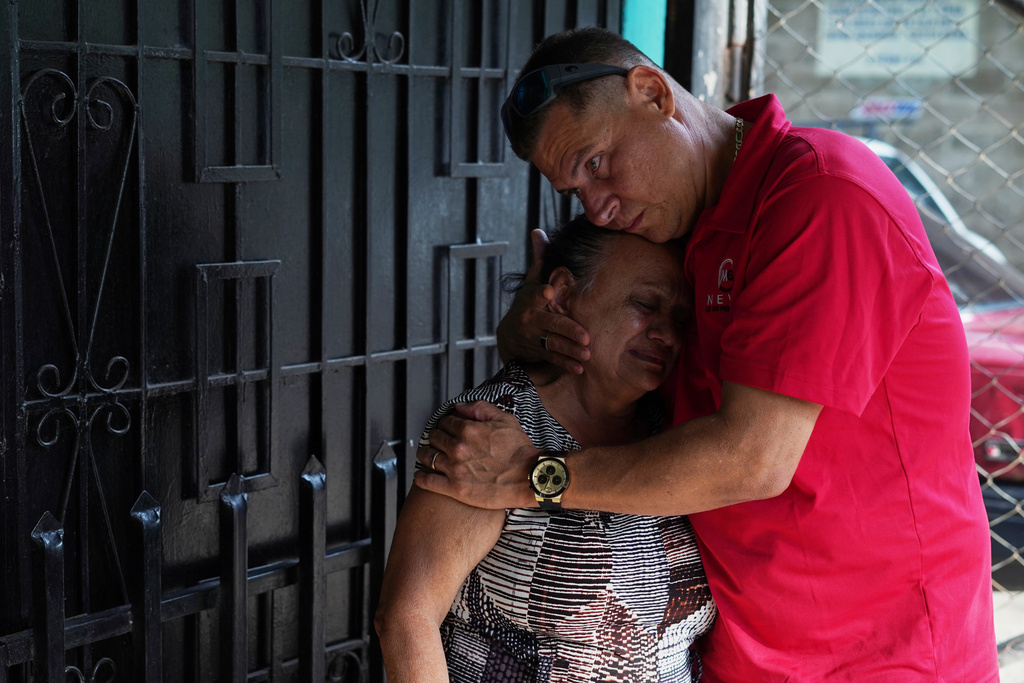
Salvadoran journalist Mario Guevara arrived at a relative’s home in Apopa, El Salvador, after being deported from the United States. His deportation reflects broader issues stemming from a controversial new regulation issued by the Department of Homeland Security on July 17, 2026. This regulation significantly restricts foreign reporters’ ability to work independently in the U.S.
Effective in 60 days, the rule limits journalist visas, known as I-visas, to just eight months. This represents a dramatic shift from the previously unlimited duration that allowed journalists stability and predictability. These new conditions require journalists to reapply every eight months, and lack clear standards for review, putting them in a precarious position.
The rule is part of a series of limitations on press freedoms, including lawsuits against media outlets for unfavorable coverage and restricting press access at government institutions. The regulation was finalized despite receiving nearly 22,000 critical comments urging reconsideration.
An important aspect to note is the potential for the regulation to enable the government to reward journalists it approves of while punishing those it disagrees with. Critics argue this constitutes censorship.
The impact of the regulation is already being felt, as seen with the cases of Mario Guevara and Estefany Maria Rodriguez Florez, journalists who faced repercussions for critical reporting on the U.S. government.
Such actions counter the First Amendment’s guarantee of freedom of speech, applicable to both citizens and noncitizens. Additionally, the regulation could prompt other countries to retaliate against American journalists abroad.
Instances of retaliation have occurred, such as when China slowed visa processing for U.S. journalists or Russia banned numerous American journalists following perceived anti-Russian reporting.
“Maintaining fair and predictable visa procedures for foreign journalists is essential to protecting reciprocal treatment for American media professionals,” said Reporters Without Borders.
Despite considerable opposition and the risks involved, the regulation was finalized without adequately addressing concerns. This signals the U.S. government’s distrust of journalists amid global threats against them, as documented by Reporters Without Borders.
Congress must act decisively by exercise oversight authority and holding hearings. Legislation should be considered to prevent implementation of the rule and to expand protections for journalists.
In 2021, Senators Tim Kaine and Lindsey Graham introduced the International Press Freedom Act aimed at expanding I-visas to protect journalists threatened abroad. While this bill was referred to committee, it stalled afterward.
Both Congress and the public must defend press freedom at a time when it faces worldwide challenges. As Margy O’Herron and Dan Berger emphasize, ensuring journalists can work safely and freely is crucial in preserving the U.S.’s image as a proponent of free press rights.
Leave a Reply