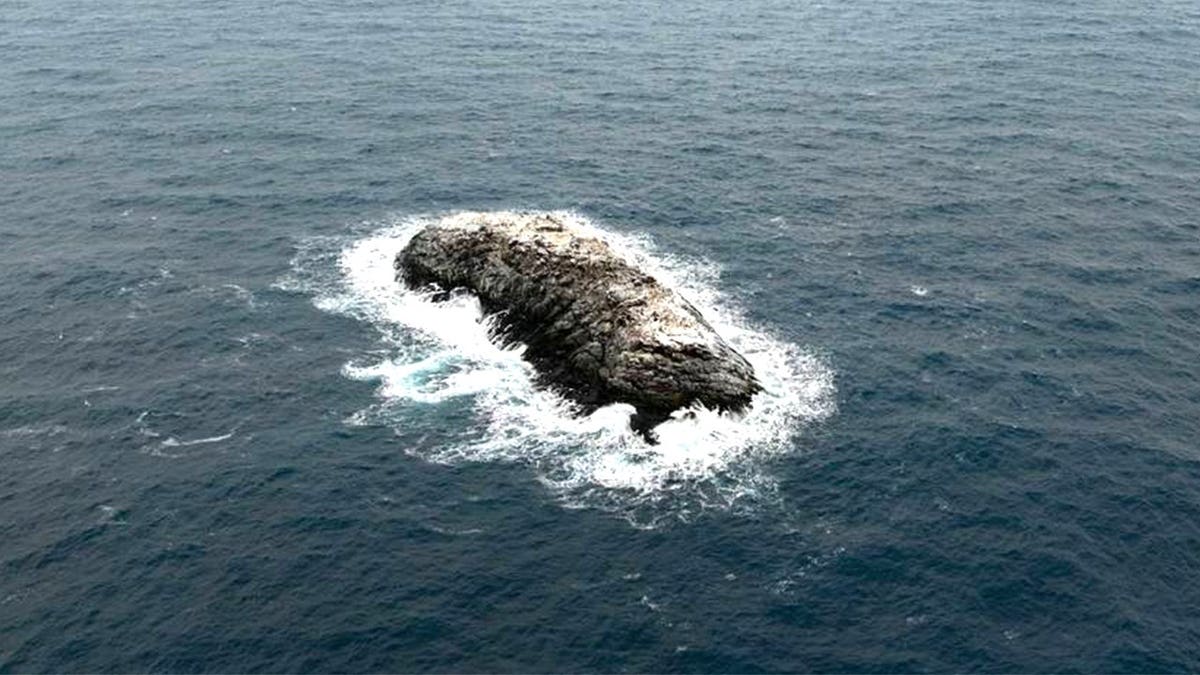
Researchers have recently identified an island previously mislabeled as a “danger zone” in Antarctica. This discovery was detailed in an April press release by the Alfred Wegener Institute (AWI), a German polar research center in Bremerhaven.
The island, located in the northwestern Weddell Sea, was first seen during an AWI expedition aboard the icebreaker vessel, Polarstern. Originally, the team was studying the rapid reduction of sea ice in the area when severe weather conditions forced a pause. They sought refuge on Joinville Island, where they noticed the unknown island.
A significant finding by the polar research team was the confirmation of a small rocky island, mistaken initially for a dirty iceberg. The expedition’s bathymetry data engineer, Simon Dreutter, noted a nautical chart indicated an area with alerting navigation risks, yet without specific details of such dangers.
Dreutter mentioned that upon reviewing the coastline records, he observed what appeared as a dirt-covered iceberg. Upon closer examination, it seemed to be rocky terrain. Utilizing drone imagery and echo-sounding technology, scientists surveyed the island. It rises over 50 feet above the surrounding water, measuring about 426 feet long and 164 feet wide.
This discovery of the island is rare, with officials still uncertain about its prior designation as a danger zone. A research representative proposed that the island’s aerial resemblance to icebergs and uncharted underwater shoals could be a contributing factor.
The Polarstern vessel facilitated the scientists in confirming and mapping the island amid challenging weather. According to the AWI, most areas are derived from low-resolution satellite data, often creating gaps in maps. Many Antarctic regions remain white spots on nautical charts with patchy data coverage.
The new island awaits an official name, requiring submission to the Scientific Committee on Antarctic Research (SCAR). While the exploration era seems advanced, less than a quarter of the Weddell Sea is thoroughly charted, suggesting more discoveries ahead. The AWI spokesperson emphasized that with only a segment of Antarctic waters mapped, opportunities exist to uncover more landforms in these remote regions.
Leave a Reply