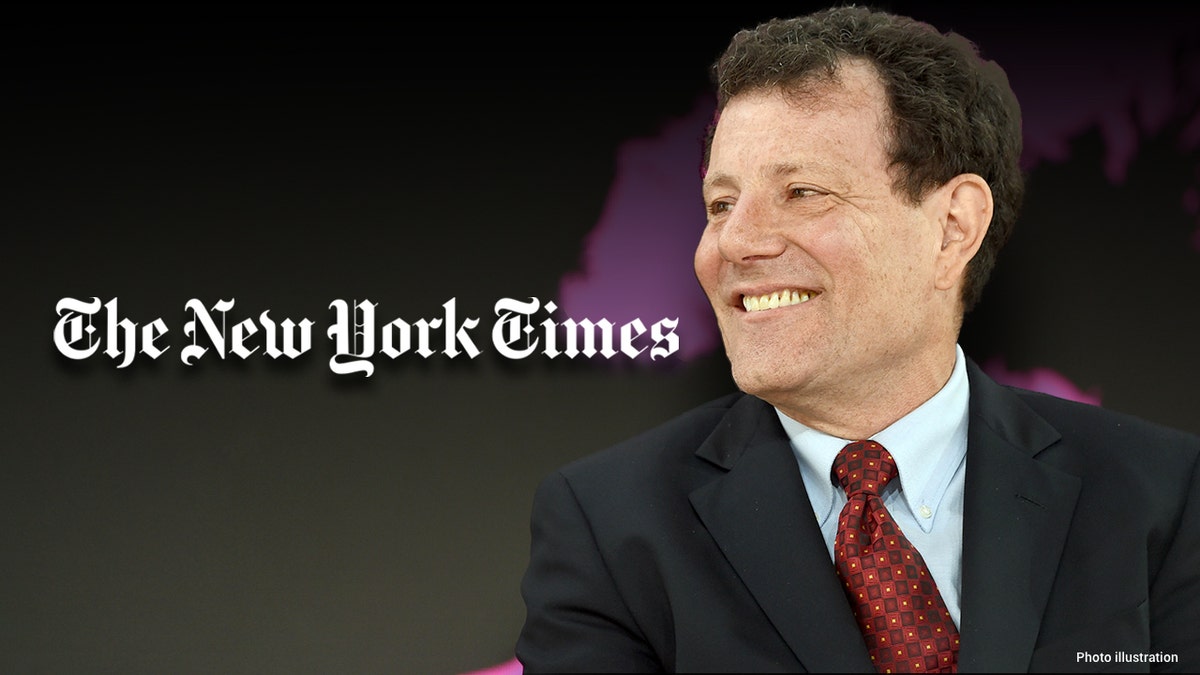
Nicholas Kristof, a columnist for the New York Times, confirmed he has no intention of running for office again. This follows criticism regarding his past gubernatorial campaign and use of campaign funds. Kristof ran as a Democrat for Oregon governor in 2021 but returned to journalism in 2022 after being deemed ineligible due to residency requirements. During his brief campaign, Kristof raised substantial funds, which he later moved to a political action committee (PAC) called Oregon Strong.
Although Kristof departed from the Times in 2021 for his gubernatorial bid, he returned after failing to meet Oregon’s residency mandate. Journalists at the Times cannot engage in political activities, which includes fundraising. The newspaper reviewed Kristof’s work when it became known that some donors to his campaign were subjects of his columns.
A spokesperson for the Times indicated the review process concluded, with editors’ notes now added to nine of Kristof’s columns. The notes clarify any conflicts arising from campaign donations. An ethics expert has validated Kristof’s conduct during the campaign as ethical.
Kristof’s campaign funds, totaling around $1 million, were redirected to Oregon Strong in 2022, a PAC associated with his wife, Sheryl WuDunn. The PAC was intended for job training initiatives in Oregon but remains largely unused. Only a few contributions have been made, including a $100,000 donation to Vision to Learn and a $2,000 donation to A Progressive Voice for Oregon.
The lack of significant activity from Oregon Strong has drawn attention. Critics speculate if Kristof might run for office again, supported by donations from individuals featured in his writings. However, Kristof has distanced himself from the PAC since 2022, stating he was unaware of certain transactions.
The situation raised ethical concerns due to Kristof’s dual role as a columnist and former political aspirant. The New York Times has guidelines preventing journalists from any association with political advocacy, including prohibiting donations to political campaigns.
The controversy surrounding Kristof intensified following a controversial opinion piece about alleged abuses by Israeli authorities. The piece faced criticism, with some critics linking subsequent scrutiny of Kristof to the backlash that followed his article.
Despite facing these issues, Kristof reiterated his decision not to pursue elected office again. Nonetheless, political insiders and critics continue to question the integrity of his actions and their impact on his journalistic work.
Leave a Reply