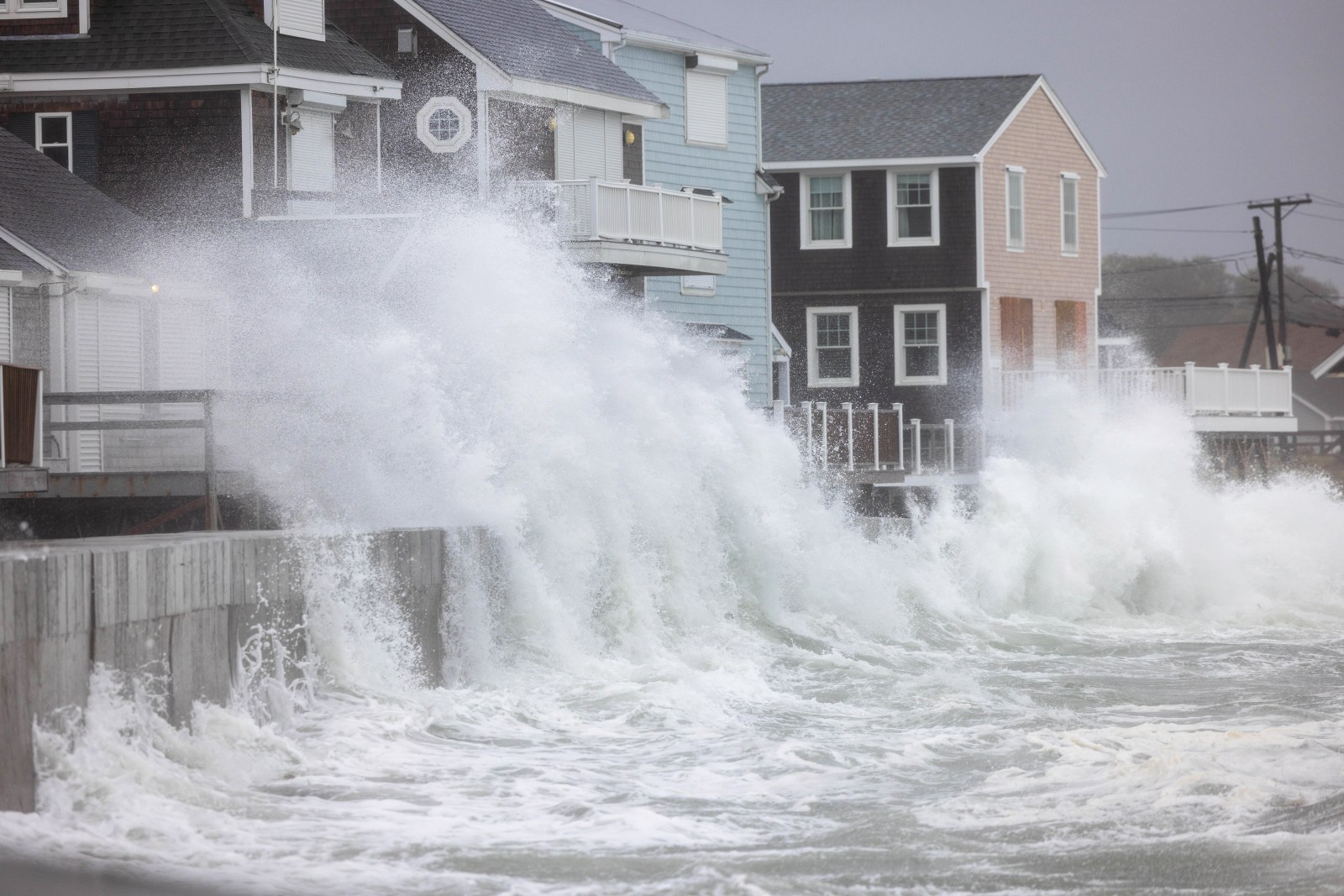
Rising Nor’easter Activity
As a new nor’easter forms in the Atlantic, meteorologists warn of its potential threat to the U.S. East Coast. These coastal storms might pose a greater risk in the upcoming months compared to hurricanes seen this year. The emergence of this storm comes weeks after a previous nor’easter affected the East Coast in late September, bringing strong winds and prolonged rain.
This year’s Atlantic hurricane season has shown below-average activity, largely due to the strengthening El Niño in the Pacific. According to a National Weather Service (NWS) meteorologist, El Niño increases wind shear that disrupts hurricane formation but strengthens conditions favorable for nor’easters in winter.
Potential for More Nor’easters
AccuWeather’s senior meteorologist, Carl Erickson, indicates the possibility of more nor’easters affecting the coast than tropical storms before the hurricane season ends on November 30. The Atlantic hurricane season typically has 14 named storms, with nine recorded this year including one hurricane, Hurricane Isaias, which struck Florida on October 9.
Impact and Warnings
The brewing storm has led to numerous warnings, with the NWS issuing storm and gale advisories. Hatteras Island in North Carolina has declared a state of emergency, urging visitors to evacuate due to expected impassable roads. Erickson noted wind gusts could reach 60 mph along the mid-Atlantic coast, with notable impacts in southeastern Virginia and North Carolina.
As the storm may linger offshore for days, communities could face multiple flooding cycles, especially in areas already impacted by past storms. The National Hurricane Center (NHC) warns of subtropical development as the system could evolve, potentially causing high winds and dangerous surf.
Understanding Nor’easters
According to the NWS, a nor’easter is a storm along North America’s East Coast, often bringing northeastern winds. These storms typically occur from September to April, bringing heavy rain, gale-force winds, and coastal flooding.
Comparison: Nor’easters and Hurricanes
A nor’easter is named for the direction of its winds, unlike hurricanes which are tropical, forming over warm waters with distinct eyes. Hurricanes draw energy from warm seas, while nor’easters draw from atmospheric temperature contrasts. Despite these differences, both storm types cause severe impacts.
Continuing Developments
Meteorologists continue to monitor the nor’easter, expecting it to develop and strengthen. Strong coastal winds from North Carolina to New Jersey are forecasted through Tuesday, with ongoing flooding and erosion concerns. Residents should stay informed on weather updates. Meanwhile, El Niño continues to intensify, likely affecting weather patterns through early 2027.
Leave a Reply