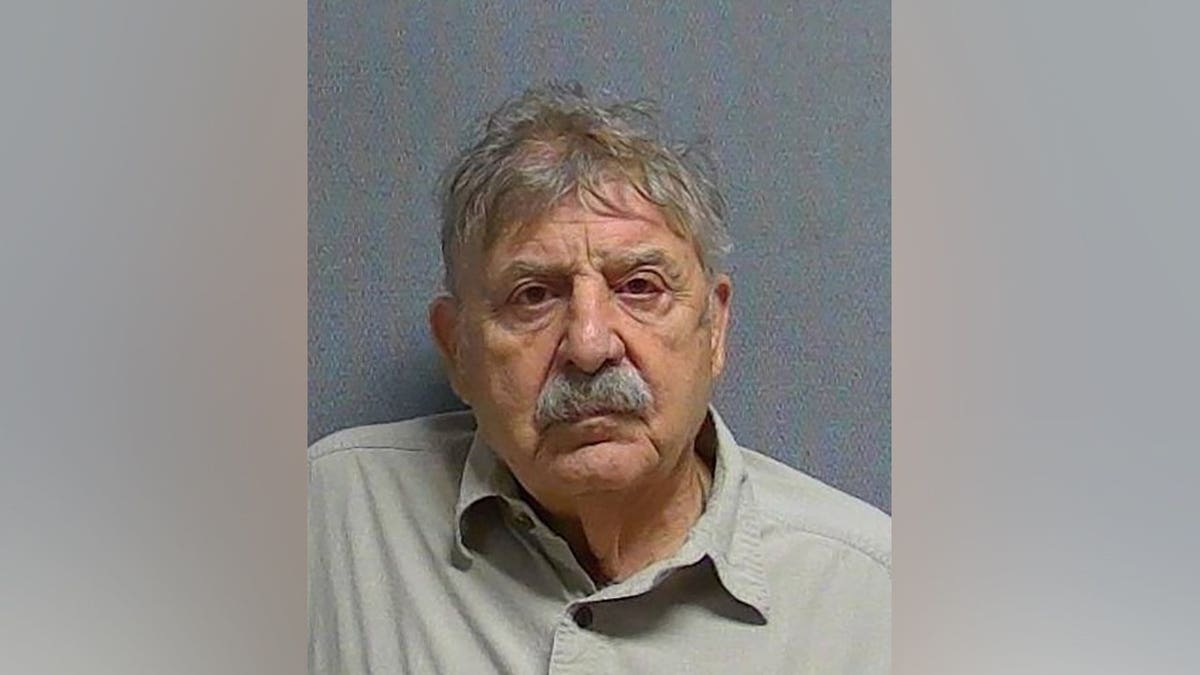
An incident at an Ohio dog park escalated into a shootout following a political argument about President Donald Trump. The confrontation between Emmanuel ‘Mike’ Mathews, 81, and David Mattai, 55, could result in a jury finding both acted in self-defense, or neither did, according to a legal expert.
Mathews faces charges of felonious assault after shooting Mattai on April 21 at Centerville Mills Park in Bainbridge Township. He has pleaded not guilty.
Legal Perspectives
Michael Benza, a law professor at Case Western Reserve University, explained that Ohio law removes the right to claim self-defense if defendants contributed to the confrontation. Since both men allegedly participated in the escalation, their case presents unique legal challenges.
They could both be found at fault, which means neither of them would get self-defense,Benza said.It’s also possible both get self-defense.
Details of the Incident
Mathews’ attorney, Ian Friedman, stated the encounter began as a verbal dispute and turned physical before culminating in gunfire in the parking lot. Mathews reportedly sought to leave the situation and maintain his safety.
The argument started when Mattai disagreed with Mathews’ opinion about Trump. After a verbal altercation, Mattai left and then returned to the park a short time later. At that point, another conflict led to physical violence, with both men allegedly exchanging insults and blows.
Witness Jamie Jedlinsky intervened to diffuse the situation, but tensions remained high. During the confrontation, Mathews placed a .45-caliber gun on his dashboard, and Mattai, while near his vehicle, saw the weapon. Both men then exchanged gunfire, with Mattai firing six shots.
Injuries and Legal Proceedings
Mathews was unharmed, but Mattai suffered a gunshot wound to his lower back, requiring emergency surgeries. Mattai claimed he did not physically touch Mathews after seeing the gun, firing back out of fear for his safety.
Mattai’s attorney, Ryan Fisher, remarked that public opinions have complicated the case, bringing in diverse perspectives that obscure what transpired.
Legal Considerations and Consequences
Benza highlighted that introducing a firearm changes the legal context of a scuffle. The sequence of events is critical in determining self-defense claims. Ohio law allows individuals to stand their ground if they are lawfully present.
Friedman emphasized that Mathews’ actions were driven by concern for personal safety. He argued that the case’s political context should not overshadow the fact that it was not about a political dispute for his client.
Benza noted that Geauga County’s political leanings might influence jury deliberations, potentially complicating the trial.
Trial and Potential Outcomes
Mathews’ trial is set to begin on February 16 in the Geauga County Court of Common Pleas. If convicted, he faces a minimum sentence of five years and up to 15 years in prison. Meanwhile, Mattai’s pretrial hearing is scheduled for October 28. He expressed willingness to plead guilty or no contest, provided it involves no jail time.
Leave a Reply