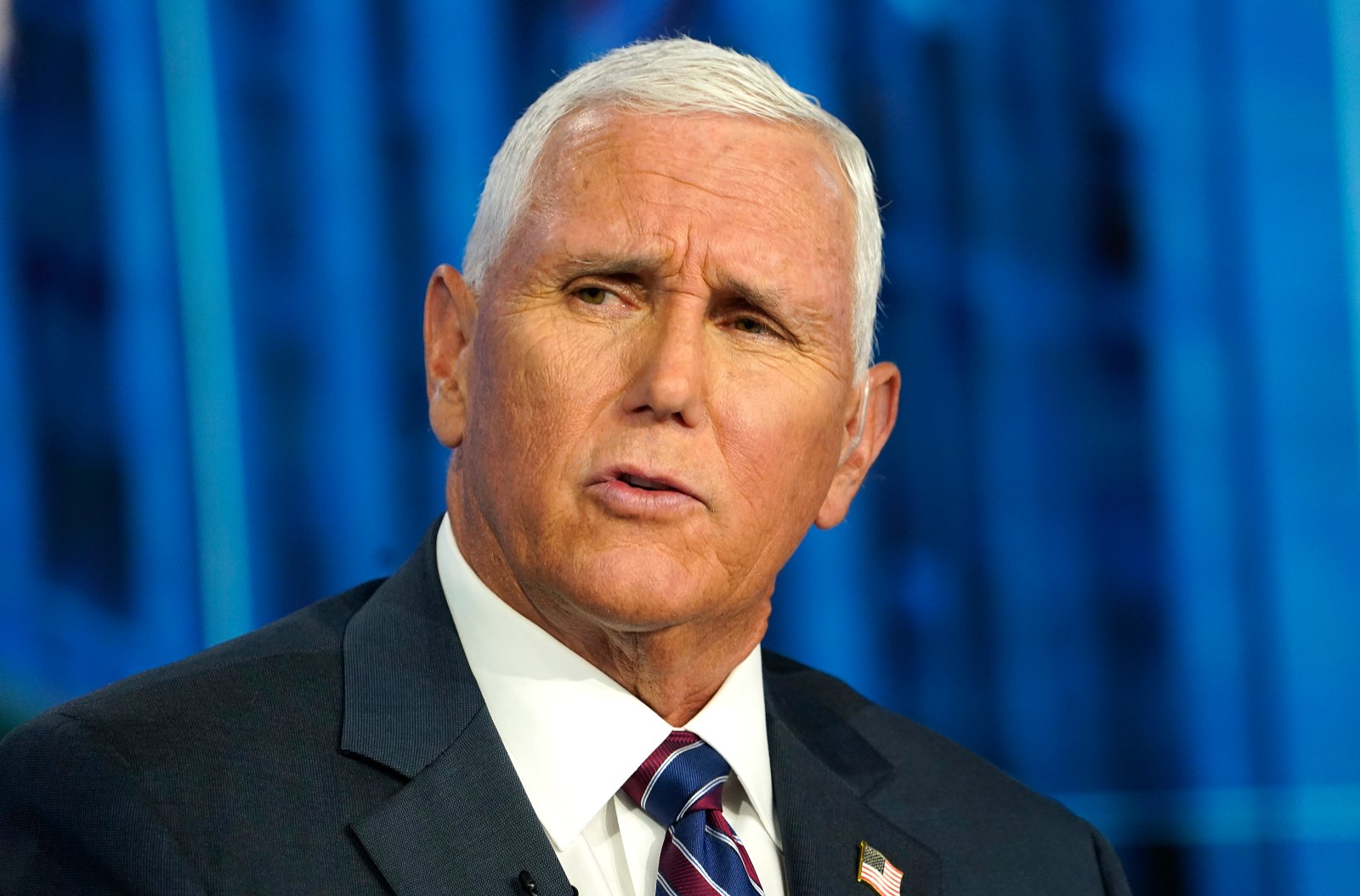
Former Vice President Mike Pence voiced concerns over reported U.S. concessions to Iran, calling them a potential ‘lifeline’ for Tehran. He emphasized that these concessions are more than merely a mistake. Speaking to CNN’s Kaitlan Collins, Pence praised former President Donald Trump’s decision to strike Iranian nuclear facilities, noting it was historically significant in making America safer. He described it as the first instance in decades where a U.S. president had directly challenged Iran’s ruling regime.
Pence expressed apprehension over the details of a memorandum of understanding, suggesting it resembled appeasement. He urged Trump to resist pulling back against Iran. Newsweek sought comment from the White House on Tuesday night.
Key Points
During the interview, Pence supported the Trump administration’s initial pursuit of diplomacy following military action. When asked if the agreement was a mistake, Pence stated it was far more serious than a simple error. He outlined Trump’s decision to strike nuclear sites last year as pivotal since it was the first such action by an American president in nearly half a century, which he believed improved national security.
Pence emphasized keeping pressure on Iran: “The posture we’re observing from the Iranians, in conjunction with rumors of immediate concessions, particularly sanctions waivers, is concerning. Such concessions could revitalise the Iranian regime.”
He advocated for continued pressure and blockade efforts, and if necessary, he suggested military engagement should resume.
Pence’s comments echo broader skepticism among critics of the Iran deal. They fear the agreement could empower the regime without addressing nuclear activity adequately. Pence would advise Trump to revert to the principle of ‘peace through strength’ regarding Iran’s negotiations. He stressed the importance of standing firm, and if Iran didn’t show defeat or willingness to negotiate, military action by the U.S. and allies like Israel might become necessary.
Details of the Reported Deal
According to a draft memorandum of understanding reviewed by Bloomberg News, the U.S. and Iran would immediately cease hostilities and engage in a 60-day negotiation period aiming for a final accord. The draft outlines steps like lifting the naval blockade and granting sanctions waivers for oil exports. It also proposes a regional rehabilitation and development plan valued at approximately $300 billion, though conflicting reports have emerged regarding this fund.
Vice President JD Vance emphasized no U.S. funds should be sent to Iran under any circumstances, regardless of Iranian actions.
The draft memorandum also suggests eventual removal of sanctions from the U.S., U.N. Security Council, and IAEA as part of a final agreement. In return, Iran would pledge to never produce nuclear weapons and address its enriched nuclear material issues during ongoing talks. Bloomberg reports the status quo on Iran’s nuclear program will be maintained during these negotiations.
Trump announced a preliminary agreement with Iran aiming to resolve months of Middle Eastern conflict. In social media posts, he mentioned transport through the Strait of Hormuz was secure, countering allegations of a $300 million payment to Iran.
Rajan Menon, a professor emeritus from the City College of New York, noted Iran’s nuclear renunciation isn’t new, citing a longstanding edict from Iran’s former supreme leader and their renunciation during the 2015 JCPOA. Therefore, portraying the Memorandum as a significant breakthrough is inaccurate.
Trump’s announcement confirmed the begining of the ‘toll free opening’ of the Strait of Hormuz and the lifting of the naval blockade.
Leave a Reply