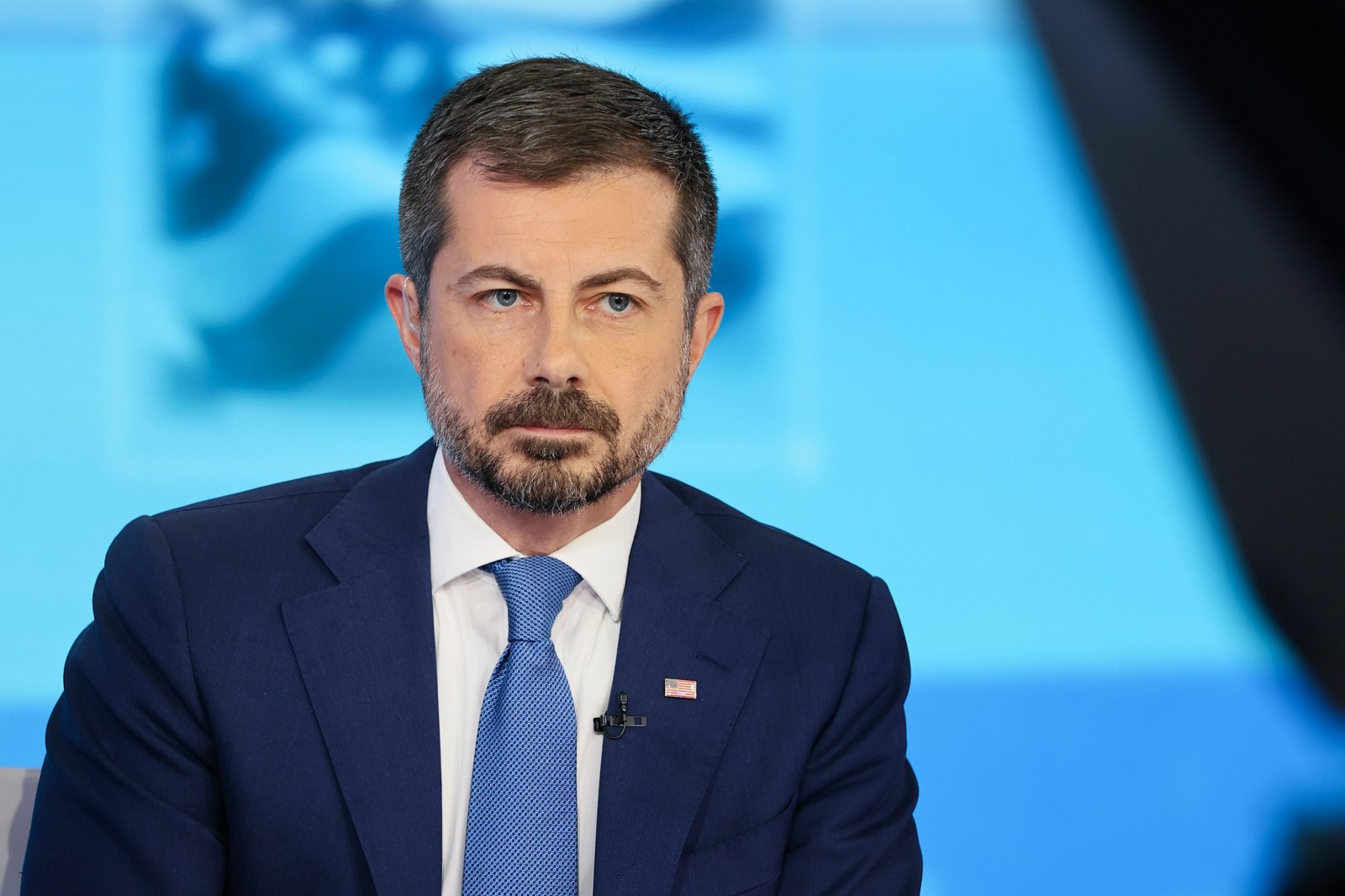
Pete Buttigieg revealed on ‘The Diary of a CEO’ podcast with Steven Bartlett that he is more inclined than not to make a presidential bid in 2028. Previously, Buttigieg had been less forthcoming about his future political plans. The former transportation secretary, who had a fifth-place finish in the 2020 Democratic primary, mentioned that fatherhood influences his decision-making process. Buttigieg and his husband, Chasten, adopted twins in 2021. He remarked, “That’s changed all of my equations. It’s just something that you really sit with and take seriously, which you should.” Although he stopped short of a full commitment, indicators suggest Buttigieg would enter the 2028 field as a strong contender.
Polling Performance
Buttigieg has placed at or near the top in virtually all major 2028 Democratic primary surveys this year, indicating strong support. In early July, a poll by the Manhattan Institute ranked him third with 13%, trailing Kamala Harris at 19% and Gavin Newsom at 15%. Later, an Emerson College poll showed Buttigieg leading at 19%, with Newsom at 17% and both Alexandria Ocasio-Cortez and Jon Ossoff at 13%. Harris lagged at 8%.
A July survey from the Public Sentiment Institute measured Buttigieg’s support in Michigan at 24.2%, well ahead of Ossoff. Harris’s support in this poll was only 5.1%, a notable decline from her previous national figures. In New Hampshire, a poll by the University’s Survey Center showed Buttigieg leading with 20%, and he also had a high favorability rating of 72%.
Not all polls align with this trend. For instance, a UC Berkeley Citrin Center-Politico survey in California placed Newsom in the lead, with Buttigieg at just 11%. Earlier, a Manhattan Institute survey showed Harris and Newsom ahead nationally, with Buttigieg at 8%.
Prediction Markets’ Perspectives
While polling data shows Buttigieg rising, prediction markets have not fully adjusted. As of early August, Polymarket identified Newsom as the favorite, with Buttigieg’s odds lower. Kalshi’s market mirrored this, favoring Newsom and Ossoff over Buttigieg.
Outsider vs. Establishment Dynamics
Buttigieg’s position in the primary reflects ongoing tensions within the party. Figures like Ocasio-Cortez, allied with Bernie Sanders, are part of a leftward shift. Some strategists see this as an anti-establishment movement. Buttigieg attempts to bridge these divides, endorsing diverse Democratic figures while maintaining his small-town political narrative.
Opinions on Buttigieg vary. Some see him as a potential candidate who can avoid the pitfalls of being too closely tied to Washington. Others, like ‘Ettingermentum’, question his impact amid the party’s ideological shift, particularly pointing to gaps among Black voters.
Lessons from 2020
Buttigieg’s early potential for 2028 mirrors his 2020 campaign. As a 37-year-old mayor, he had no national political experience yet gained significant traction. Despite his early withdrawal, his strong showing fostered a dedicated following.
The memories of his 2020 run influence current perceptions. In New Hampshire, voters’ focus on Buttigieg reflects their earlier support. His frequent appearances on networks like Fox News showcase his strategy to engage broader audiences. Strategist Steve Schale highlights Buttigieg’s effectiveness in both critiquing the Trump administration and offering an aspirational Democratic vision.
Leave a Reply