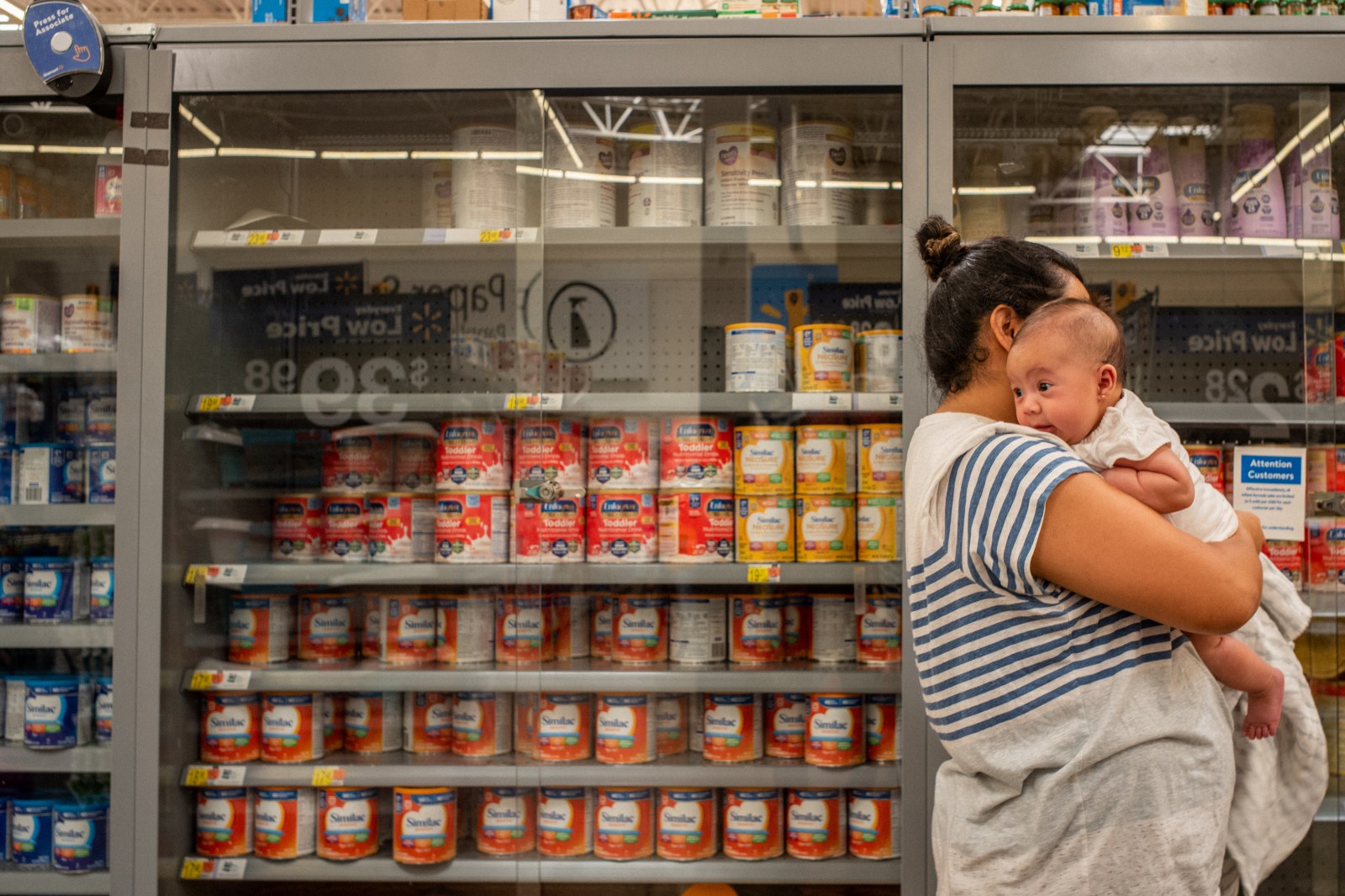
Republican lawmakers urge Health and Human Services Secretary Robert F. Kennedy Jr. to reinforce federal oversight of infant formula. They argue that parents require stronger protections against heavy metals and contaminants found in products consumed by millions of babies. It’s reported that a majority of infants will use formula within their first year, either alone or alongside breast milk.
A recent FDA study affirmed the safety of the U.S. formula supply. However, lawmakers and consumer advocates call for official limits and increased transparency, asserting that parents need stronger assurances about these products. This push includes two new congressional bills requiring federal regulators to establish contaminant standards for infant formula and to research the health effects of toxic metals, such as arsenic, lead, cadmium, and mercury.
An HHS spokesperson stated, “Under Secretary Kennedy and President Trump’s leadership, the FDA has conducted the most comprehensive U.S. review of contaminants in infant formula to date, expanding testing and surveillance, reducing contaminant levels, and enhancing transparency for parents.” The spokesperson emphasized the critical role of formula in early nutrition and the importance of protecting children.
Legislative Proposals for Safer Infant Formula
On July 20, Florida Representative Brian Mast introduced the FORMULA Act of 2026. This bill would amend the Federal Food, Drug, and Cosmetic Act to set maximum permissible contaminant levels in infant formulas. Under this act, Kennedy would establish regulations based on factors like:
- Cumulative health impacts of low-level contaminant exposure on infant neurodevelopment
- Prevalence of the contaminant in agricultural soil and manufacturing water sources
- Bioaccumulative nature of the contaminant in the human body
Mast’s bill requires a realistic approach based on current technologies and costs. “This bill establishes enforceable limits on unwanted contaminants, ensuring accountability,” Mast stated.
The act also mandates manufacturers to test infant formula and maintain records for two years after expiration. Kennedy would receive an annual report listing manufacturers violating standards, contaminant concentrations detected, and progress on achieving goals.
The bill highlights contaminants like polyfluoroalkyl substances, microplastics, phthalates, synthetic pesticides, and biological toxins. Cosponsored by Republican Representative Buddy Carter of Georgia, the bill awaits a House Committee vote.
Carter emphasized, “Parents deserve certainty that they are giving their child a safe meal. This bill is a step towards improving safety standards.”
Additional Legislative Discussions on Formula Safety
The House Committee has another bill pending a vote. On July 27, Representative Tom Barrett of Michigan introduced the Safe Baby Formula Act of 2026. It requires HHS to study the effects of arsenic, cadmium, lead, and mercury in infant formula. The study must conclude within a year of enactment.
Barrett stressed, “Parents shouldn’t worry about food safety for their kids, especially families with newborns or military families. Reforms are necessary for transparency and healthy options.”
Arsenic Concerns in Baby Formula
Consumer advocates highlight the lack of U.S. enforceable limits for contaminants in infant formula. Internationally, countries, including the EU, Canada, and Australia, have set standards. The issue resurfaced after Consumer Reports testing revealed varying contaminant levels in formulas.
The report highlighted arsenic’s dual nature as naturally occurring and carcinogenic, contaminating groundwater from the Earth’s crust. Inorganic arsenic, highly toxic, was found in popular formulas like EleCare Hypoallergenic and Similac Alimentum. Similac’s parent company, Abbott, claimed compliance with European standards.
Though the FDA does not set arsenic limits in formulas, the EPA limits it in drinking water to 10 parts per billion (PPB). In April, the FDA announced results from its largest inspection, confirming safety in most U.S. formula products.
Kennedy commented, “Most products meet high safety standards, but even small exposures matter for newborns. We will enforce accountability and provide parents with transparent data.”
Although arsenic appeared in most samples, its levels remained low. The FDA noted small contaminant amounts in formula due to their natural occurrence.
Evaluating Baby Formula Options
The FDA ensures U.S. formula products uphold high safety standards. Most samples tested indicated low contaminant levels. Consumer Reports noted some formulas had different contaminant levels, suggesting some were superior choices. One-third of liquid formulas and over half of powdered formulas ranked highly for minimal contaminant presence.
Noteworthy products included Enfamil, Similac, Bobbie, and Earth’s Best. Several store-brand formulas excelled as cost-effective and high-performing options.
- Enfamil Infant Formula (concentrated)
- Enfamil NeuroPro (ready-to-feed)
- HiPP Organic Whole Milk (ready-to-feed)
- Kendamil First Infant Milk (ready-to-feed)
- Similac 360 Total Care (ready-to-feed)
- Similac Advance (concentrated)
- Similac Pure Bliss Organic (ready-to-feed)
Pediatricians recommend selecting formulas based on nutritional needs and consulting healthcare providers before changes. Availability and infant tolerance remain key factors in formula choices.
Considerations for Water Used in Baby Formula
Preparation matters when using baby formula. Contaminant presence in water prompts some public health experts to advise understanding local water quality. Contaminant exposure can originate from water used in formula preparation. Ready-to-feed formulas don’t require water mixing.
Distilled or purified water, recommended by manufacturers like Bobbie, removes contaminants. Boiling tap water and cooling it can eliminate bacteria and parasites. Parents should follow manufacturer instructions and consult pediatricians regarding water quality and feeding.
Contaminants in water remain a debated topic, yet lawmakers prioritizing formula standards argue for federal action. The FDA’s findings offer reassurance, but some Republicans push for stricter regulations and transparency. Kennedy’s response will shape the national conversation on formula safety.
Leave a Reply