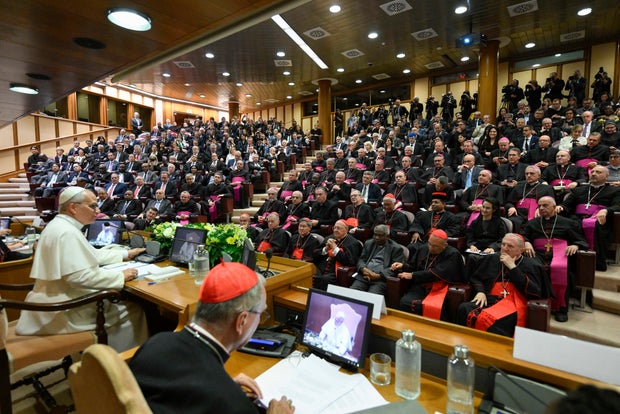
Pope Leo XIV has issued a significant document focusing on the implications that the rise of artificial intelligence (AI) has for humanity. He warns that this technology could render civilization ‘less human.’ This message, delivered in his encyclical ‘Magnifica Humanitas,’ addresses vital issues concerning the integration and impact of AI on society.
Pope Leo XIV, known for his outspoken views on global conflicts, criticized the justification of wars under the guise of ‘just war’ theory, urging a reconsideration of such beliefs in modern times. He stressed the importance of understanding AI as not merely an economic challenge, but an ‘anthropological’ one—an issue affecting the fundamental aspects of humanity.
The encyclical is not specifically about AI. It’s about the human condition during the time of AI.
The Vatican document does not see AI technology as inherently negative. Rather, it highlights the potential dangers that AI poses to social structures, economic stability, and ethical principles. It calls for careful consideration and management of AI technology to prevent social fragmentation and deepening inequality.
Pope Leo XIV emphasizes the need to remain profoundly human amid technological advancements. He advocates for the ‘disarming’ of AI to prevent a race for geopolitical or commercial dominance driven by more powerful algorithms and larger datasets.
The encyclical also stresses the integration of AI into military weapon systems as a pressing concern. The Vatican expresses apprehension about the use of AI-assisted technologies observed in military exercises, such as those conducted by U.S. forces in Morocco.
Christopher Olah, co-founder of AI company Anthropic, joined the Vatican officials during the unveiling of the encyclical, emphasizing the need for broader dialogues involving varied perspectives to navigate AI’s impact effectively.
Lounging upon the prospect of AI transforming humanity akin to the Industrial Revolution’s impact on labor, Pope Leo XIV advocates for thoughtful engagement that recognizes both technological promises and challenges.
Cardinal Michael Czerny clarified that while the Vatican engages in dialogue with AI companies, it does not imply endorsement. The Vatican stresses the need for a focused understanding of AI’s risks that go beyond mere technological aspects into spiritual concerns, suggesting that AI might become an idol substituted for God.
The encyclical calls for humans to engage deeply with these questions to discern the trajectory that AI might chart for the future of humanity.
Leave a Reply