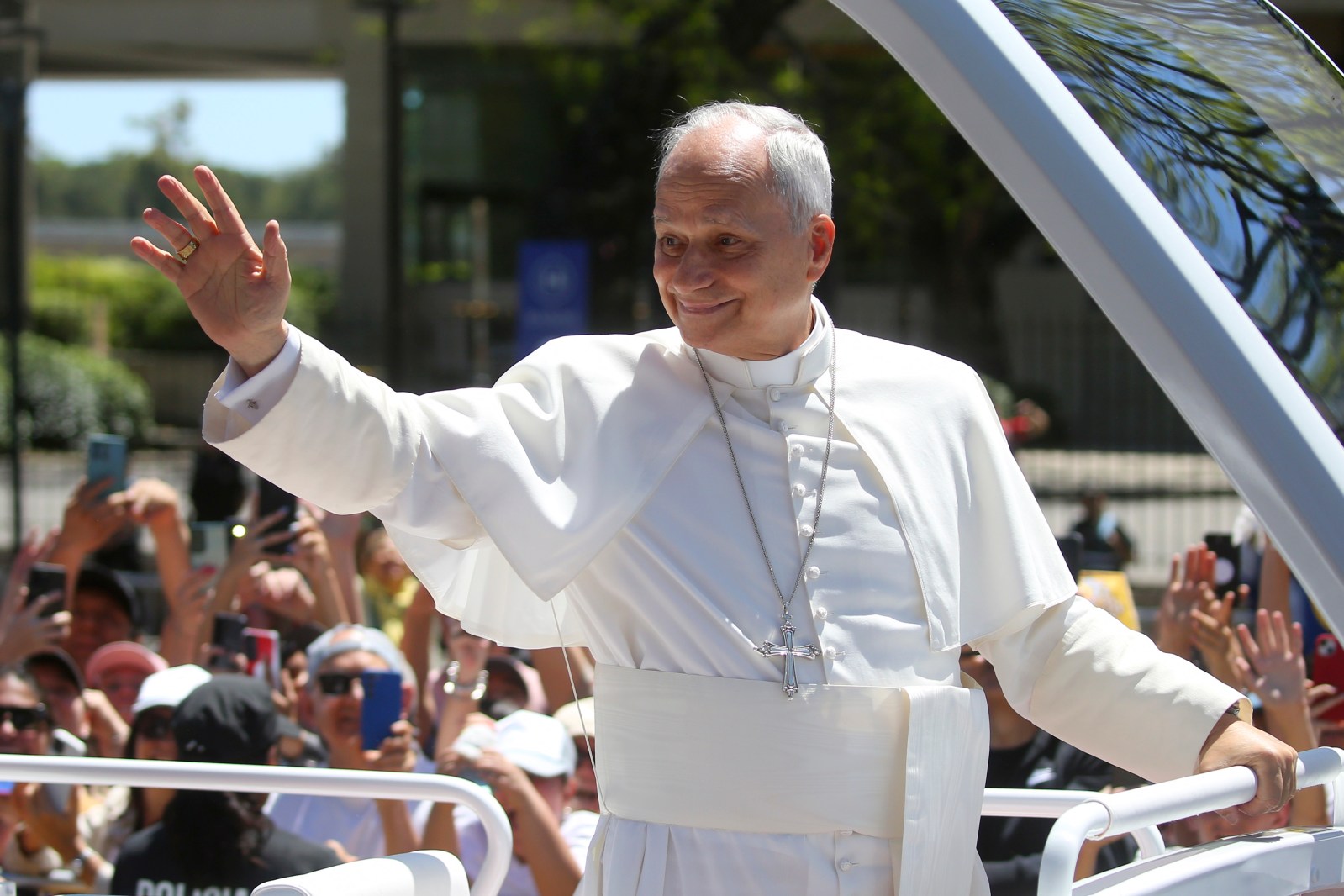
Over one year into his papacy, Pope Leo XIV is encountering a significant challenge faced by modern pontiffs. This challenge demonstrates the Catholic Church’s commitment to addressing abuse within its ranks. During a general audience, Pope Leo emphasized the importance of preventing and countering abuse, describing it as essential to evangelical conversion. He stressed the need to listen to victims, call out wrongdoing, and pursue truth and justice.
On a recent trip to South America, Pope Leo met with clerical abuse survivors in Peru. He highlighted the importance of confronting ‘spiritual abuse,’ which he stated is under study at the Vatican. No immediate document has been released, but the issue’s canonical handling is a recognized concern.
Clerical abuse remains a pressing issue for the church. Decades of investigations have exposed widespread allegations, along with accusations that church leaders failed to effectively address misconduct allegations from thousands of priests worldwide. This issue has plagued the Church for years, and efforts to bring accountability have been met with challenges related to transparency.
Pope Leo’s Approach to Combating Abuse
Pope Leo has made listening to abuse survivors a priority during his leadership. Speaking to the Pontifical Commission for the Protection of Minors, he stated that prevention involves more than protocols; it requires a culture of care that integrates the protection of minors as a natural expression of faith. In March, he approved new statutes to aid the commission in developing reporting systems and listening centers.
Many church bodies have established structures for reporting and responding to abuse, according to Kevin Ahern, a religious studies professor. However, the focus must shift to addressing the wider culture of power that allows abuse. Pope Leo’s comments on spiritual abuse indicate his serious approach to these intertwined issues, aiming for transparency and dialogue.
Response to Institutional Challenges
Robert Orsi, a history professor, discussed the Church’s instinct to protect its prestige while maintaining moral authority. He noted Pope Leo’s empathy for abuse victims, acknowledging the church’s institutional power constraints. Lawyers have strongly influenced how abuse allegations are handled, often prioritizing legal safety over acknowledging victims’ suffering.
Pope Leo’s Past Under Scrutiny
Pope Leo has faced scrutiny from the Survivors Network of those Abused by Priests (SNAP) over his handling of abuse allegations during his time as bishop. SNAP criticized his record, highlighting complaints about his management of allegations in Chicago and Peru. Allegations from three women about childhood sexual abuse were cited, with complaints over the church’s inadequate response.
While some actions have been criticized, others reflect a ‘learning curve.’ For example, Pope Leo, during his time in Chiclayo, Peru, addressed allegations related to the Sodalitium Christianae Vitae organization. He shared details with Pope Francis, contributing to its suppression before Francis’s death.
American Influence on Pope Leo’s Methods
Pope Leo’s American background shapes his approach to handling abuse. His methods align with aspects of his predecessors’ strategies but reflect a more open acknowledgment of broader issues. His experience in Peru and the U.S. provides him with insight into cultural differences in addressing abuse cases.
Professors note that while progress has occurred since 2002, challenges persist in implementing measures evenly across the church. Addressing abuse is expected to remain a priority for Pope Leo, with calls for specific protections and greater accountability for church leaders who failed to handle abuse properly.
The sexual-abuse crisis within the church is not resolved. It requires ongoing vigilance and strategies to manage the inherent risks within religious institutions.
Leave a Reply