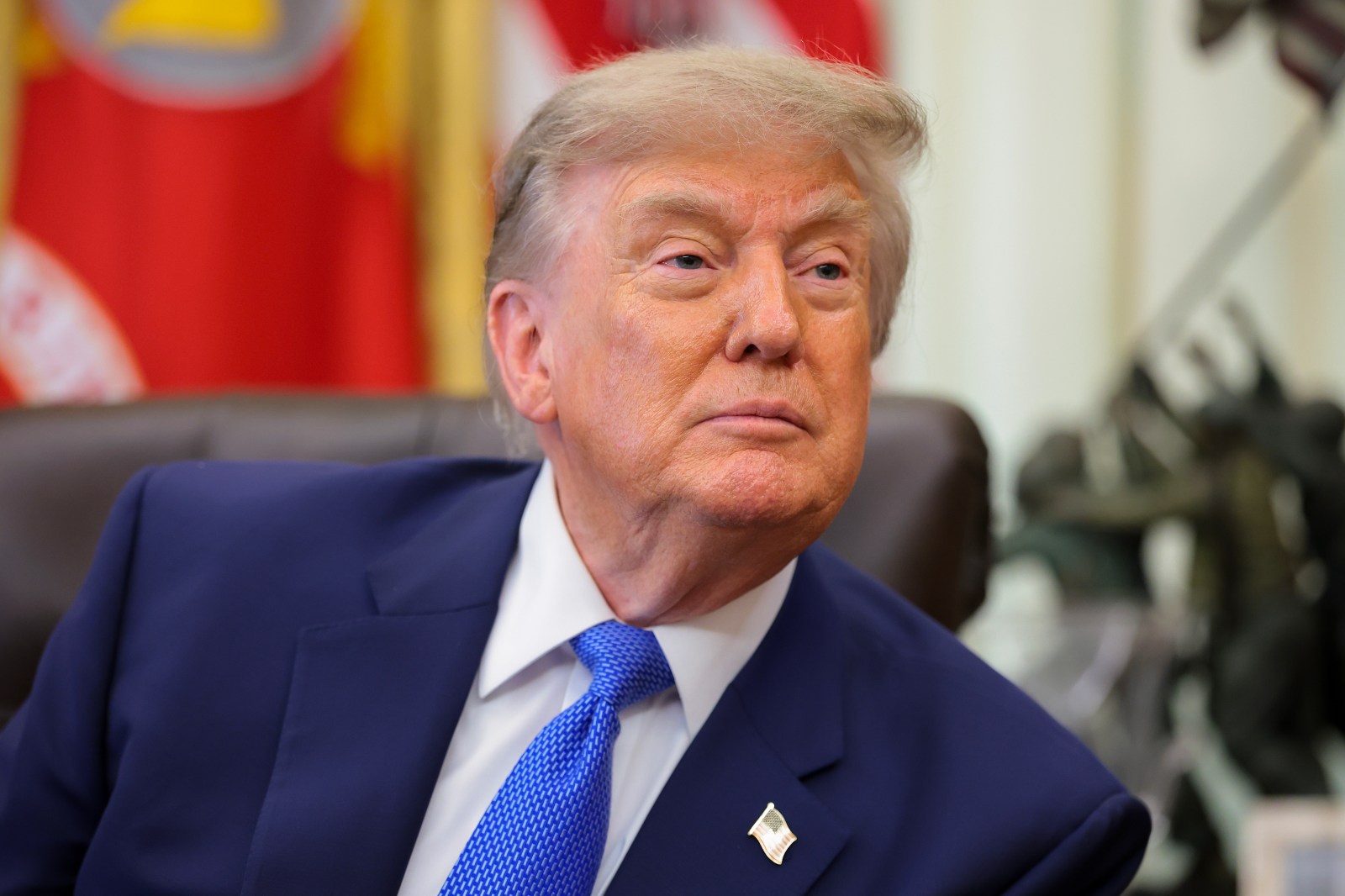
President Donald Trump is rumored to be considering changes to the capital gains tax. These adjustments aim to boost certain Americans’ earnings and potentially improve his party’s chances in upcoming elections. According to Fox Business host Larry Kudlow, who discussed the matter with Kevin Hassett of the National Economic Council (NEC), two main proposals involve indexing capital gains to inflation and increasing exemptions for home sales.
Capital Gains Adjustments Under Consideration
Kudlow noted that Trump expressed interest in these ideas. Indexing capital gains to inflation would adjust the original purchase price of an asset for inflation before computing the taxable gain. For instance, if an investor made a $100,000 gain on an asset during a period with 10 percent inflation, only $90,000 would be taxed under the proposed change. This contrasts with current rules, which tax the entire gain. Supporters argue that current asset price increases often reflect “phantom gains” due to inflation, not actual value growth.
Hassett emphasized that Trump and the Republican Party aim to look forward with new proposals, rather than focusing solely on past achievements. The proposed changes, however, would require legislative approval.
Who Benefits?
The potential changes could benefit asset-holding Americans, particularly those with significant stock investments or high-value properties. However, younger Americans, renters, or homeowners whose properties already qualify for existing exemptions might not gain from these adjustments. Len Burman of the Tax Policy Center pointed out that benefits would likely favor the wealthiest due to current U.S. asset distribution. Federal Reserve data shows that while over 60 percent of Americans own stocks, the top 10 percent hold 93 percent of stock market wealth.
Current exemptions on primary residence sales cover up to $250,000 for single filers and $500,000 for married couples filing jointly. Burman explained that this already exempts most homes from tax, with only those selling for over $1.25 million being affected. Realtor.com identifies this as the “luxury threshold,” under which 90 percent of homes fall.
Burman criticized the proposals as “terrible policy and politics.” He argued that with high housing costs, voters might oppose policies increasing demand for expensive homes, which could drive up land prices. These proposals could appear “politically tone-deaf” amid household affordability struggles affecting parts of Trump’s base.
Leave a Reply