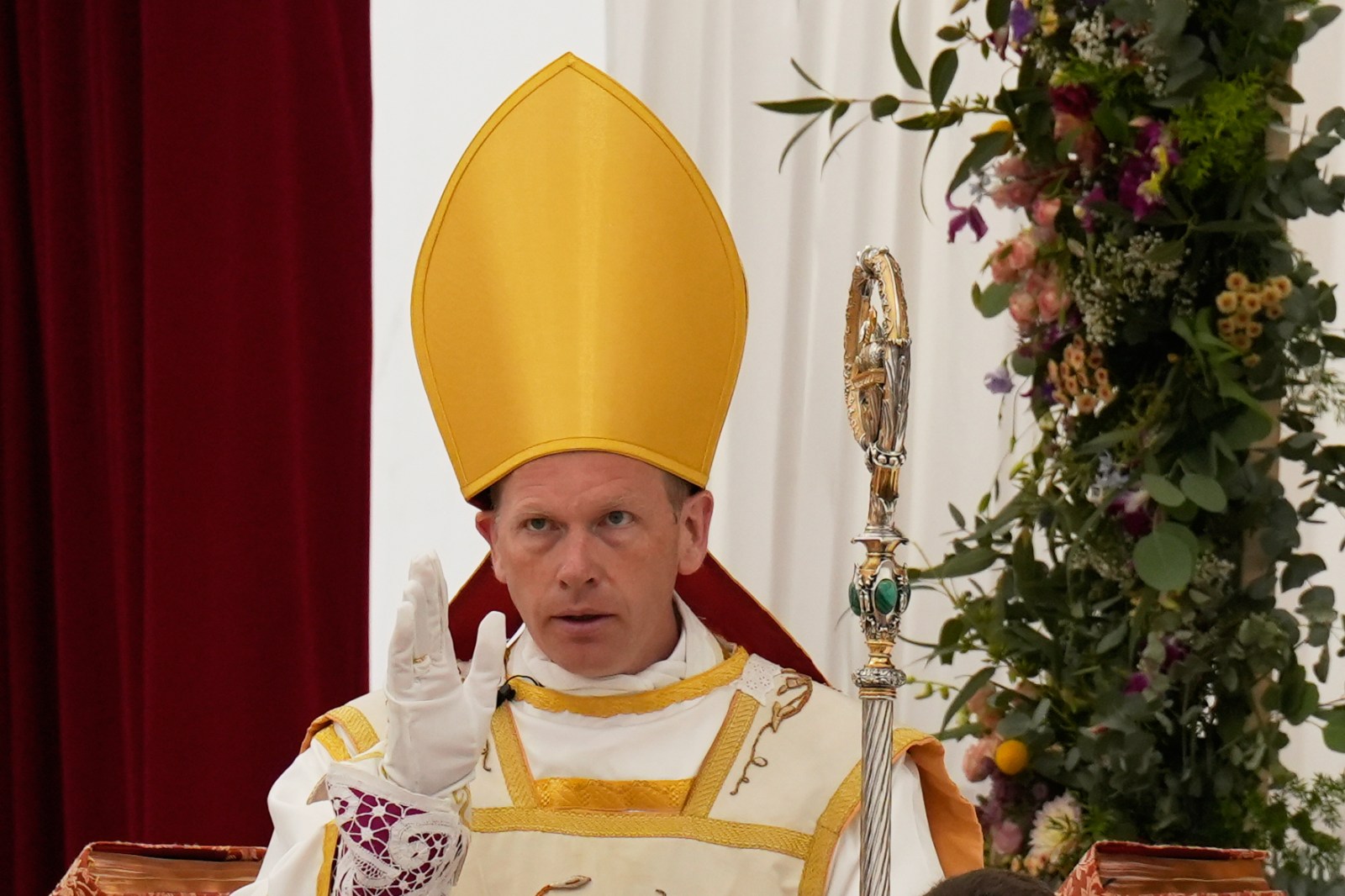
A priest from the Society of St. Pius X (SSPX) suggested that a future pope might restore the group to full communion with the Roman Catholic Church. The statement followed the Vatican’s recent declaration of the sect’s excommunication. During a Mass in Wil, Switzerland, Reverend Georg Kopf referred to a past reconciliation under Pope Benedict XVI as a possible blueprint for restoration.
“There will one day be another pope who opens the door and welcomes us back. Just like Pope Benedict,” Kopf remarked according to Reuters.
The Vatican excommunicated SSPX after the unauthorized ordination of four bishops without Pope Leo XIV’s approval. Church authorities deemed this a significant breach of papal authority. The move came despite previous warnings and offers for dialogue, citing the ordinations as a grave violation under canon law.
This schism highlights enduring tensions between Rome and traditionalist Catholics who resist changes from the Second Vatican Council in the 1960s. The SSPX has a widespread presence in Europe and North America, making it a major conflict within the global church. In the United States, the excommunication affects approximately 30,000 SSPX members, including 124 priests in 115 chapels based on 2024 internal data.
Newsweek sought comments from the Vatican and SSPX following the developments.
Background on SSPX
Founded in 1970 by French Archbishop Marcel Lefebvre, the Society of St. Pius X aimed to uphold what they saw as authentic Catholic doctrine. The group is headquartered in Switzerland and is known for its strict adherence to pre-reform Catholic practices. It also opposes modern initiatives, including ecumenical dialogue with non-Catholic faiths. Despite criticism, SSPX claims loyalty to the papacy.
The present conflict mirrors a significant split from 1988 when Lefebvre consecrated bishops without Pope John Paul II’s approval, leading to excommunications. These were lifted by Pope Benedict XVI in 2009 to mend the division. Reverend Kopf mentioned this precedent during his Sunday sermon.
Reasons for Excommunication
The conflict escalated during a recent ceremony at SSPX’s seminary in Écône, Switzerland. Catholic canon law mandates that only the pope can authorize bishop consecrations to maintain Church unity. Bishop Alfonso de Galarreta was the consecrating bishop, with Bishop Bernard Fellay as co-consecrator. Both bishops were excommunicated in 1988, although sanctions were later lifted by Benedict XVI.
During this event, several new bishops were sworn in, marking a significant act of defiance. The Vatican subsequently ruled that SSPX had entered formal schism. The excommunication extends to involved bishops, SSPX priests, and followers adhering to the group. SSPX disputes claims of intentions to secede from Rome. Reverend Kopf stated the ordinations were to ensure spiritual care for traditionalist Catholics, not to establish a separate church.
The Vatican’s Stance
The Vatican has shown no signs of leniency. Officials attempted to communicate with SSPX before the ordinations but were ignored. Cardinal Pietro Parolin, the Vatican secretary of state, expressed regret over the SSPX’s actions, emphasizing the importance of Church unity.
“I wish to express deep sorrow … because, when speaking of the unity of the Church, an act of this kind deeply wounds that unity,” Parolin remarked, as reported by Crux Now.
He stated that unauthorized ordinations create division and result in specific sanctions.
The ongoing repercussions represent a significant challenge for Pope Leo’s papacy. The central question remains whether this split will become permanent or be reversed, analogous to the 1988 resolution.
Leave a Reply