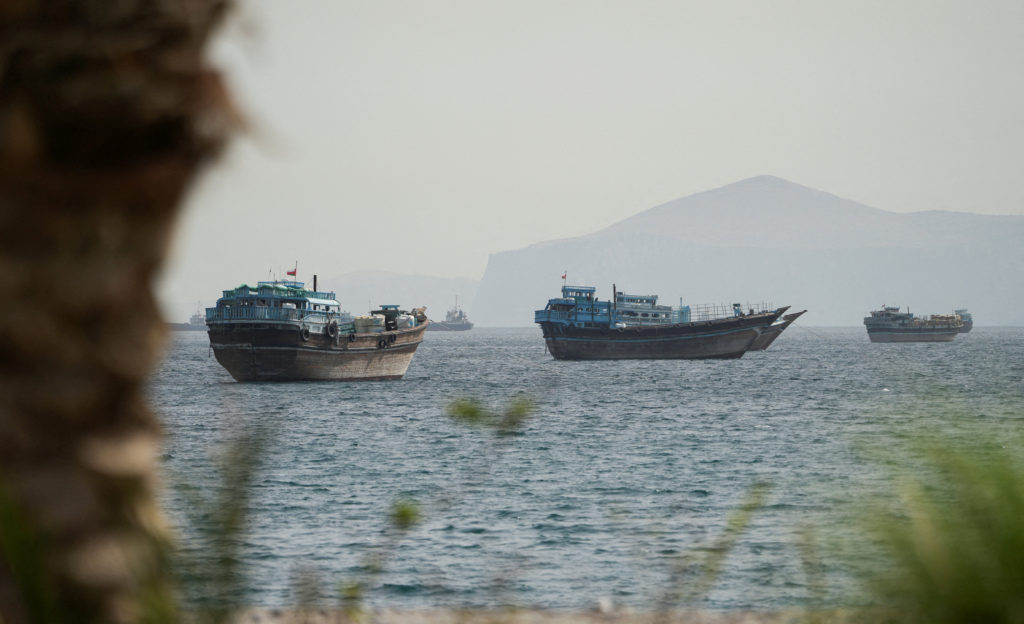
The United States and Iran may soon finalize a deal to end the ongoing conflict and reopen the Strait of Hormuz. President Donald Trump commented that negotiations are “proceeding nicely,” while warning of resumed fighting if no agreement is reached. Although the timeline remains uncertain, Trump has engaged allies in the Middle East in discussions, including Israel.
An Iranian delegation, led by parliament speaker Mohammad Bagher Qalibaf, visited Qatar as part of these negotiations, following previous talks with U.S. Vice President JD Vance in Pakistan.
The War Potentially Ending
In recent months, the U.S. and Israel initiated a war targeting Iran, resulting in significant leadership losses in Tehran, including Ayatollah Ali Khamenei. Any potential deal emphasizes ending hostilities across the region, including in Lebanon where Hezbollah has clashed with Israel. Since April 7, a ceasefire has been in place.
The end of the war aims to reduce regional tensions, allowing peaceful passage of global shipping through the Strait of Hormuz, a vital channel for roughly 20% of the world’s oil. The cessation of conflict could accelerate the rebuilding of critical infrastructures, such as energy platforms.
The draft agreement reportedly includes a commitment to refrain from interfering in internal affairs across the region and addresses Iran’s support of groups such as Hezbollah, Houthi rebels, and Hamas.
Gradual Reopening of the Strait
The U.S. initially aimed to dismantle Iran’s nuclear and missile programs while ending its support for armed proxies. The blockade of Iran’s ports imposed by the U.S. has restricted Iran’s oil distribution, crucial to its economy. The potential agreement involves gradually reopening the strait by lifting this blockade.
This move would permit Iran to sell oil under certain sanctions waivers. Negotiations within a 60-day timeframe would also address sanctions relief and the release of frozen Iranian assets.
Iran’s Nuclear Stockpile
Tensions revolving around Iran’s nuclear program have heightened with the U.S. and Israel considering military interventions. Under the deal, Iran would relinquish its stockpile of highly enriched uranium. Further talks would determine the means of its disposal, with Russia expressing willingness to handle it.
The International Atomic Energy Agency reported that Iran possesses over 440 kilograms of uranium enriched to nearly 60% purity, close to weapons-grade. Iran maintains that its nuclear ambitions are peaceful.
Unresolved Aspects
Despite signs of progress, questions about Iran’s right to enrich uranium and the status of its missile program persist. While regime change was once a U.S. goal, recent negotiations seem to exclude this issue. Lastly, discussions on U.S. military presence in the region or reparations for war damages remain absent from the deal.
Leave a Reply