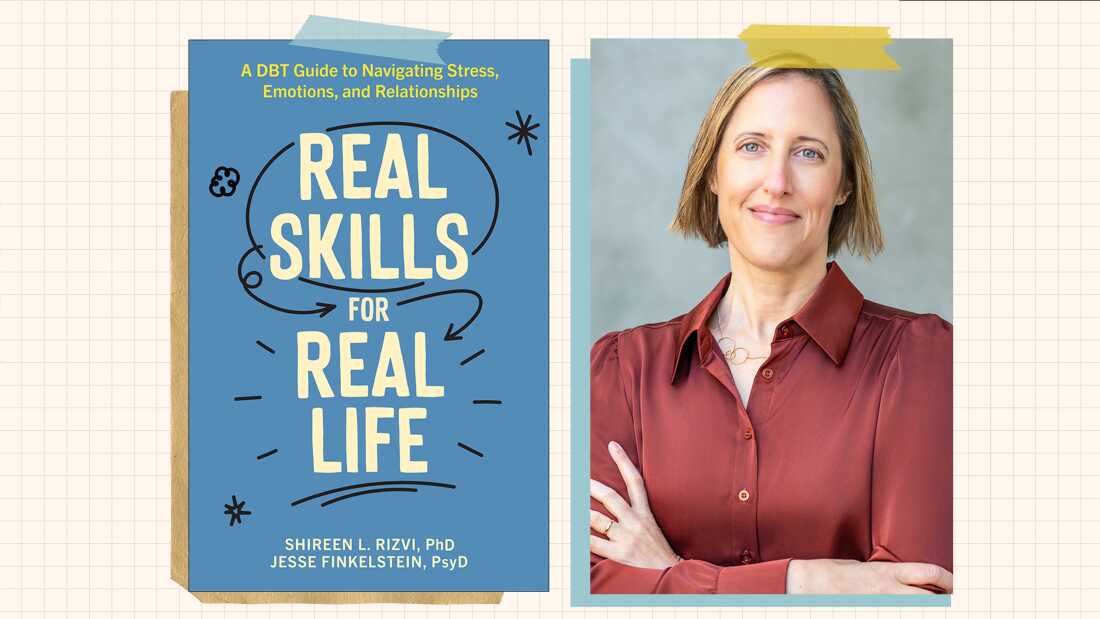
Shireen Rizvi is a professor of psychiatry and behavioral sciences and contributed to the book Real Skills for Real Life: A DBT Guide to Navigating Stress, Emotions, and Relationships.
Consider the last time you felt distress. How did you manage? Did you react impulsively? Consume alcohol? Deny the situation? There are healthier methods to address such emotions.
“Those behaviors emerge from not knowing how to endure what seems unbearable,” states Shireen Rizvi, a psychiatry professor at Montefiore Medical Center. “In those instances, we must learn to accept the distress and respond more effectively.”
Rizvi details these methods in her book Real Skills for Real Life: A DBT Guide to Navigating Stress, Emotions, and Relationships, co-authored with Jesse Finkelstein, a clinical psychologist. They use engaging diagrams and illustrations to teach skills founded on dialectical behavior therapy (DBT). This therapy assists individuals in managing challenging emotions through structured techniques.
One example includes a decision tree for applying DBT skills to resolve conflicts and a mindfulness practice infographic. Created by psychologist Marsha Linehan in the 1980s for borderline personality disorder, DBT has since helped many with various issues.
TIP: Techniques for High Distress Situations
Rizvi, a certified DBT therapist, introduces techniques from her book called TIP. The acronym stands for temperature, intense exercise, paced breathing, and paired muscle relaxation. Use these skills when distress inhibits clear thinking.
Examples include arguments with loved ones or major life events like illness. TIP reduces emotional intensity from extreme to moderate, enabling clearer thinking and further self-help.
T: Lower Your Temperature
How to do it: Fill a large bowl with cold water and ice. Breathe deeply, then submerge your face, eyes, and temples into the water while holding your breath for as long as feasible.
Why it works: This engages the mammalian dive reflex found in many mammals, which slows heart and respiratory rates to enhance survival—a reaction also beneficial during distress.
Note: Avoid if you have a heart condition or take beta blockers due to potential heart rate reduction risks.
I: Engage in Intense Exercise
How to do it: Perform activities that quickly increase your heart rate, such as running stairs or doing jumping jacks for 30 seconds or more.
Why it works: By accelerating physical activity levels, you eventually calm down as your heart rate decreases and endorphins provide relaxation.
P: Practice Paced Breathing
How to do it: Lengthen your exhale compared to your inhale. Breathe in for four counts, then out for six.
Why it works: Distress often causes hyperventilation. Paced breathing reduces heart rate and helps lower emotional intensity.
P: Use Paired Muscle Relaxation
How to do it: Methodically tighten and release various muscle groups. Inhale while tensing. Exhale while unclenching, and focus on a relaxation word like “relax” or “calm.”
Why it works: Tensing followed by relaxation yields a deeper sense of calm compared to uninstructed relaxation attempts.
Recognizing Temporary Intensity
Misunderstandings about distress often involve believing it needs immediate eradication to avoid permanence. However, Rizvi emphasizes that all emotions, regardless of intensity, will eventually diminish.
“One key lesson is recognizing that no matter how overwhelming your feelings are now, they will fade,” affirms Rizvi.
Leave a Reply