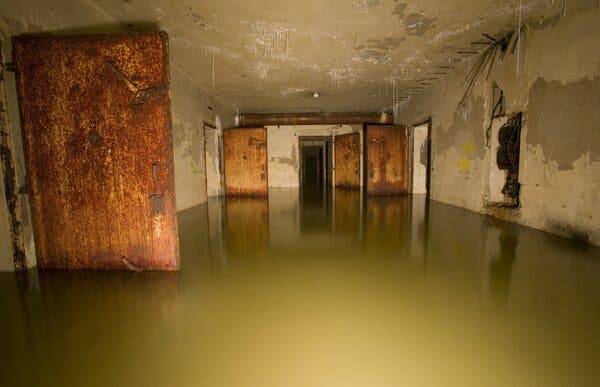
The tension between preserving historical sites and modern development is evident in Germany. A recent decision to develop the site of the New Reich Chancellery’s bunker in Berlin highlights this clash.
In 1939, Adolf Hitler inaugurated the New Reich Chancellery in Berlin, referring to it as the “first structure of the new Great Germany.” During its dedication, he addressed the 8,000 workers involved in constructing this 1,300-foot-long, three-story building, emphasizing that they built a monument meant to last centuries.
Six years later, as World War II concluded, Berlin was occupied by Allied forces. The Chancellery was in ruins, and Hitler had committed suicide in a nearby bunker. Today, only portions of the bunker remain, used by other Nazi regime leaders. This site is now under threat of demolition as a Hamburg developer has received approval to construct new apartments and offices there.
Preservation experts argue that this development decision reflects Germany’s ongoing struggle between preserving important historical monuments and progressing with urban development. This debate gains urgency as fewer people remain who witnessed the Nazi era firsthand, raising the stakes for safeguarding historical sites.
While the surrounding area of the former Reich Chancellery has informational signs detailing its history, the bunker itself lacks official historical significance designation. The property’s current condition is unremarkable, existing as an undeveloped piece of valuable city center real estate.
Leave a Reply