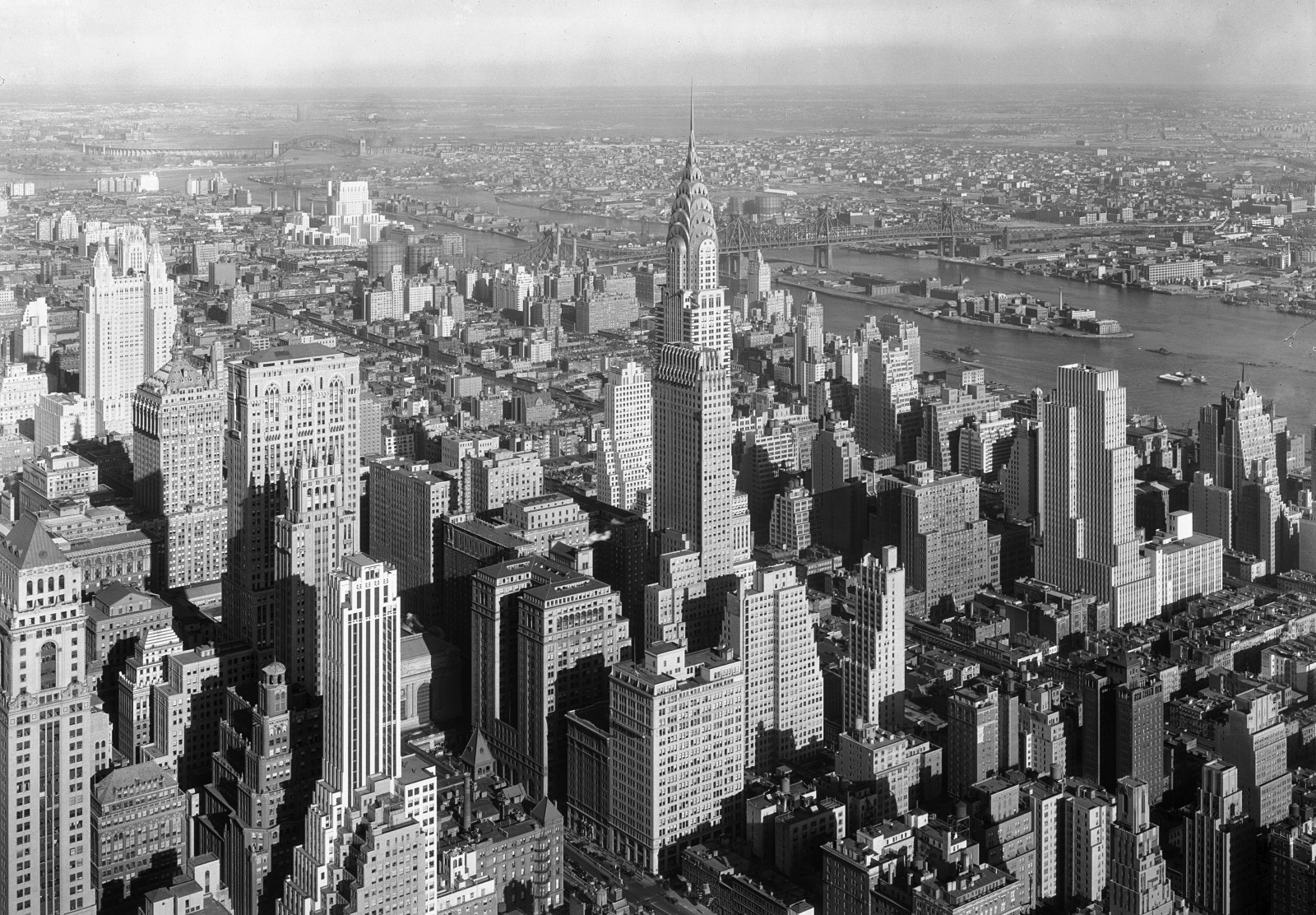
As the United States marks its 250th anniversary, some architects are raising concerns about the loss of historic character due to a focus on demolition rather than preservation. These architects point out that replacing older buildings with new developments has already removed landmarks that once mirrored local identity and culture. They urge a stronger commitment to adaptive reuse to safeguard the nation’s architectural heritage.
Gordon Gill, the architect of the Jeddah Tower, which is set to become the world’s tallest building, advocates for preservation. Gill emphasized the need to pay more attention to existing structures. He stated, “It’s the existing building stock you have to keep your eye on…refreshing that stock and keeping them relevant, part of the sustainability legacy.”
A Debate Rooted in American History
The American debate over preserving old buildings versus clearing them for new development began long before the modern preservation movement. Historian Whitney Martinko traced discussions on historic preservation in the early U.S. to between the 1780s and 1850s. At that time, Americans debated whether historic structures should remain part of the new nation’s landscape or yield to private profit and real estate development.
An example from the 19th century highlighted by Smithsonian magazine is the demolition of John Hancock’s house in Boston for new residences, while Mount Vernon was preserved by advocates. More recently, there has been renewed interest in restoring older buildings. Projects like New York City’s Flatiron Building, now converted into private residences, reflect a broader embrace of adaptive reuse.
Leeswann Bolden, a licensed architect and solutions engineer at Graphisoft, noted that financial considerations often lead to a demolition-first approach. She explained that this mindset dates back to the Industrial Revolution when rapidly growing populations required quick and cheap construction, leading to a lack of focus on longevity and preservation.
Even today, Bolden noted, many developers find rebuilding more economical than retrofitting, as evolving requirements—like accessibility and HVAC systems—can make new construction financially simpler.
Miles Smith, another licensed architect and senior industry manager at Graphisoft, traced the roots of this mentality further back. Smith said America’s development emphasized speed, a trait born from the urgent need to grow quickly. Stick-frame construction sped up development, fostering a culture of disposable buildings.
Smith added that the modern construction economy hinges on constant demand for new developments. He warned that altering this mindset could disrupt existing stakeholders.
Losing the Nation’s Story
Bolden highlighted the risk of losing America’s story with a demolition-centered approach. She said, “The most important concern with a ‘tear it down’ mentality is that we lose much of our nation’s historic narrative.” Bolden pointed out that many community landmarks, like churches and downtown districts, have disappeared in the quest for newer alternatives.
Smith echoed these concerns, warning that some developers are sidestepping preservation protections established in the past century. If this trend persists, communities might lose places that foster social connections and cultural identity, replaced by “lifeless architecture built to maximize profits instead of celebrating our history and culture.”
Preserving Cultural Identity for Another 250 Years
Despite such worries, Smith acknowledged that recent decades have seen meaningful progress in preserving historic structures. He contrasted the U.S. with parts of Europe, where buildings have been adapted over centuries and may be living their third, fourth, or even fifth life.
Bolden also highlighted European cities that maintain centuries-old stadiums, contrasting it with the American approach. “This says a lot about the values we, as Americans, prioritize versus our European counterparts,” she remarked.
Smith emphasized that preserving historic structures is about protecting cultural identity. He described America’s built environment as a reflection of influences brought by immigrants and settlers. He stated there isn’t a distinct ‘America’ style of architecture because immigrants replicated their native styles, crafting a “patchwork quilt” of architectural styles reflecting the nation’s identity.
Smith argued for a more intentional embrace of adaptive reuse to ensure American architecture’s survival over the next 250 years. He cautioned that prioritizing short-term financial returns over preservation could lead to more historic buildings being replaced by arenas and shopping centers. “By committing to adaptive reuse for the sake of preservation,” Smith said, “the country’s architecture will be able to tell a continuous story over time of ‘what it was and what it became.’”
Leave a Reply