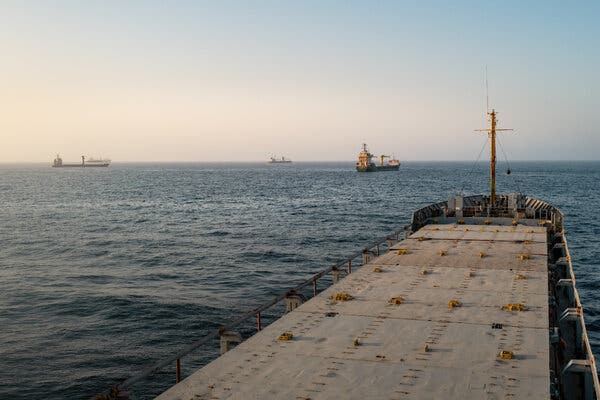
A research group in London has proposed a coalition of nations to manage the Strait of Hormuz, drawing inspiration from a historical European agreement on coal and steel. This comes amidst intensifying conflict between the United States and Iran, centered around control of the strait, a critical passage for the global oil supply.
Recent events have highlighted the strategic importance of the Strait of Hormuz, which is responsible for a significant portion of the world’s oil transport. Despite assurances from President Trump that the area remains accessible, there has been a noticeable drop in shipping traffic due to Iranian attacks on commercial ships.
Diplomatic avenues seem exhausted, with ongoing hostilities between U.S. and Iranian forces. Experts warn that military attempts to secure the narrow passage during conflict may prove catastrophic.
A London-based research group has suggested a potential diplomatic resolution. They propose a model based on a historical, now-defunct treaty that governed coal and steel production in Europe post-World War II. Under this model, Gulf countries would cooperatively manage the strait as shared territory, imposing only a small maintenance fee on oil tankers. This approach aims to satisfy international legal standards, meet Tehran’s control demands, and involve all eight Gulf-bordering states in sustaining regional peace.
Esfandyar Batmanghelidj, founder and CEO of the Bourse & Bazaar Foundation, emphasized the importance of basic cooperation as a foundational step towards more significant diplomatic progress. “If these countries can’t manage simple, nominal maritime tasks collectively, achieving broader regional peace will be challenging,” he stated.
Leave a Reply