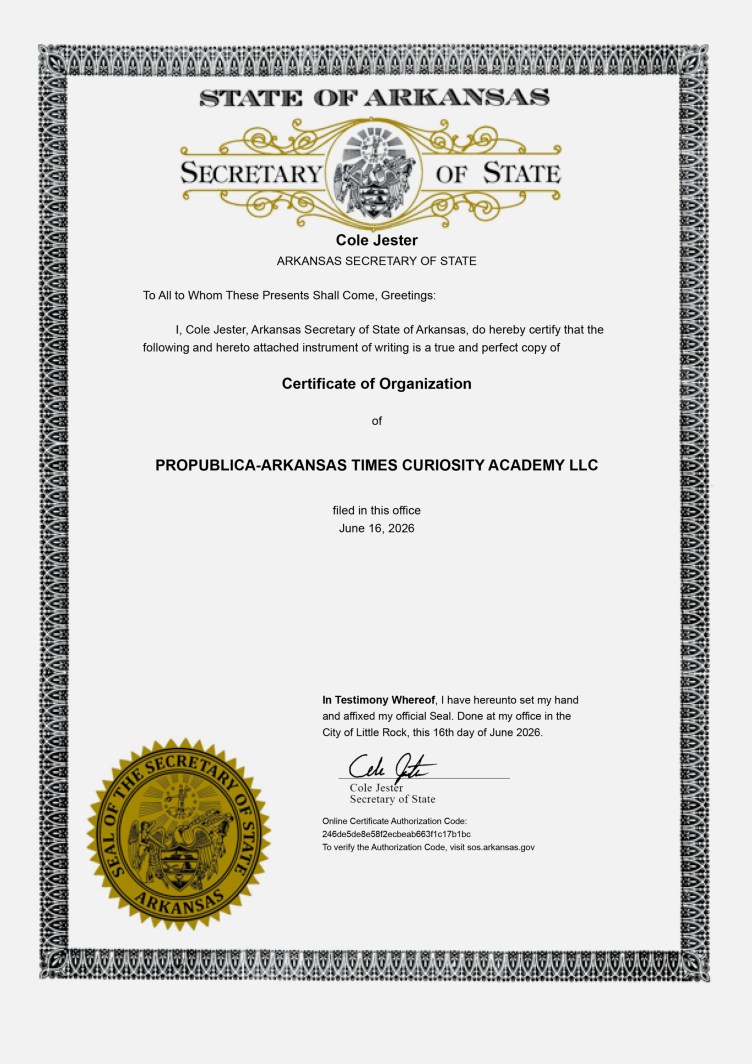
ProPublica journalists considered an experiment: how easy is it to establish a private school? They were curious about the limited regulations surrounding these institutions as private schools rapidly expand across the nation. Unlike educators, they lacked formal training, sparking an investigation into state policies on school ownership and funding.
Motivation and Background
Various cases inspired this project. In 2015, comedian John Oliver set up a tax-exempt church to demonstrate loopholes in tax regulations. Additionally, the Mirage Tavern investigation from the 1970s, run by undercover reporters, exposed city corruption and influenced the team’s approach. However, ethical concerns motivated clear ground rules. Transparency in applications and strict legality were vital. They did not plan to enroll students and ensured full transparency about their role as journalists.
Experiment Set-Up
Teams were formed in Arkansas, West Virginia, and North Carolina, utilizing partnerships with local newsrooms. Each team worked within state requirements to launch schools, aiming for transparency by using newsroom addresses in applications. These were named “Curiosity Academies,” symbolizing the journalists’ inquiry-driven approach.
Steps Taken in Arkansas
In Arkansas, the process involved submitting a form and paying $45, resulting in official recognition as a private school business. Attempts to access public funds through voucher programs stalled when accreditation requirements appeared too burdensome. However, applying as a microschool proved easier and was accomplished in minutes. Despite the potential approval, they decided not to collect public funds.
Developments in West Virginia
Creating a microschool in West Virginia involved handwritten applications submitted to the education department. A college transcript was enough to meet educational prerequisites. Notably, the state does not oversee microschools, posing potential regulatory gaps.
Challenges in North Carolina
North Carolina’s process was complicated by requirements for fire and sanitation inspections. Using a brewery’s address helped with initial applications, but state-specific inspections created a barrier. Ethical concerns over taxing public resources led to abandoning the project in this state.
Conclusion and Reflection
Though the experiment resulted in ProPublica journalists becoming temporary school administrators, the schools will close to avoid public confusion. They retain mementos like ProPublicaAcademy.com and personalized pencils. They invite readers to explore their potential to open private schools via a quiz, engaging the audience in their findings.
Leave a Reply