Introduction
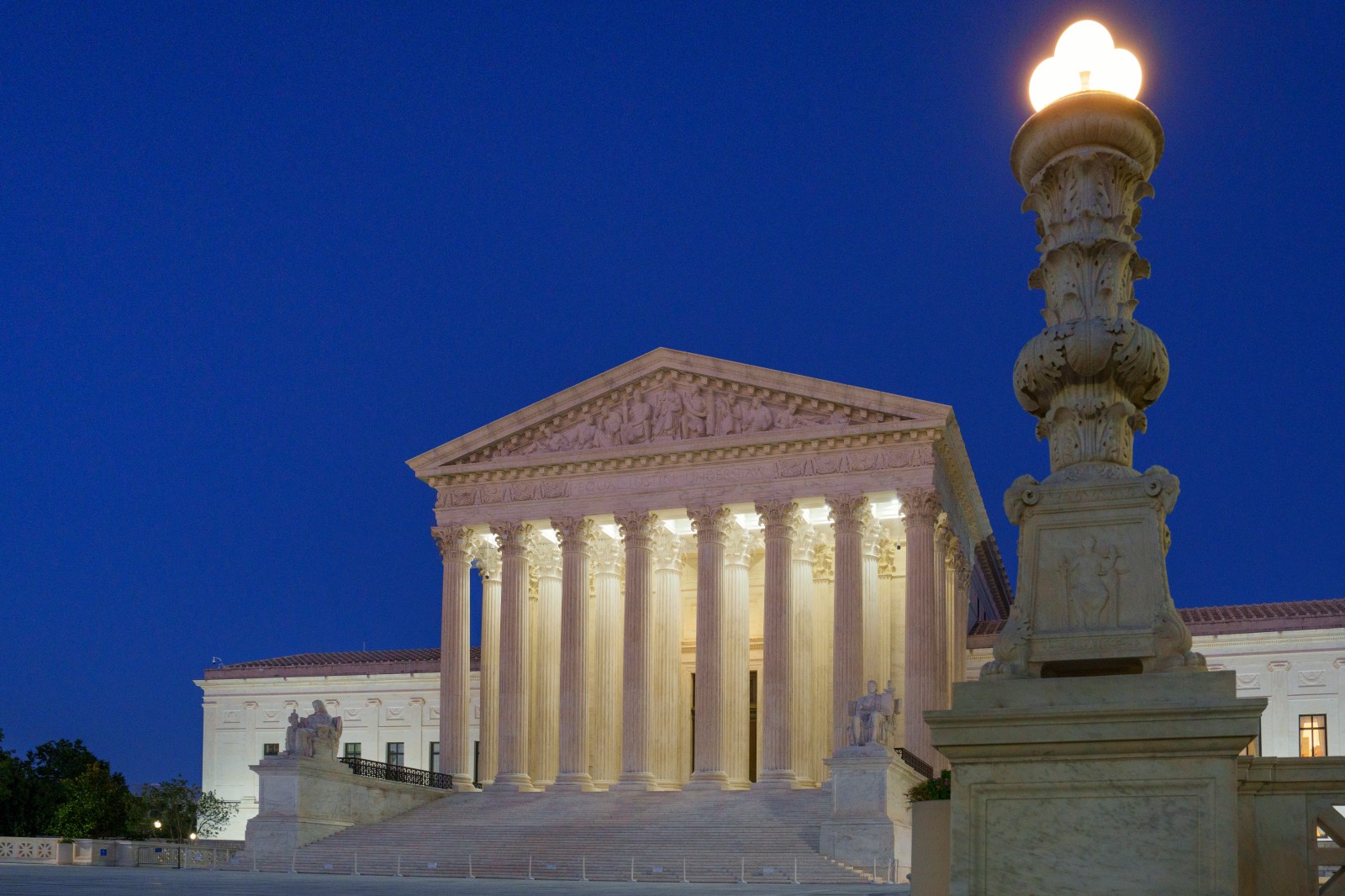
The United States Supreme Court will soon consider a case that may impact whether veterans can challenge federal benefits laws directly in federal district court or must use the Veterans Affairs review system. The case, Johnson v. United States Congress, originates from a Florida veteran contesting a law that cuts disability benefits for incarcerated veterans.
Background on Johnson’s Case
Floyd D. Johnson served as an infantryman in the U.S. Army from 1983 to 1985. Decades later, he was convicted of state felonies and sentenced to 40 years in prison. During his incarceration, Johnson was diagnosed with PTSD linked to his military service, leading him to apply for disability benefits. Initially awarded a 70 percent disability rate, it eventually increased to 80 percent before being reduced to 10 percent due to a cap affecting veterans imprisoned for over 60 days.
Johnson argued that this benefits cap is unconstitutional. However, a magistrate ruled for dismissal of his claim, a decision upheld by the District Court in 2022. The 11th Circuit Court of Appeals also denied his case in 2025, pointing out that he sued Congress instead of the VA.
Legal Precedents
Johnson’s case references the 1974 Supreme Court ruling in Johnson v. Robison, which stated that constitutional challenges to veterans’ benefits laws can have a distinct process from the usual benefits appeals.
Kristin E. Hickman, a professor at the University of Minnesota Law School, noted that the Supreme Court in Webster v. Doe did not preclude judicial review of constitutional claims, suggesting a potential reluctance from Congress to block such reviews.
Supreme Court’s Decision to Hear the Case
The Supreme Court’s decision to hear the case, although unexplained, likely considers the friction between the Veterans’ Judicial Review Act (VJRA) and past court decisions, namely Johnson v. Robison.
The case could influence whether veterans can take constitutional issues directly to federal courts or if they must follow the VA’s review procedures first.
Implications and Advocacy
If the Supreme Court rules for Johnson, veterans might secure a direct path to federal courts for constitutional challenges, providing a potentially vital safeguard. Advocacy groups emphasize that the VJRA was intended to broaden, not limit, opportunities for judicial review.
Conversely, a ruling in favor of the government would require veterans to complete the VA’s review process before bringing constitutional issues to court.
The case is slated for oral arguments on Monday, with a Supreme Court decision expected in the 2026/2027 term.
Leave a Reply