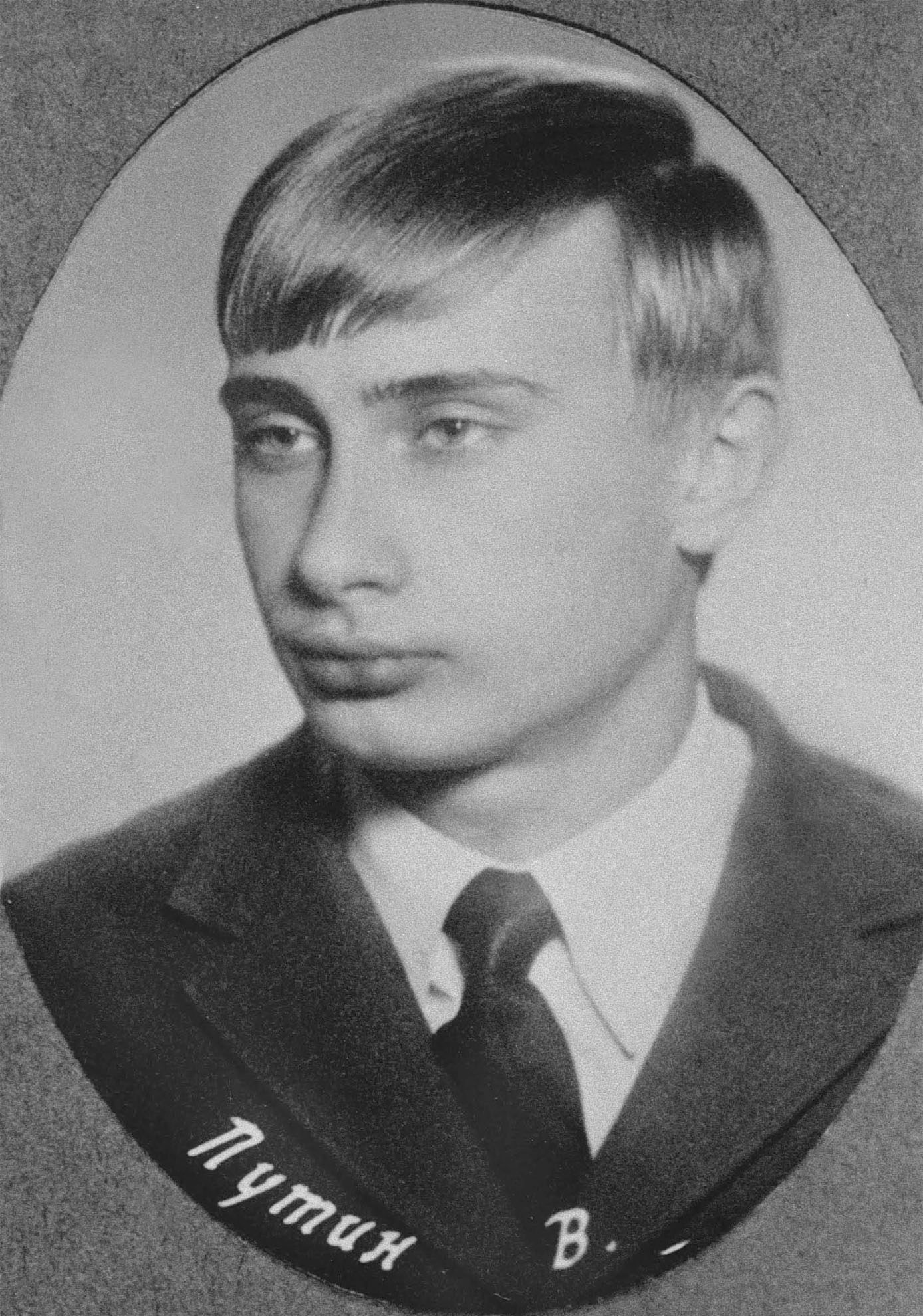
Bryan Adams’ “Summer of ‘69” evokes nostalgia for youthful romance and limitless potential. In stark contrast, Vladimir Putin’s own summer at age 16 involved aspirations of joining the KGB, alongside a challenging life in a communal apartment. Now, he looks back on those days with a unique fondness distinct from typical adolescent experiences.
Recently, Putin proposed a meeting with global leaders like China’s Xi Jinping and Donald Trump. The goal: to discuss ending the war he started in Ukraine. Strikingly absent from this invitation is Ukraine’s President Zelensky or any European representative. This highlights Putin’s mindset, shaped by the Soviet Union’s power.
Within this context lies a warning for Trump. Accepting Putin’s view risks sidelining smaller nations. The man who executed a “special military operation” in Ukraine implies that Ukraine’s leader will have no part in peace talks.
Big Powers and Smaller Nations
To outsiders, excluding Ukraine from negotiations appears irrational. Why exclude a country directly involved in its own conflict? Yet, if like Putin, you see geopolitics as a game controlled by powerful nations, this approach makes sense. Smaller nations may choose their own symbols and leaders but not their global paths.
This mindset is reminiscent of Soviet dominance. In 1956, the Soviets crushed Hungary’s desire for freedom. In 1968, when Czechoslovakia sought political reform, the Soviets responded with tanks, arresting reformist leader Dubček.
Putin mirrors this logic in his handling of Ukraine. Months before invading Ukraine in 2022, Russia demanded NATO cease expansion and reject Ukraine’s membership.
Alexander Baunov, a Russian political analyst, likens Putin’s push for negotiations without Ukraine to a quest for a “new Yalta.” This refers to the 1945 conference where leading powers decided post-WWII futures, excluding smaller nations like Ukraine.
Russia’s Status
Issues in Putin’s view include the assumption that Russia still holds great power status. Putin once called the Soviet collapse a “greatest geopolitical catastrophe” due to losing influence. Russia, today, still wields tools like nuclear weapons, a U.N. Security Council seat, and expertise in energy. Economically, however, it lags far behind major powers.
The World Bank estimates America’s economy at $30.8 trillion in 2025 and China’s at $19.5 trillion, while Russia’s sits at $2.6 trillion. Even Russia’s foreign policy experts acknowledge the hierarchy with China and America leading.
Ivan Timofeev, head of the Russian International Affairs Council, notes the asymmetric nature of Russia’s relations with China and the U.S. China is vital for Russian imports and exports amid Western sanctions.
In 1969, Soviet and Chinese forces clashed. Today, China is a crucial ally for Moscow, reflecting changing dynamics.
On Ukrainian Sovereignty
In July 2021, Putin published an essay stating respect for Ukraine’s identity while contradicting himself by denying Ukraine’s independence. He insisted on Ukraine’s partnership with Russia for true sovereignty, reducing Ukraine to a mere tenant under Russia’s control.
After years of conflict with Kyiv, language supporting Ukrainians’ autonomy is absent from Putin’s rhetoric. He has stated that Russians and Ukrainians are one, effectively laying claim to Ukraine.
Trump has expressed willingness to meet Putin and Xi, whether Zelensky joins or not, focusing on nuclear issues rather than Ukraine’s fate. Putin’s desired acknowledgment of his long-standing principles remains clear: powerful nations decide, Russia is among them, and other nations must adapt.
Leave a Reply