Background of the Indictment
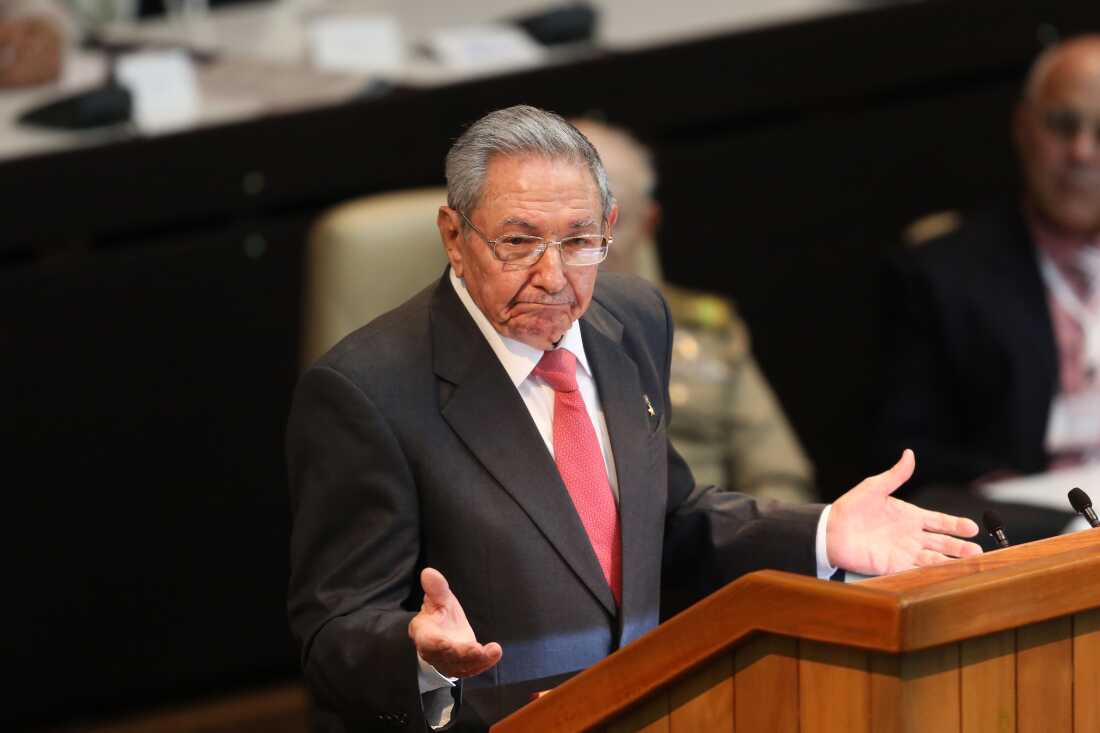
Raul Castro, the former president of Cuba, has been indicted by the U.S. Department of Justice for conspiring in an attack on a humanitarian group in 1996. The indictment accuses Castro and several other former Cuban leaders of conspiracy to kill U.S. nationals, aircraft destruction, and murder. Acting Attorney General Todd Blanche announced the charges at Miami’s Freedom Tower, a historic refuge for Cubans fleeing the Castro regime.
The Charges and Historical Context
Castro, along with Lorenzo Alberto Perez‑Perez, Emilio José Palacio Blanco, José Fidel Gual Barzaga, Raul Simanca Cardenas, and Luis Raul Gonzalez‑Pardo Rodriguez, faces accusations of involvement in the 1996 attack. This event led to the shooting down of two U.S. planes and the deaths of four individuals, including three U.S. citizens who were part of the anti-Castro group Brothers to the Rescue. The group’s mission involved searching for Cuban migrants attempting to reach the U.S.
The indictment was issued by a Miami grand jury on April 23 and announced during Cuban Independence Day celebrations. The indictment claims Perez-Perez was one of the fighter pilots involved in the attack.
Reactions and Political Implications
The U.S. government used the incident to reinforce its embargo on Cuba, leading to long-standing sanctions still in place today. Cuban President Miguel Díaz-Canel criticized the indictment as politically motivated, denying the U.S. allegations and branding Brothers to the Rescue as a “narco-terrorist” group.
An arrest warrant for Castro has been issued, but details on possible extradition or capture remain undisclosed. Blanche emphasized the commitment to pursue accountability for actions against U.S. nationals.
Recent Developments and Diplomatic Talks
The indictment arrives amid reported diplomatic interactions between the U.S. and Cuba. CIA Director John Ratcliffe recently met with Cuban officials on the island, including Castro’s grandson, discussing issues like intelligence cooperation and economic stability.
This meeting marked the highest-level diplomatic engagement since the U.S. enacted a fuel blockade against Cuba, which worsened the island’s economic situation and caused widespread disruptions.
Historical Allegations Against Castro
The DOJ’s indictment outlines that on February 24, 1996, Cuban leaders, including Raul and Fidel Castro, ordered the Cuban Air Force to shoot down the Brothers to the Rescue planes. The Cuban government argued the planes threatened its sovereignty, while evidence suggested the attack occurred in international airspace.
The Cuban government claimed self-defense, while opposition groups continued to seek accountability for the lost lives. The indictment also details intelligence activities in Miami that aided the Cuban government’s actions.
Despite prior indictments against the pilots, the Castros had not faced charges until now. Raul Castro continues to hold influence in Cuban politics, despite officially retiring in 2021.
Leave a Reply