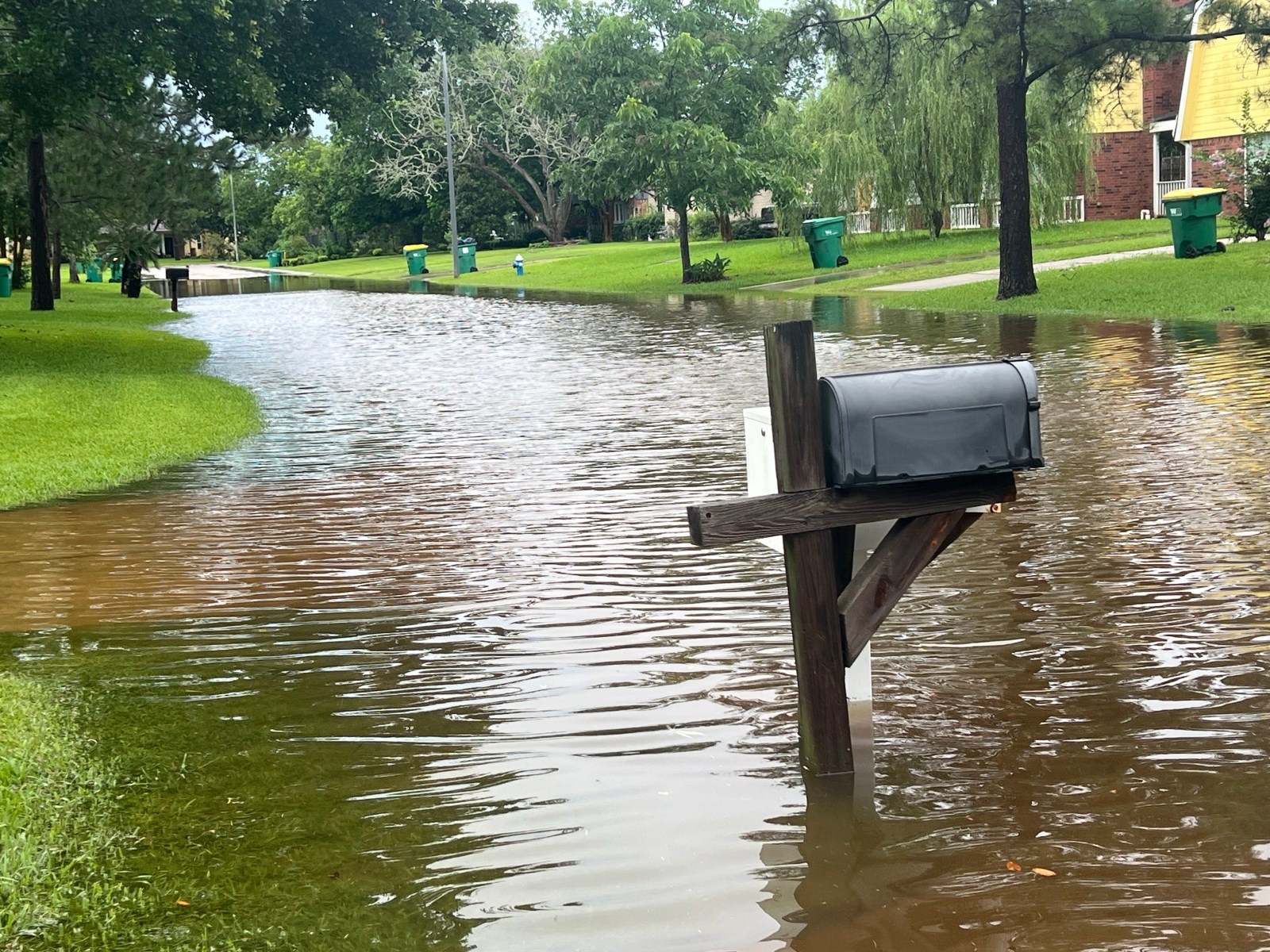
An unexpected downpour on Ohio’s Kelleys Island delivered about four months’ worth of rain in less than 12 hours. Meteorologists suggest this sets a new, unofficial record for the island, underscoring a growing climate issue in the Midwest and Northeast parts of the U.S.
The storm poured between 13 and 16 inches of rain from late Sunday into Monday morning, as reported by local weather authorities and emergency personnel. This left roads, residences, and businesses under water. The National Weather Service (NWS) issued several flood warnings as water accumulated swiftly across the island. Residents described flooded basements, submerged streets, and substantial destruction.
Kelleys Island, located 4.5 miles north of mainland Ohio, is typically a favorite vacation spot in Erie County. The island sees an average of 4.1 inches of rain during July, according to Brian Mitchell from NWS, as reported in Newsweek. He noted that the island received nearly four times its usual monthly rainfall in hours. The previous state record stood at 10.75 inches set in Shelby County during August 1995. Updating this record following the latest deluge might take weeks, Mitchell added.
WTOL meteorologist Chris Vickers reported rainfall levels exceeding 17 inches on the island, surpassing past records and causing widespread flooding. Authorities urged residents to steer clear of flooded zones and conserve water, as village systems struggled with runoff. This torrential rain more than doubled the NWS 1-in-1,000-year event benchmark, established at 8.41 inches within a day for this region.
Evidence suggests this wasn’t merely a 1-in-1000 year occurrence. It seemed practically impossible until now, as noted by Jeff Berardelli of WFLA-TV in a post on X.
Videos flooded social media, showing water rushing across roads and cascading like waterfalls. Residents shared images of inundated yards, basements, and businesses, emphasizing concerns among meteorologists: such extreme rainfall events are becoming increasingly common nationwide, especially in the Midwest and Northeast.
Understanding a 1-in-1,000-Year Rain Event
Meteorologists referred to the Kelleys Island rainfall nearing or exceeding a “1-in-1,000-year” event standard. This term doesn’t mean the event only occurs once every thousand years; it suggests a 0.1 percent likelihood of happening any year based on historical data.
Multiple such events can occur in short spans. The label describes occurrence probability, not frequency.A warming climate alters these odds. Warmer air holds more moisture, enabling storms to yield heavier downpours. Research indicates air’s moisture capacity heightens by about 7 percent for every 1 degree Celsius (1.8 degrees Fahrenheit) increase, supplying storms with more rain potential.
Increasingly Common Extreme Rainfall
The Kelleys Island flooding aligns with a national trend toward heavier precipitation events. The U.S. Global Change Research Program highlights a significant rise in heavy rainfall occurrences over the past century. The Midwest and Northeast experienced some of the largest upticks in extreme precipitation.
Although climate change doesn’t trigger every storm, it influences conditions ripe for producing larger rainfall totals. Recently, U.S. communities faced multiple “once-in-a-century” and “once-in-500-year” floods in unexpectedly rapid succession.
Was El Niño a Factor?
El Niño, marked by unusually warm equatorial Pacific Ocean waters, impacts global weather patterns, including North American precipitation trends. While El Niño is underway and anticipated to strengthen, its effects are generally broader, affecting seasonal weather rather than singular storm systems.
The Kelleys Island flooding was tied to a slow-moving storm complex repeatedly affecting the same area, a phenomenon known as “training” thunderstorms.
What Lies Ahead
As floodwaters decrease, residents and officials will evaluate the damage extent. Roads, homes, businesses, and public infrastructure may need repairs. Authorities will continue assessing potential state or federal aid requirements. Currently, no additional weather alerts are issued for the region by the NWS Cleveland office.
Leave a Reply