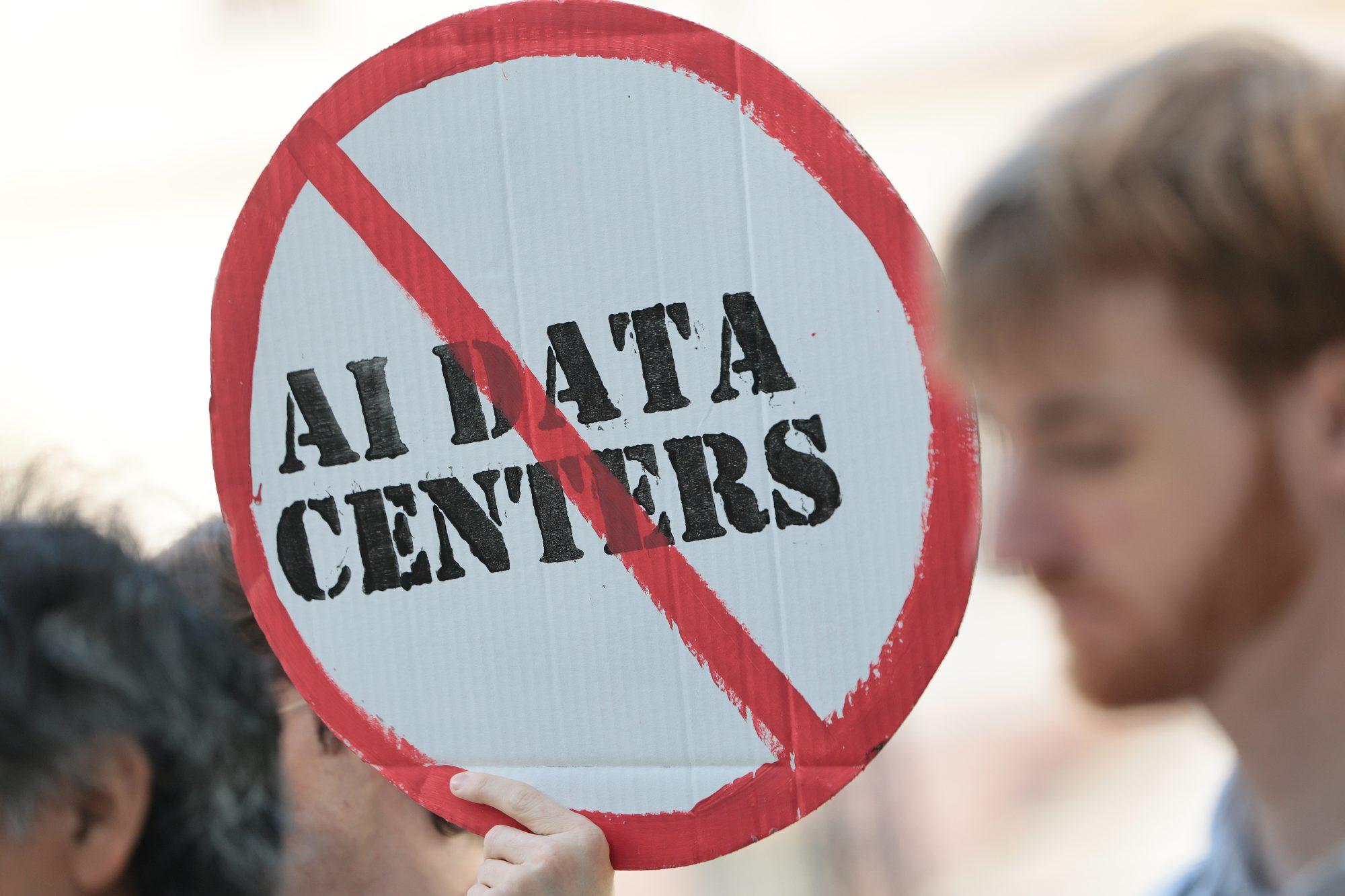
Individuals gathered at City Hall Park on October 5, 2026, before a New York City Council hearing focused on artificial intelligence risks and regulation. This event highlighted a growing neo-Luddite sentiment, where some now view modern technology with disdain, yearning for the preindustrial past. However, it’s crucial to recognize that most people today enjoy a healthier, more comfortable life than past royalty.
Historical living conditions were harsh. Most lived without light after sundown, many didn’t reach age 20 in early modern Europe, and famine sometimes led to cannibalism. Significant places like Versailles lacked basic amenities.
In “The Grim Old Days,” Chelsea Follett argues that technological progress, including the Industrial Revolution, stands between us and those dire living standards. Follett emphasizes how current conveniences like electricity and accessible food are often taken for granted. “We assume the existing world — with amenities like running water — is humanity’s baseline,” she states.
“Before industrialization, the pace of progress was tepid,” Follett writes, aiming to shatter romanticized visions of the past.
Cities we admire today, such as Renaissance Florence, lacked street lighting, transforming into hazardous areas at night. Historical figures like George Washington spent extensively on basic lighting. Even kings faced severe discomfort, with frozen wine at their tables during winters and primitive communal toilets at places like Hampton Court.
Follett notes that if someone from the preindustrial era saw a modern grocery store, they would be astonished by its abundance. She credits the Industrial Revolution with alleviating previous constant misery, yielding more economic output in the last two centuries than ever before per Cato’s Human Progress project.
Modern advancements have relieved typical individuals from subsistence labor; today, in developed nations, only about 2% of people are farmers. This change has allowed more room for creativity and thought.
“During the Industrial Revolution, freedom and trade thrived, technology advanced, and global wealth increased exponentially,” Follett observes. For the first time, pursuing personal dreams became feasible for ordinary people.
Currently, as AI’s role grows, skepticism arises. A July poll indicated only 30% viewed AI positively despite its positive economic impact. Follett points out the importance of applying lessons from the Industrial Revolution to avoid missing opportunities with AI.
The transition AI brings can be overwhelming, altering work and societal structures. Yet history shows that embracing change led to progress. Like during the Industrial Revolution, accepting new technology might pave the way for unprecedented possibilities.
Leave a Reply