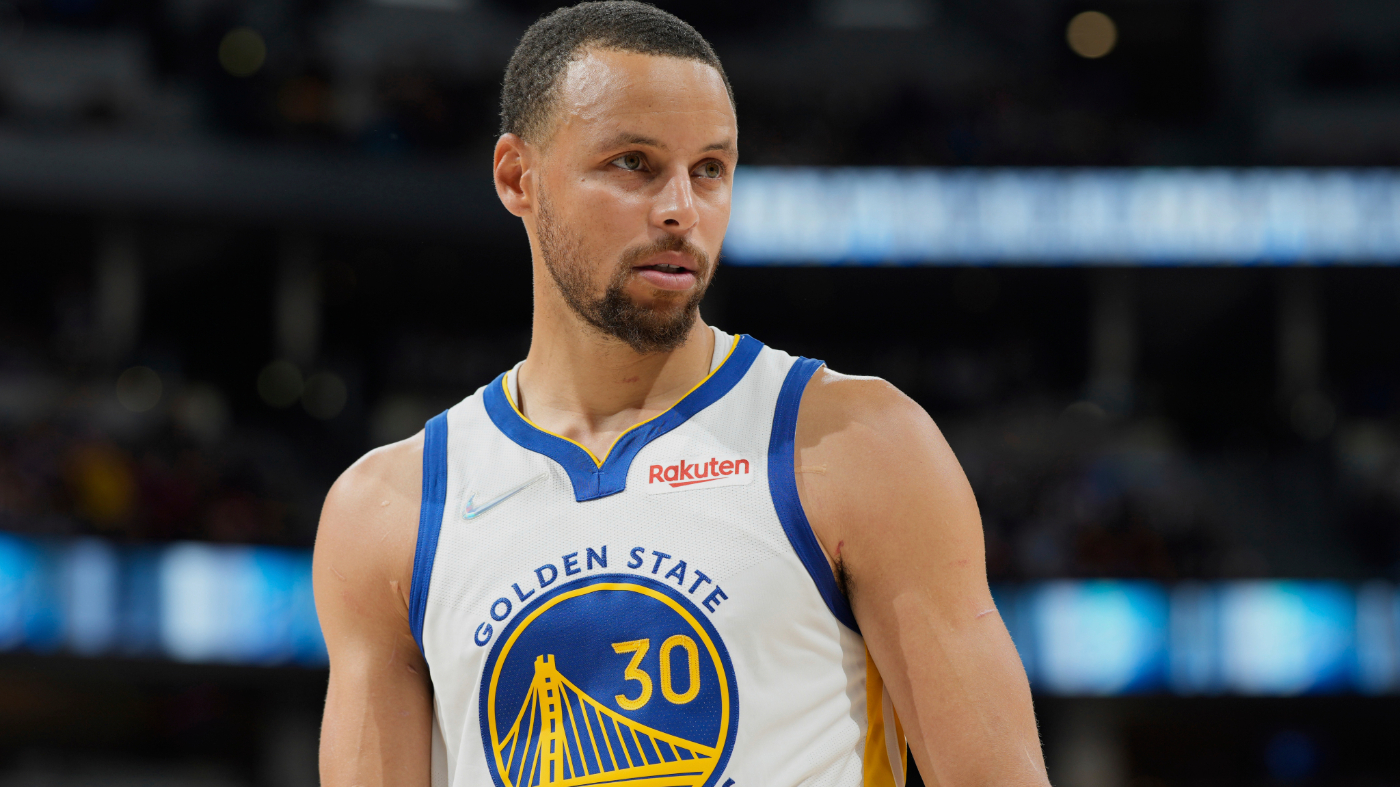
June’s NBA Finals highlight sports excellence and discipline, uplifting the human spirit. Yet, Stephen Curry’s new partnership with Li-Ning, a Chinese apparel company, raises concerns. This links a celebrated American athlete to a company criticized for ties to forced labor. The moral impact of engaging with China in this way is now well-known.
Stephen Curry is not only a talented player but also a global figure. He is admired for his judgment and character. When he signs a reported $400 million, 10-year deal with Li-Ning, he’s doing more than switching brands. He’s aligning his reputation with a company linked to major human rights issues.
At its best, sports can use fame for positive service. Athletic brilliance need not stand apart from moral values. Decisions like Curry’s hold importance because of their impact. The bigger the platform, the greater the responsibility. Curry’s choice brings the respect linked to sports excellence into proximity with a coercive regime.
The U.S. Department of Labor has stated that since 2016, China’s Communist Party has subjected Uyghurs and other mostly Muslim minorities to forced labor, genocide, and crimes against humanity in Xinjiang. Reports of forced factory work, surveillance, and indoctrination illustrate a broad control system. These claims are precise, backed by the U.S. government, and supported by international investigations.
This led Congress to pass the Uyghur Forced Labor Prevention Act. This law presumes goods from Xinjiang or designated entities are made with forced labor, barring their U.S. import unless proven otherwise. Americans should not have to support such abuses due to corporate or market indifference.
In Curry’s situation, warnings were clear. Li-Ning merchandise was banned in the U.S. in 2022. Now, Rep. Chris Smith plans to ask Homeland Security to scrutinize Li-Ning imports after Curry’s deal. A company embroiled in such controversy is not a neutral partner; it challenges whether fame and wealth adhere to ethical standards.
Recent years show cultural leaders having a selective moral stance. They speak on justice when risks are low but stay silent on China’s issues where the market is vast. This lack of courage results in hollow endorsements masked as noble stances.
The Women’s Tennis Association set a better precedent. By removing events from China over human rights concerns, it displayed institutional seriousness. We have urged the NBA and others to adopt a similar stand, highlighting that many athletes and sponsors talk about justice domestically but ignore Beijing’s violations.
All sports institutions should maintain conscience if they wish to discuss justice, even if it has costs. Endorsements in sports are built on trust. When stars endorse companies tied to forced labor, this trust falters. Associating with such companies reflects tolerance toward unethical practices.
The NBA deserves a better reputation, as do its fans and the victims of global business priorities. Basketball remains a platform for greatness, but this requires a conscience for longevity.
Ambassador Sam Brownback is a former U.S. ambassador-at-large for international religious freedom. Enes Kanter Freedom is a human rights activist and former NBA player.
Leave a Reply