The Republican Party is heavily investing in campaign advertisements as the midterm elections approach. Facing potential losses in both the House and Senate, Republicans allocated $1.9 billion for ads in October. This translates to over $60 million daily, according to AdImpact.
Democrats followed closely, spending $1.76 billion, with independents contributing $350 million. The overall spending for the month hit an all-time high of $4.01 billion, exceeding previous records even when presidential elections were included.
According to AdImpact, this election cycle is the costliest in U.S. history. To date, $11.2 billion has been expended on campaign ads, with forecasts predicting a total of $11.6 billion before the cycle ends. Such significant expenditures reflect both parties’ views of the contest’s importance and the competitive nature of many races.
Funding Sources and Key Players
The Republican campaign funding comes from individual contributions and super PACs. The Senate Leadership Fund has provided over $460 million to support candidates in key battleground states, as reported by the Federal Election Commission (FEC). The funds target attack ads against opponents.
Among the prominent contributors is Elon Musk, whose America PAC raised $216 million and spent $172 million on ads between January 1, 2025, and October 14, 2026. The New York Times reports Musk’s total spending during this period at $474 million. Other notable donors include No Going Back, MAGA Inc., and One Nation.
For the Democrats, Majority Forward and organizations linked to financier George Soros have each invested over $100 million in the campaigns. Analysis by Al Jazeera and the New York Times highlights these figures.
Ad Spending by Geography and Issues
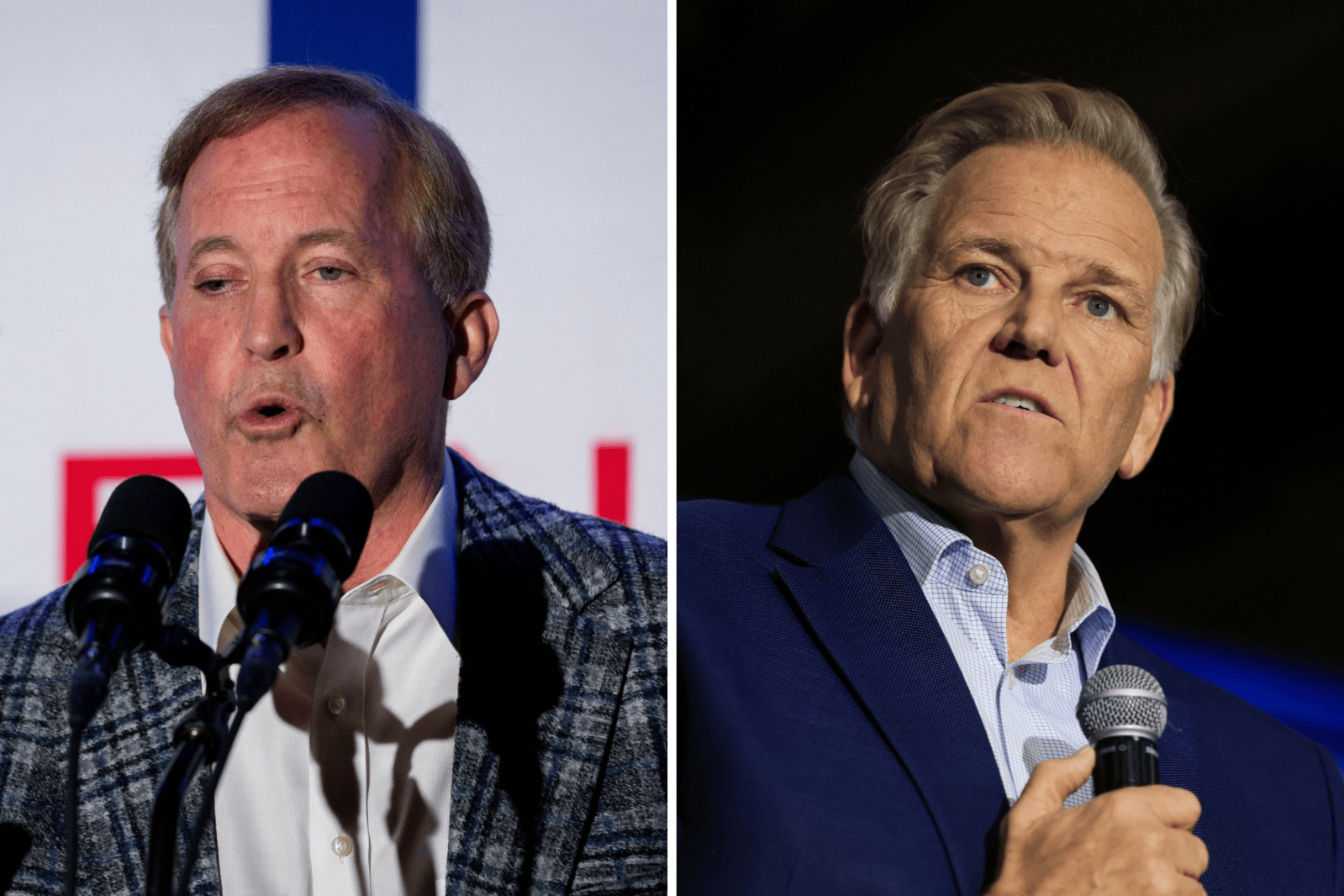
Much of the ad spending targets Senate races in competitive states. Over $500 million has gone into the Texas contest between Democrat James Talarico and Republican Ken Paxton. FEC data reveals that $200 million was directly spent against Talarico, surpassing figures for candidates in other states.
According to USA Today, when adjusted for population, Maine emerges as the most expensive race. The broadcast ad spend of $218 million could equate to $160 per state resident.
Economic topics have dominated ad content this cycle, with utility and energy bills frequently mentioned. Climate Power analyzed AdImpact data, finding $191 million spent on related ads in the first nine months of 2026, $138 million in the third quarter alone.
Data center issues have also attracted $173 million in ad spending. Democrats spent $140 million on this topic, Republicans $28 million, and independents $5 million, as Axios reported.
Shifts in Ad Content
In late October, AdImpact noted a steep decline in Republican ads mentioning Donald Trump, coinciding with weak job approval ratings and strategic distancing by candidates facing close races. Republican websites have removed Trump imagery in favor of affordability-focused messages, based on a Newsweek investigation in September.
It’s knowing your audience, said Pete Seat, former White House spokesperson under George W. Bush. Television ads are seen by Republicans, Democrats, and Independents. Why alienate a sizable chunk of the electorate when you don’t have to?
“Affordability” emerged as a key ad theme, with Democrats spending $401 million, Republicans $311 million, and Independents $89 million, according to Politico’s analysis of AdImpact data.
Pessimistic Outlook for GOP
Polling suggests a challenging election night for Republicans. Analyst Nate Silver described potential outcomes as a long night
for Trump’s party. RacetotheWH simulations show Democrats with a 96.2% chance of winning the House and an 81.2% chance of securing the Senate majority, predicting 237 and 53 seats respectively.
The AtlasIntel poll from late October indicates Democrats leading 55.5% to 41.4% in voter preference. The New York Times/Siena College poll shows Democratic edges in critical Senate races.
Despite skepticism, Nate Silver noted that polls point to a strong Democratic year.
Newsweek’s editors, Daniel Orton and James Debens, are available for contact regarding this story. Additionally, Newsweek will hold a discussion on November 10 titled ‘Newsweek Webinar: How the Politics of AI Could Shape Midterms,’ focusing on AI policy’s role in key races.
Leave a Reply