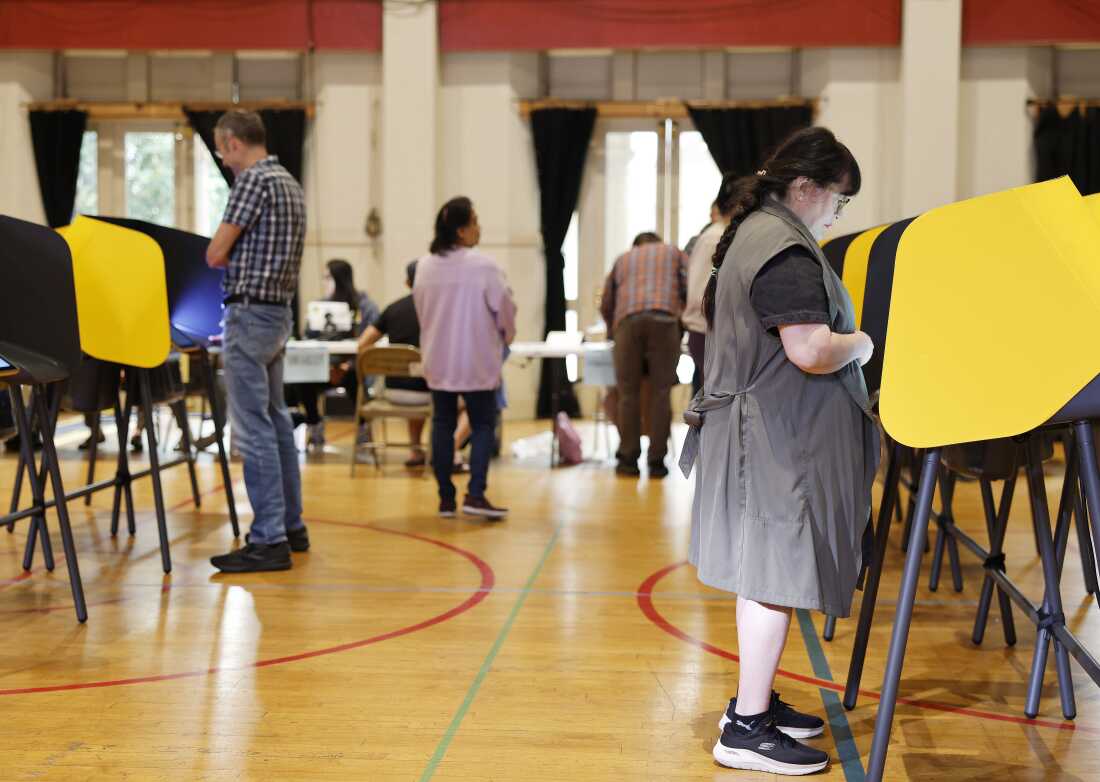
A voting overhaul initiative has returned to Capitol Hill, featuring a new photo identification requirement. The Safeguard American Voter Eligibility Act, now called the SAVE America Act, seeks to change voter registration and voting procedures nationwide. President Trump supports the initiative, which could impact the upcoming midterm elections.
Legislative Journey and Opposition
The U.S. House narrowly passed the bill, with backing from all Republicans and one Democrat. However, resistance persists in the GOP-controlled Senate, primarily due to the 60-vote requirement to bypass the legislative filibuster. Some Republicans suggest bypassing the filibuster, but party leadership remains hesitant.
Key Provisions in the Overhaul
The legislation demands proof of citizenship for voter registration, requiring documents like a valid U.S. passport or a birth certificate and valid photo ID. Additionally, eligible voters must show photo ID when casting a ballot.
“This bill takes a strong piece of legislation, the SAVE Act, and makes it even stronger in the SAVE America Act,” stated Rep. Bryan Steil, R-Wis., during a statement on Capitol Hill.
Current federal law prohibits non-citizens from voting, and instances of fraud are extremely rare. Still, Republicans like Steil argue current laws are insufficient.
Existing State Measures and Criticism
Some states already verify citizenship for new voters. Three dozen states ask for voter ID at the polls, sometimes requiring a photo ID, while others accept alternatives like bank statements. Critics, including Democrats and voting rights advocates, claim the new act complicates voting for millions of Americans who lack easy access to required documentation.
For instance, around half of Americans did not possess a passport as of 2023. The act’s immediate enforcement could strain voters and officials during the midterm elections. Election officials would face penalties for registering voters without proof of citizenship.
Support and Resistance
The Senate seems unlikely to approve the bill, despite Trump’s administration aggressively advocating for the overhaul. Trump cites polling indicating 8 in 10 Americans favor the photo ID and proof of citizenship measures.
Trump’s history of questioning election integrity influences opposition to the SAVE Act. Michael Waldman from the Brennan Center for Justice calls the measure “Trump’s power grab in legislative garb.”
Recently, Trump hinted at a new executive order mandating voter ID, regardless of Congressional approval. However, the U.S. Constitution and a 2025 executive order suggest limits to presidential authority over election rules.
New Elements in the SAVE Act
- Photo ID Requirement: Accepted forms include U.S. passports, driver’s licenses, state IDs, military IDs, and tribal IDs. Without an ID, voters must vote provisionally, return with an ID within three days, or submit a religious objection affidavit. Even mail-in voters must submit ID copies.
- Name Discrepancy Resolution: Guidelines allow applicants to sign an affidavit confirming any old names still in use on official documents.
- Exemptions for Military: Absent service members and their families benefit from specific exemptions.
- Homeland Security Involvement: States must submit voter lists to the Department of Homeland Security for verification against the Systematic Alien Verification for Entitlements (SAVE) system. Privacy concerns exist due to SAVE’s errors in misidentifying U.S. citizens.
Leave a Reply