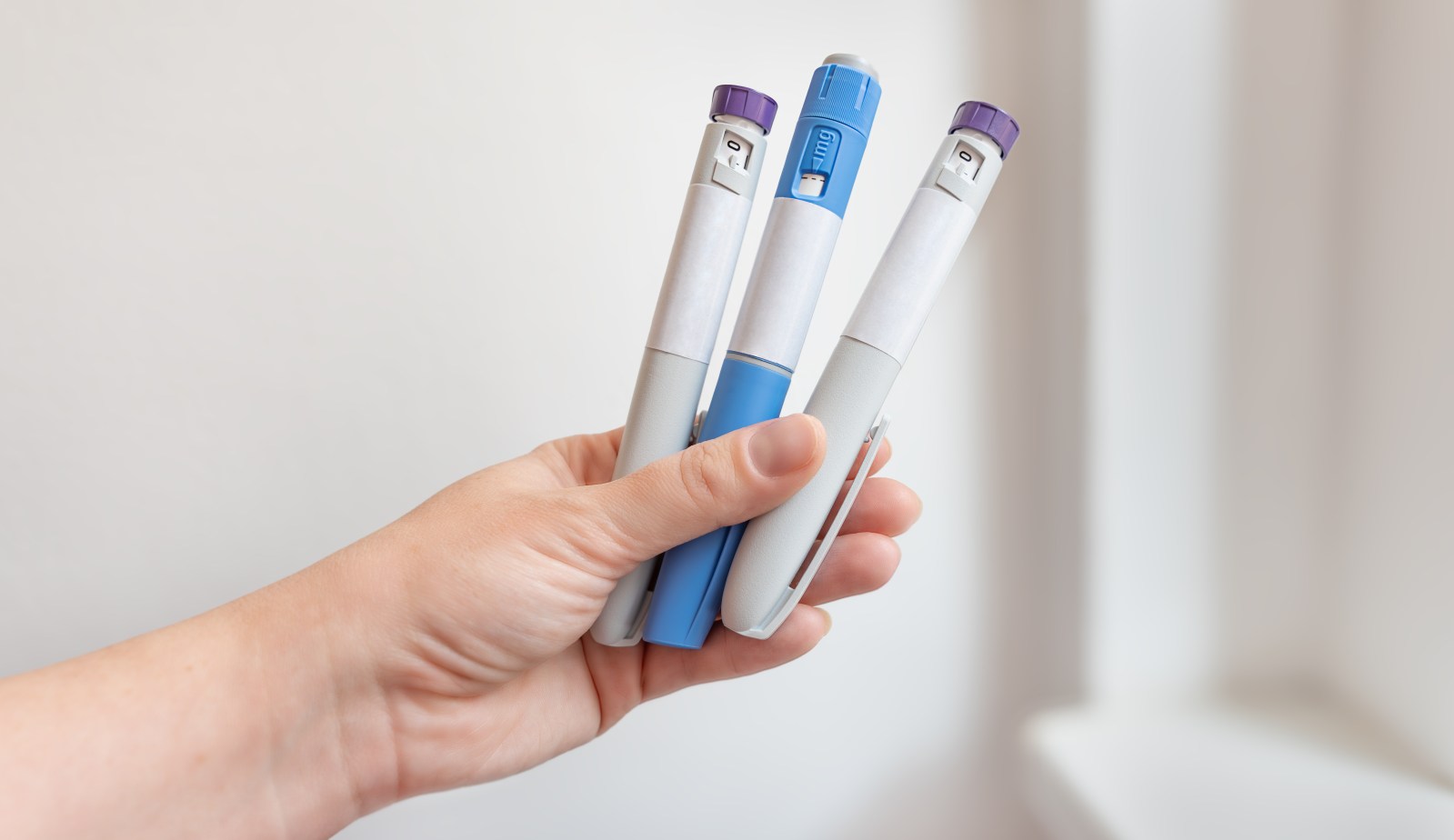
A phase 3 clinical trial funded by Eli Lilly has demonstrated that the weight-loss drug, retatrutide, leads to significant weight reduction among participants. The findings, published in the National Library of Medicine on September 29, come as the demand for anti-obesity medications is increasing. Drugmakers are striving to extend treatment options beyond current GLP-1 therapies, such as Wegovy and Ozempic. Retatrutide has sparked interest for its potential to achieve greater weight loss while addressing conditions like sleep apnea and osteoarthritis.
This is another future tool in the tool belt for managing obesity with impressive results,
said Dr. Brian Wojeck, a Yale Medicine endocrinologist. He recognizes the development of new treatment tools as only the beginning of effective obesity management.
Understanding Retatrutide
Retatrutide operates differently than popular drugs like Wegovy and Ozempic. These drugs target the GLP-1 hormone to promote a feeling of fullness, thereby reducing intake. Retatrutide, however, targets three hormone receptors: GLP-1, GIP, and glucagon. This approach may enhance energy expenditure and fat burning, contributing to the notable weight loss observed in trials.
The Eli Lilly trial administered retatrutide via injection. GLP-1 drugs also offer injectable forms, with Wegovy providing a daily tablet option. The U.S. Food and Drug Administration approved the first GLP-1 pill last year.
Insights from Eli Lilly’s Clinical Trials
Eli Lilly’s trial involved 2,339 adults with obesity and studied their responses over 18 months. Participants included some with knee osteoarthritis and obstructive sleep apnea. They were randomly assigned either a 4-milligram, 9-milligram, or 12-milligram dose of retatrutide, or a placebo.
Researchers reported significant weight loss among those taking retatrutide. Specifically, the average body weight reduction was 17.6% for the 4-milligram dose group, 23.7% for the 9-milligram dose, and 25% for the 12-milligram dose. Meanwhile, the placebo group had a 3.9% reduction in body weight.
Dr. Wojeck noted that retatrutide is the most effective agent seen in published trials but expects advancements in safer, effective obesity treatment over time. Despite positive results, Eli Lilly’s retatrutide faces competition. Novo Nordisk is developing potential treatments to rival it, according to Dr. Martin Holst Lange from the company.
Additionally, participants with knee pain or sleep apnea saw improvements while on retatrutide. In adults with obesity, retatrutide resulted in significant weight reduction, reduced pain in participants with knee osteoarthritis, and reduced apnea-hypopnea events in participants with obstructive sleep apnea,
according to trial results. Common side effects were mainly gastrointestinal.
Current Approval Status and Risks
Retatrutide remains experimental without FDA approval. Eli Lilly is likely to seek regulatory endorsement after successful phase 3 trials, though no approval date is announced. Further trials are ongoing.
Eli Lilly highlighted the risks associated with unapproved drug use and urged against using products marketed as retatrutide outside their clinical trials. They warned about the dangers of unknown ingredients and contaminants.
Despite lacking federal approval, some individuals access retatrutide from online or in-store sources. Eli Lilly cautioned against this, emphasizing the risks of unverified products. Dr. Wojeck discouraged the public use of such agents due to the lack of study and increased adverse event risks.
Reported Incidents
Regrettably, two deaths have been associated with the use of unregulated retatrutide products. A woman reportedly experienced cardiac arrest in July, and another death in September involved a product purchased online. These incidents were independent of Eli Lilly’s trials. The FDA has been notified of these cases.
Further inquiries can be directed to Newsweek’s editors, Kate Nalepinski and Dave Siminoff.
Leave a Reply