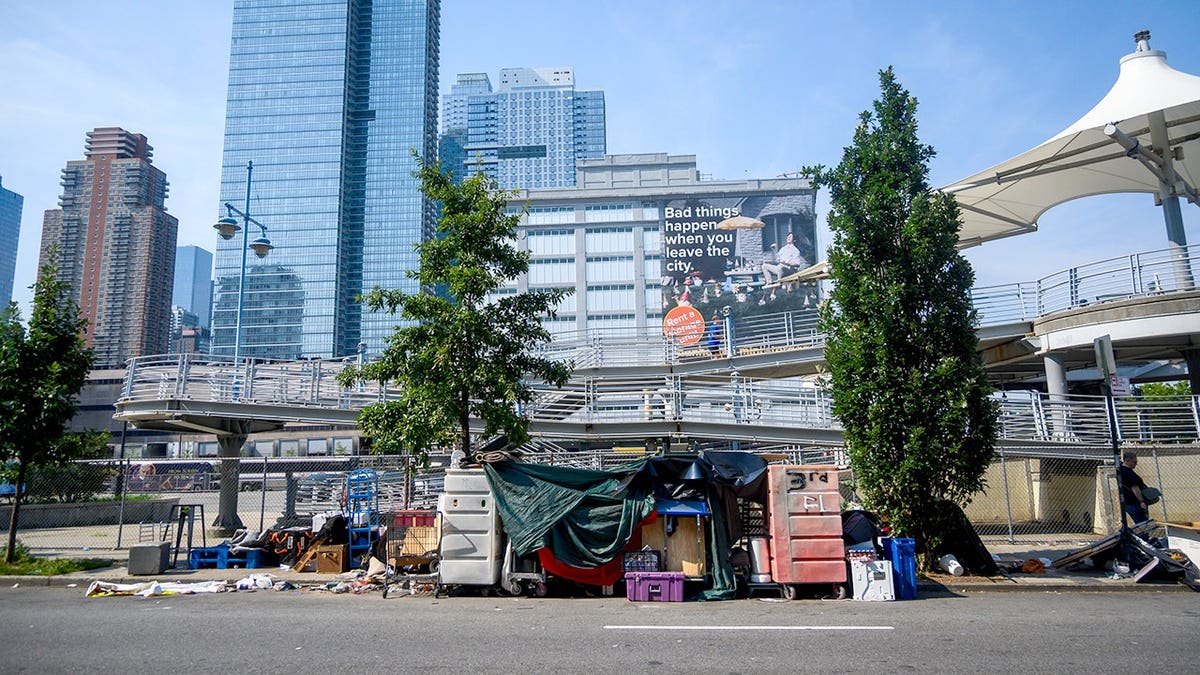
Democrats and the Trump administration are at odds over how to help 146,000 homeless individuals with serious mental illness. Democrats accuse the administration of turning back the clock on civil rights for people with disabilities. Despite this, the current system is often linked to the poor conditions many mentally ill individuals face on the streets.
For decades, states struggled to aid the mentally ill due to a broad interpretation of the Supreme Court’s 1999 Olmstead decision. This decision leaned towards community-based care, limiting state options. Recent policy changes from the Department of Justice aim to overhaul federal oversight of state mental healthcare. This shift is controversial but necessary according to proponents.
“Our hands have been tied by outdated interpretations,” remarked a state health official.
Now, the administration’s plan supports small, community-based group homes. These homes provide ordered treatments to individuals battling mental illness and substance abuse, offering a middle ground between hospitalization and independent living.
Historically, creating such housing was difficult, as regulations emphasized resident autonomy over safety and necessary care. New federal guidance encourages a balance, helping states address long-ignored needs.
Activists express concerns of a regression to large state psychiatric hospitals. However, this fear overlooks the dire conditions many homeless individuals currently endure. Many with severe mental disorders or substance-use issues live on the streets, posing risks to themselves and others. They experience high rates of victimization, crime, disease, and early death.
Since the 1990s, federal policies constrained state mental health systems, favoring voluntary community care. While valuable for some, it often fails the severely ill who need structured, supportive environments. The choice has been stark: comply with federal law, risking legal challenges, or provide comprehensive care and face litigation.
States have significantly reduced psychiatric hospital capacity due to these pressures. In 2016, psychiatric hospital beds nationwide fell by 96% since the 1950s, a time when the U.S. population grew by 110%. This trend accelerated as agencies pressured states to release patients or face lawsuits, leading many to homelessness or incarceration.
The challenges foreseen during the Olmstead decision by Justices Kennedy and Breyer have materialized. Federal policies, while freeing individuals from institutions, often place them in equally dire situations. The Trump administration’s reevaluation of these policies, supported by current evidence, is overdue.
Dr. Elinore McCance-Katz, a psychiatrist and senior fellow, highlights the urgent need for reform. The changes aim to address the failings of the present system and offer more effective care for the most vulnerable.
Leave a Reply