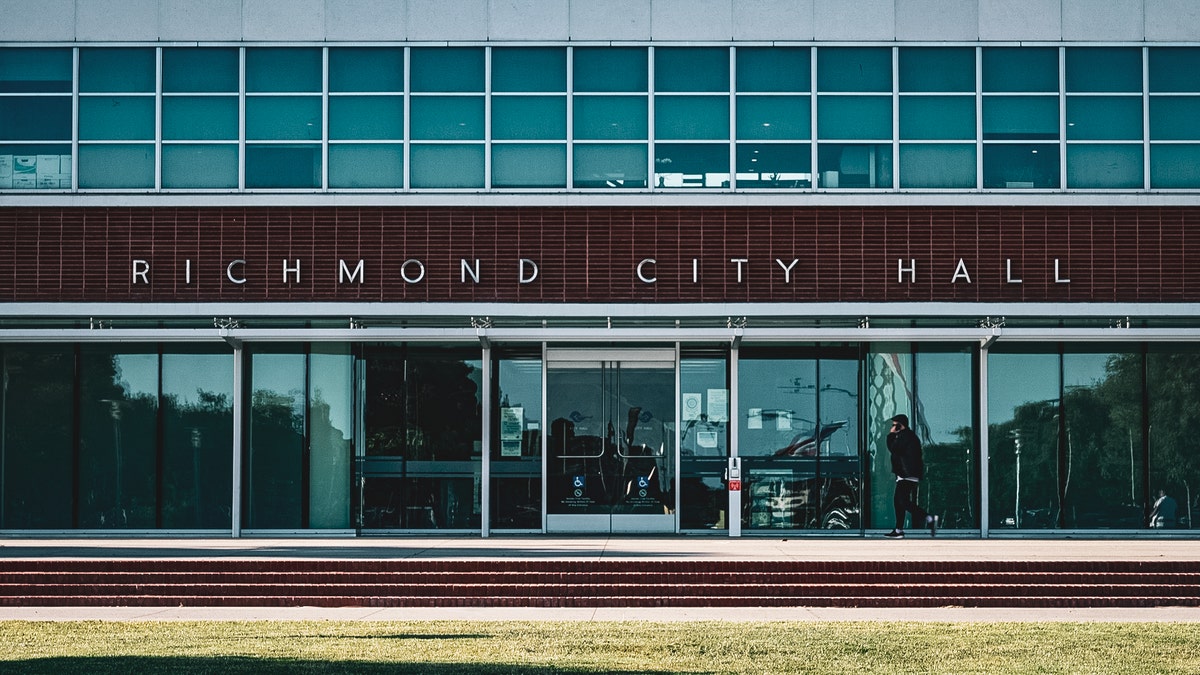
Situated just 30 minutes from San Francisco, Richmond, California, presents a unique political landscape. This city has become known for its distinct governance style, influenced primarily by the Richmond Progressive Alliance (RPA), an activist coalition comprising democratic socialists, which has been a significant force in local government for over two decades.
Externally, Richmond resembles many working-class California cities, with landmarks such as the Chevron refinery and immigrant-owned businesses along 23rd Street. Yet, politically, Richmond diverges from typical norms. The RPA, established in the early 2000s, aimed initially to tackle corporate power, oppose the Iraq War, and advocate for fair housing and rent control.
The RPA’s presence is prominent in Richmond’s City Hall. Mayor Eduardo Martinez, associated with the RPA and the Democratic Socialists of America, leads a progressive city council. While Martinez emphasizes policies targeting environmental justice and reducing corporate influence, critics highlight the city’s perceived hostility towards businesses, both large and small.
‘Richmond is a diverse community with a commitment to serving its residents,’ stated Martinez, addressing the city’s governance approach. ‘We find common ground on key issues such as homelessness, living-wage jobs, and effective government.’
Martinez described the RPA as an alternative to conventional, business-centric politics, aiming to empower marginalized communities with opportunities to influence decisions affecting their lives.
Tom Butt, Richmond’s former mayor, shares a different perspective. Reflecting on his tenure, he noted the city’s political evolution. Initially considered liberal, he observed how the RPA’s growing influence shifted the city’s political center further left. During his time, the RPA collaborated on various issues, including climate change and energy policy, but their approach evolved as their power increased.
The tension with Chevron exemplifies Richmond’s political dynamic. The RPA has been pivotal in challenging Chevron’s influence, with members arguing for higher corporate contributions to address environmental impacts. However, critics warn that distancing Chevron risks economic stability, given the company’s substantial tax contributions.
Kevin Brown, former CEO of Riggers Loft Wine Company, expressed concerns over local government policies. After investing significantly in a waterfront winery, a dispute over COVID-era rent payments led to his business closure, highlighting perceived business-hostile attitudes within City Hall.
Richmond disputes these characterizations, citing attempts to resolve issues with Brown’s business, which accumulated significant unpaid rent. Meanwhile, local business owner Raul Ramirez, founder of Tacos El Rulas, experiences similar frustrations with city licensing processes, further complicating the local business environment.
Richmond’s City Hall defends its stance, insisting on corporate accountability and community protection from negligence or abuse. Martinez reiterates that ideology guides governance, aligning elected leadership with voter values.
Despite these challenges, Richmond continues as an example of grassroots democracy, prioritizing inclusivity and responsible industry. Martinez emphasizes that the city is not merely an experiment but a testament to community-driven governance, embodying the principle of ‘government of the people, by the people, and for the people.’
Leave a Reply