At a time when the focus is on Iran, Russia’s war with Ukraine, and NATO’s defense spending at its summit in Ankara, antisemitic rhetoric from Turkey’s leadership demands attention. Turkey-Israel relations have become increasingly strained, and a war of words has erupted between the nations.
Turkish Foreign Minister Hakan Fidan made controversial statements about Israel in a July interview with CNN Türk, describing Israel as “a burden humanity can no longer bear,” according to reports from The Jerusalem Post. Fidan also portrayed Israel as “humanity’s common problems” and urged other nations to pressure the Jewish State, Israel National News reported.
“These remarks are a clear call for genocide,” Israeli Foreign Minister Gideon Sa’ar condemned, highlighting the historical consequences of ignoring such language. Sa’ar emphasized that dehumanization is the first step towards genocide.
Turkish rhetoric has intensified since October 7. Sinan Ciddi, from the Foundation for Defense of Democracies, labeled Fidan’s statement as “some of the vilest rhetoric since the Holocaust.” Despite President Erdoğan’s condemnation of antisemitism earlier, he and his ministers continue critiquing Israel.
Since 2008, Erdoğan has eroded the bilateral relationship with Israel, with comments becoming increasingly inflammatory. In June, Turkish Interior Minister Mustafa Çiftçi spoke of witnessing “the liberation of Jerusalem,” Times of Israel cited.
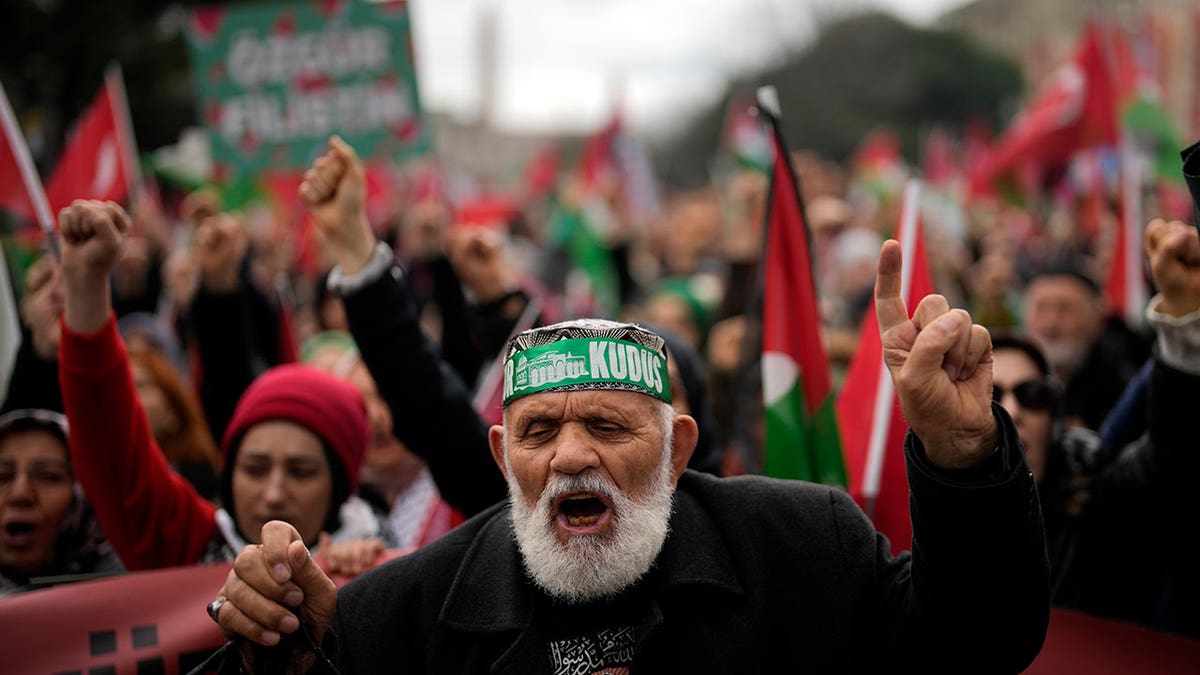
Anti-Israel sentiment is pervasive in Turkey, with a June Pew Research poll indicating that 91% of Turks view Israel unfavorably. This sentiment extends beyond leadership to the broader population.
Amid questions about the State Department’s response, a spokesperson acknowledged Turkey as a “valued NATO ally” and emphasized the importance of engaging on their multifaceted relationship. There are avenues for diplomatic action, Ciddi suggested, including direct demands for apologies from Turkish counterparts.
As the NATO summit concludes, Turkey aims to position itself as a premier ally, potentially overshadowing the need to address its human rights record. It remains critical to hold member states accountable for threats to democratic norms.
The Turkish Embassy in Washington, D.C., did not respond to requests for comment. Beth Bailey, contributor at Fox News, focuses on the UN, global antisemitism, and conflict regions.
Leave a Reply