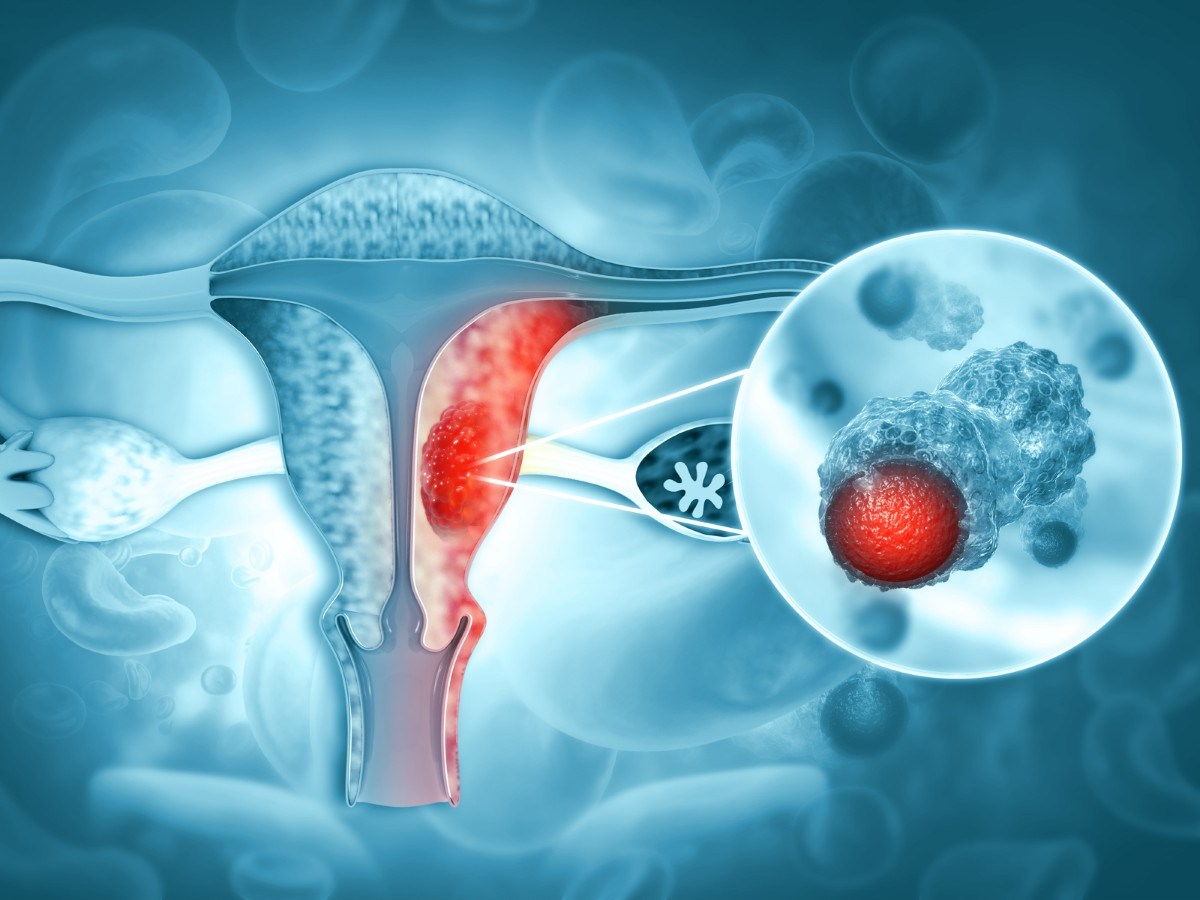
Endometrial cancer cases are climbing among young women, particularly in Native American and Hispanic groups. Researchers at the University of Arizona Cancer Center observed earlier diagnoses in these groups compared to others. Disparities in healthcare access and socioeconomic factors like food security and obesity may contribute to this trend.
Obesity is a known risk factor for endometrial cancer. Minority communities often face higher rates of food insecurity and less access to healthy foods. These challenges lead to adverse health outcomes, including diabetes and cancer.
Melissa Herbst-Kralovetz, study author and director of the Women’s Health Research Program at the University of Arizona, shared her insights with Newsweek. She noted, “We found that Native American and Hispanic women were diagnosed eight to 12 years younger than non-Native and non-Hispanic white counterparts.” This challenges the notion that endometrial cancer affects only postmenopausal women.
The study, published in Cancer Medicine, highlights the national impact of endometrial cancer. According to the American Cancer Society, over 68,000 women are affected annually, with more than 14,000 fatalities. Early intervention is crucial due to the challenge of treating advanced cases with standard chemotherapy.
Study Findings
The study evaluated 261 women undergoing gynecologic surgery between 2016 and 2021 at Banner University Medical Center Phoenix. Among these, 168 had endometrial cancer. Native American women were typically diagnosed at age 49.8, and Hispanic women at 53.7, compared to white women diagnosed at 62.
Diabetes was more common among Native American and Hispanic women in the study. Although body mass index (BMI) showed no differences among groups, this result “stood out” to the research team. Herbst-Kralovetz emphasized the need for understanding metabolic health’s role in endometrial cancer, and its interaction with environmental and genetic factors.
Hispanic women faced higher social vulnerability, based on the Arizona Social Vulnerability Index. This index assesses factors like socioeconomic status, housing, transportation, and household characteristics. Hispanic women experienced more household crowding and less vehicle access. These factors impact healthcare access and cancer outcomes.
“Social and economic factors drive cancer outcomes,” Herbst-Kralovetz noted, emphasizing the importance of broader societal influences on health.
Reasons for Rising Cases
Michael Wilson, an assistant professor of oncology at Wayne State University, highlighted obesity and diabetes as key risk factors for endometrial cancer. These conditions are increasingly common. Obesity may contribute to cancer risk by encouraging estrogen production, affecting the endometrial lining.
Emerging research suggests social vulnerability, potentially through chronic stress-related pathways, may influence cancer incidence and outcomes. Some studies even explore whether certain hair products with endocrine-disrupting chemicals might be linked to cancer. Other environmental exposures to such compounds require further study.
Next Steps
Wilson urged more research into how social vulnerability impacts cancer incidence and outcomes. He noted the historical underfunding of endometrial cancer research and expressed hope that studies like this will draw attention to this public health issue.
Herbst-Kralovetz advised women, whether premenopausal or postmenopausal, to seek medical advice if experiencing abnormal uterine bleeding, a primary symptom of endometrial cancer.
Her team is working on a self-collected vaginal swab test for early cancer detection. This test aims to overcome barriers for women in remote areas, providing vital access without requiring long-distance travel.
For rural and tribal communities with limited specialist access, this test offers a potential breakthrough in cancer care accessibility and outcomes.
Leave a Reply