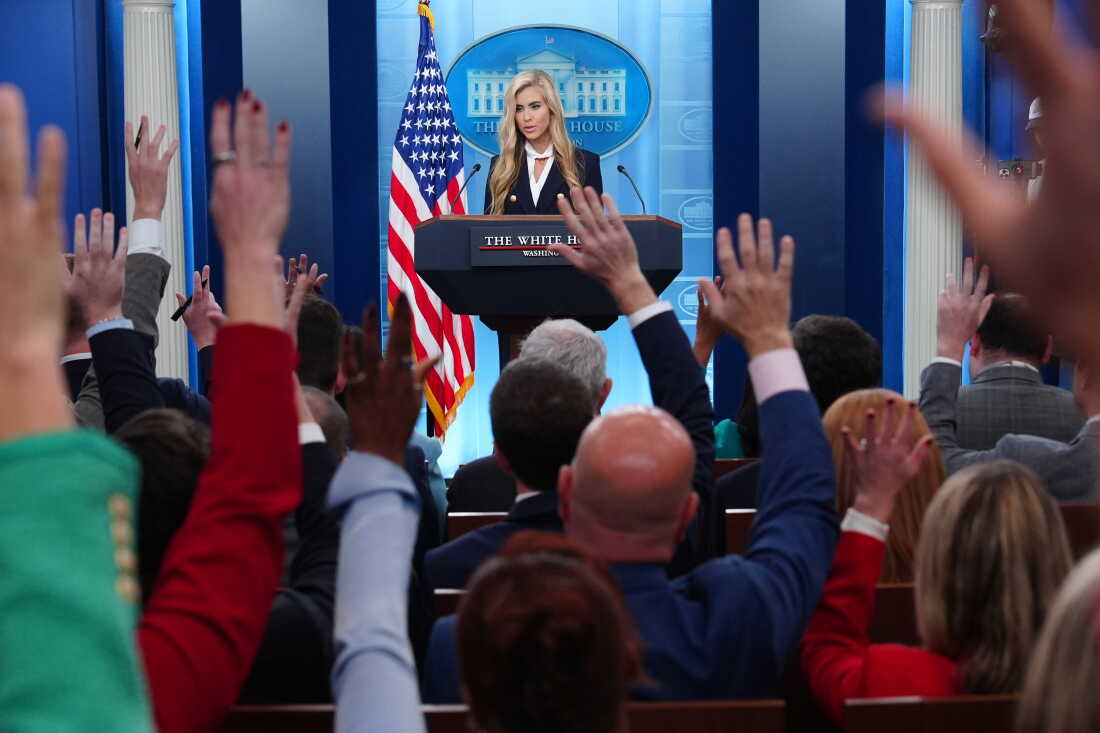
The White House press secretary plays a vital role in any administration, serving as one of the most significant public-facing figures. Despite this importance, the position lacks a formal job description, required qualifications, or congressional vetting. The press secretary can be dismissed as rapidly as appointed.
For nearly a century, a designated individual has spoken on behalf of the U.S. president, becoming an essential link between the White House and the public. Former Pentagon Press Secretary John Kirby, who served under the Obama and Biden administrations, highlighted the dual accountability. He stated, “You are expected to be the president’s voice and sometimes the president’s face on issues on a daily basis, which means you have to have access to the president.” This role demands a balance of representing the president’s thoughts and answering the public’s queries.
A press secretary must maintain honesty and transparency with the American people, as emphasized by Kirby. While responding to questions from reporters, they must swiftly provide accurate information. The recent term of Katie Zacharia exemplifies the challenges of this role. Fired after less than a week, her first briefing raised concerns due to limited engagement and a reliance on scripted responses. Notably, she inaccurately claimed to be an attorney, which further scrutinized her suitability.
While a legal background isn’t mandatory, a press secretary needs to confidently interact with the media. Historical examples demonstrate varied approaches. Sean Spicer, during Trump’s administration, frequently clashed with reporters and became known for controversial statements, such as disputing factual disagreements. His tenure inspired comedic portrayals, notably on NBC’s “Saturday Night Live.”
The press secretary position, not designated by Congress, follows a tradition dating back to the late 1800s when journalists regularly covered the White House beat. In 1929, George Akerson became the first official White House press secretary under President Herbert Hoover. Since then, 37 individuals have assumed the role, including groundbreaking appointments like Dee Dee Myers as the first female press secretary in 1993 and Karine Jean-Pierre, who, in 2022, became the first Black and openly gay individual in the role.
Security risks have been a reality too. James Brady, serving under President Reagan, was wounded in a 1981 assassination attempt, leading to the press room being named in his honor. Conversations in the briefing room often resemble “intellectual chess” according to Ari Fleischer, a press secretary under George W. Bush. The task of deciding what not to say remains one of the most challenging aspects of the position.
Leave a Reply