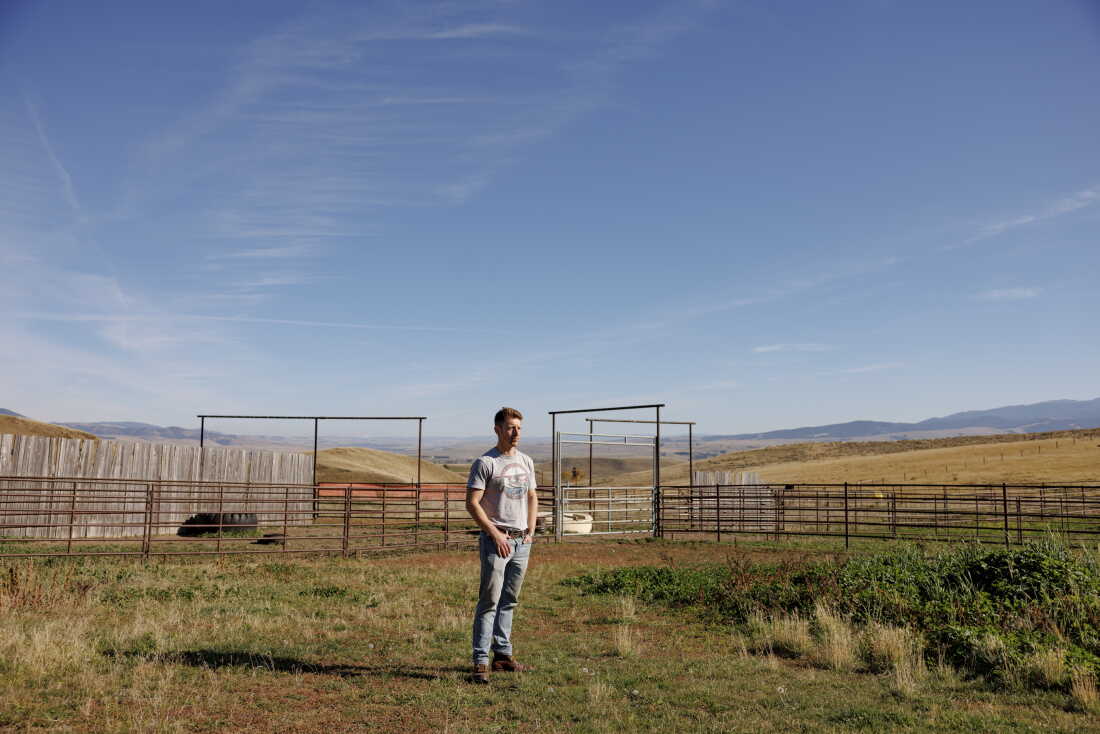
Sam Forstag, once a U.S. Forest Service smokejumper, now seeks to transform the political playing field by contesting a House seat in Montana’s 1st congressional district. Forstag aims to draw on his unique experiences and connect with voters facing similar economic pressures.
Reshaping Montana’s Political Landscape
Across the Great Plains, Upper Midwest, and Deep South, there’s a surge of Democratic candidates using progressive economic populism to tap into voter frustration. Many believe the economy and government fail to serve the working class. In states Democrats have struggled in, these candidates see a chance to regain lost ground.
Forstag highlights his past as a smokejumper earning $19 an hour, reflecting on rising home costs and broader economic struggles. Following President Trump’s significant cuts to Forest Service jobs, Forstag decided to challenge his Congressman, Ryan Zinke. “I got crickets,” Forstag said, explaining why he entered the race to protect his colleagues.
Economic Pressure in the District
The Montana housing market has become one of the least affordable due to an influx of wealthy transplants. This, along with rising prices for essentials like food and health insurance, has intensified voter dissatisfaction.
Forstag, alongside former Montana Senator Jon Tester, notes the Democratic brand’s decline in Montana, previously a competitive state politically. Rising costs and international tensions might prompt voters to reconsider their political alliances.
Connecting with Rural Voters
Forstag meets farmers and ranchers, including event host Sue Peterson, who believes Democrats often fail to connect with rural voters. Forstag argues for a change in leadership rather than superficial messaging shifts, criticizing the longstanding political status quo.
With endorsements from both progressive and moderate wings of the Democratic Party, Forstag’s campaign resonates with those desiring change. Georgetown’s Professor Michael Kazin observes that populist language may unite varied Democratic-leaning groups.
The Prairie Populism Movement
This movement, reminiscent of late 19th-century politics, rallies against corporate monopolies. It’s gaining traction as candidates in states like Iowa, Arkansas, and Wisconsin embrace the prairie populist identity.
In Iowa, for example, Senate candidate Josh Turek brands himself a “common sense prairie populist,” focusing on economic justice issues. In Kansas, Rev. Adam Hamilton appeals to civic ideals, urged by historical allegories like the “Wizard of Oz.”
Voices of Change
State party chair Jane Kleeb emphasizes competing earnestly across more regions, rather than overly focusing on select battlegrounds. She sees a broader strategy leading to meaningful influence in the Senate.
Republican Aaron Flint, Forstag’s opponent, also appeals to economic dissatisfaction, citing concerns about potential tax hikes under Democratic leadership. Nonetheless, figures like Nicholas Babcock, a voter jaded by past disappointments, remain hopeful for new political paths.
Forstag’s campaign represents a chance to leverage populist sentiment in a bid to alter Montana’s political dynamics.
Leave a Reply