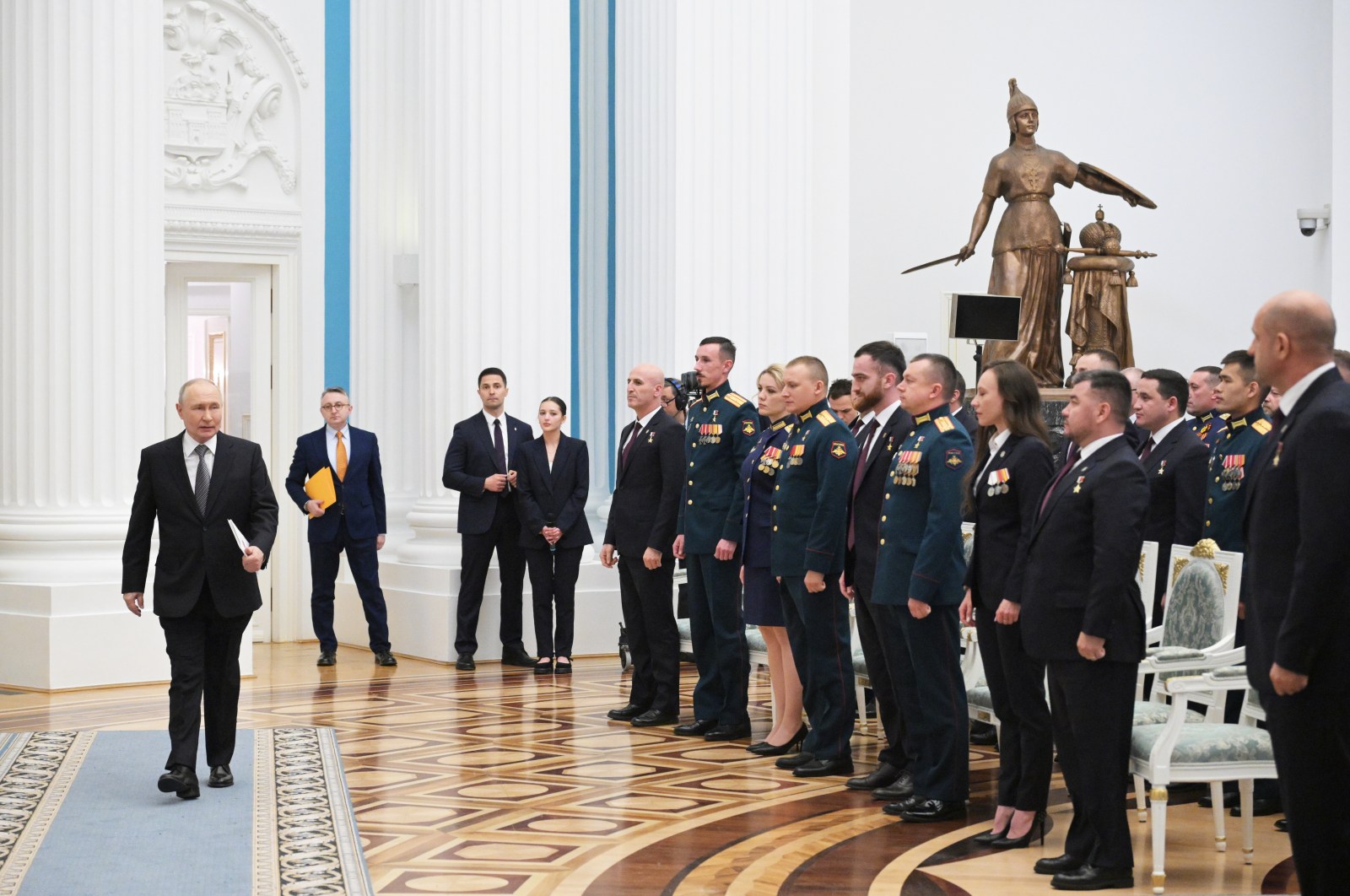
Russians are casting their votes today to elect a new parliament, marking the first such election since President Vladimir Putin initiated military actions in Ukraine. The landscape has changed significantly since the last State Duma elections five years ago. The ongoing conflict, referred to as the ‘special military operation,’ influences every sector, aligning the nation’s industry, economy, and legislation to the demands of war. Putin wants a government that reflects this wartime ethos.
Veterans in Politics
Over 180 candidates with ties to the conflict are registered for the election—many are veterans of the Ukraine operations. Putin has publicly stated that these veterans should become leaders in Russia’s future, creating pathways for them into prominent political and corporate roles.
This strategy serves multiple purposes. It reinforces the operation’s legitimacy and ensures parliament’s support for ongoing wartime measures. Moreover, it provides veterans with enhanced social standing in a society with a growing veteran population. However, the plan carries risks. The loyalty of these individuals is not guaranteed.
Predictable Outcomes in a Controlled Election
Putin’s United Russia party is almost certain to win. Opposition candidates from the Yabloko party, known for their anti-war stance, have been excluded from the federal ballot. United Russia is set to secure the majority of the seats needed for a constitutional majority.
Polling suggests war support is high; 68 percent endorsed military actions in August. However, a NEST report highlights underlying dissatisfaction; many Russians blame the conflict for economic woes, with significant numbers advocating for redirected military funds toward domestic welfare.
A Permanent Party of War
A newly elected parliament will serve into the next decade, potentially beyond the 2030 presidential elections. This institution is expected to back further military endeavors and domestic control—an aim not limited to winning the current election.
Veterans are becoming a crucial constituency for United Russia to appease. ‘Time of Heroes,’ a program launching in March 2024, is spearheading efforts to integrate veterans into governance and education system roles, fulfilling Putin’s directive.
Reports indicate 1,586 veterans or participants in the special military operation are candidates across various electoral levels, including 186 in the State Duma race, reinforcing their representation.
Potential Challenges from Within
History shows the potential pitfalls of empowering veterans too much. Critics point out that boosting their political and social status might backfire. Veterans may become discontent as the protracted conflict and unclear victory prospects wear on.
The Yevgeny Prigozhin episode illustrates the risks. Prigozhin’s Wagner Group played pivotal roles in conflict zones but eventually turned against government figures, making significant strides toward Moscow before a truce halted progress.
Voices of Discontent
Several veteran candidates have already expressed dissatisfaction. Individuals such as Communist Anton Shilov critique the fairness of campaigns and the weight of economic disparity exacerbated by the war. Others criticize how the conflict is managed.
These grievances present risks if they converge into political movements. As economic strains intensify, it may become increasingly challenging for Putin to sustain public support.
Control and Containment
United Russia and the Kremlin anticipate management challenges concerning a large veteran presence in Parliament. Initial discussions about forming a veterans committee were dismissed over concerns about dividing parliamentary unity.
Analysts like Farida Rustamova believe these concerns may be overstated. She argues that the Duma’s role remains largely ceremonial, readily executing the Kremlin’s directives. Veterans in parliament can enhance propaganda without forming independent power bases.
Yet, the average citizen bears the brunt of this situation. Near-term oppressive measures have been temporarily relaxed leading up to the elections. However, unpopular decisions, including new taxes and budget cuts, loom ahead.
Leave a Reply