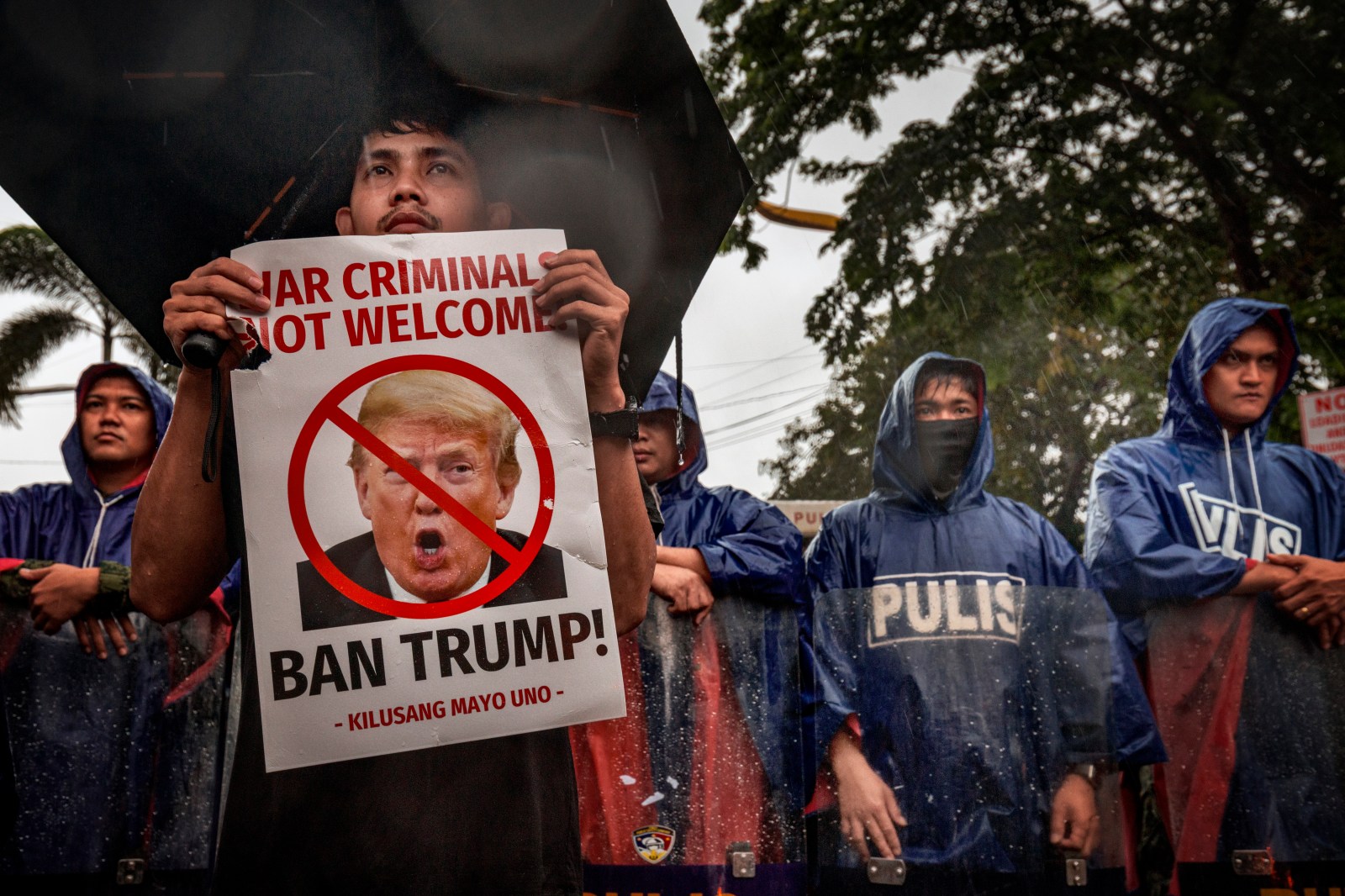
Protests are set to occur before President Trump’s visit to Manila. His visit next week is for the Association of Southeast Asian Nations (ASEAN) Summit. The White House aims to secure an international artificial intelligence supply-chain agreement.
The summit will take place from November 16-18. Trump plans to meet with Philippine President Ferdinand Marcos Jr.
Understanding the Pax Silica Deal
The initiative, launched last December, is known as the State Department’s “flagship effort on Super Intelligence (SI) and supply chain security.” Its goal is to advance economic security among allies. The name derives from “pax,” meaning peace, and “silica,” referring to silicone used in computer chip production.
The initiative aims to build trust among allies by accelerating AI development and securing the international supply chain. This especially involves semiconductors, chip manufacturing, and mineral production. It also plans to invest in industry to boost the global AI economy.
According to the State Department, the AI revolution is transforming the world economy and global supply chains. They believe economic value and growth will occur through new energy demands, critical minerals, manufacturing, and technological hardware.
The U.S. and over 20 allies aim to secure innovation. They will protect technologies and infrastructure from undue influence or control.
Impact on Indigenous Aeta Communities
The deal has caused concern among Philippine communities. They worry about environmental and human rights impacts from advancing the AI industry. Grassroots organizations have held protests throughout Philippine cities.
Students recently demonstrated against U.S. investment in AI data centers. Members of GABRIELA, a political group for women, protested Trump’s visit and the proposed Pax Silica. Their posters demanded the shutdown of the deal, stating “Philippines Not For Sale.”
GABRIELA argues that the U.S. is converting the Philippines into a militarized industrial zone. They accuse it of taking land from ancestral lands and farming communities. The change forces local workers into low-wage jobs. They also claim the U.S. pockets profits from these facilities.
University students in Manila, led by the New Patriotic Alliance (BAYAN), plan to protest Trump’s visit. The University of the Philippines student group UP Stand Against Pax Silica opposes foreign-controlled industries. They want a focus on nationalist, scientific, and community-oriented goals instead.
The Pax Silica deal could bring foreign investment to the Philippines. It could enhance the country’s industrial and mineral capabilities. However, environmental concerns trouble grassroots groups and indigenous communities. These groups, such as the Center for Environmental Concerns, oppose foreign control over local resources.
They warn that the project threatens thousands of acres of ancestral lands, cultural survival, and livelihoods.
When Will the Pact Be Signed?
Philippines Department of Trade and Industry Undersecretary Ceferino S. Rodolfo stated the deal won’t be signed at the summit. Many key players prefer not to compete with the summit’s diplomatic agenda.
He mentioned that other regional initiatives deserve the focus during the ASEAN summit. Rodolfo believes the deal will be signed by the year’s end.
U.S. Ambassador to the Philippines Lee Lipton confirmed the deal’s signing was never intended for the summit. Discussions will continue with the Philippine government.
They expect thorough discussions on the impact on all stakeholders and hope to work alongside the Philippines.
Timeline for Pax Silica
At the inaugural Pax Silica summit, several countries, including Japan and the UK, joined. More countries, like the Philippines and the European Union, joined by 2026. Additionally, 54 countries signed the AI Opportunity Statement to promote a cooperative AI growth approach.
Under Secretary of State for Economic Affairs Jacob Helberg announced the opening of a tin refining plant in Virginia by 2027. It’s a collaboration with the Democratic Republic of the Congo.
This partnership is part of the Pax Silica and the U.S.-DRC Strategic Partnership Agreement.
Newsweek has reached out to the White House and involved organizations for comments.
Leave a Reply