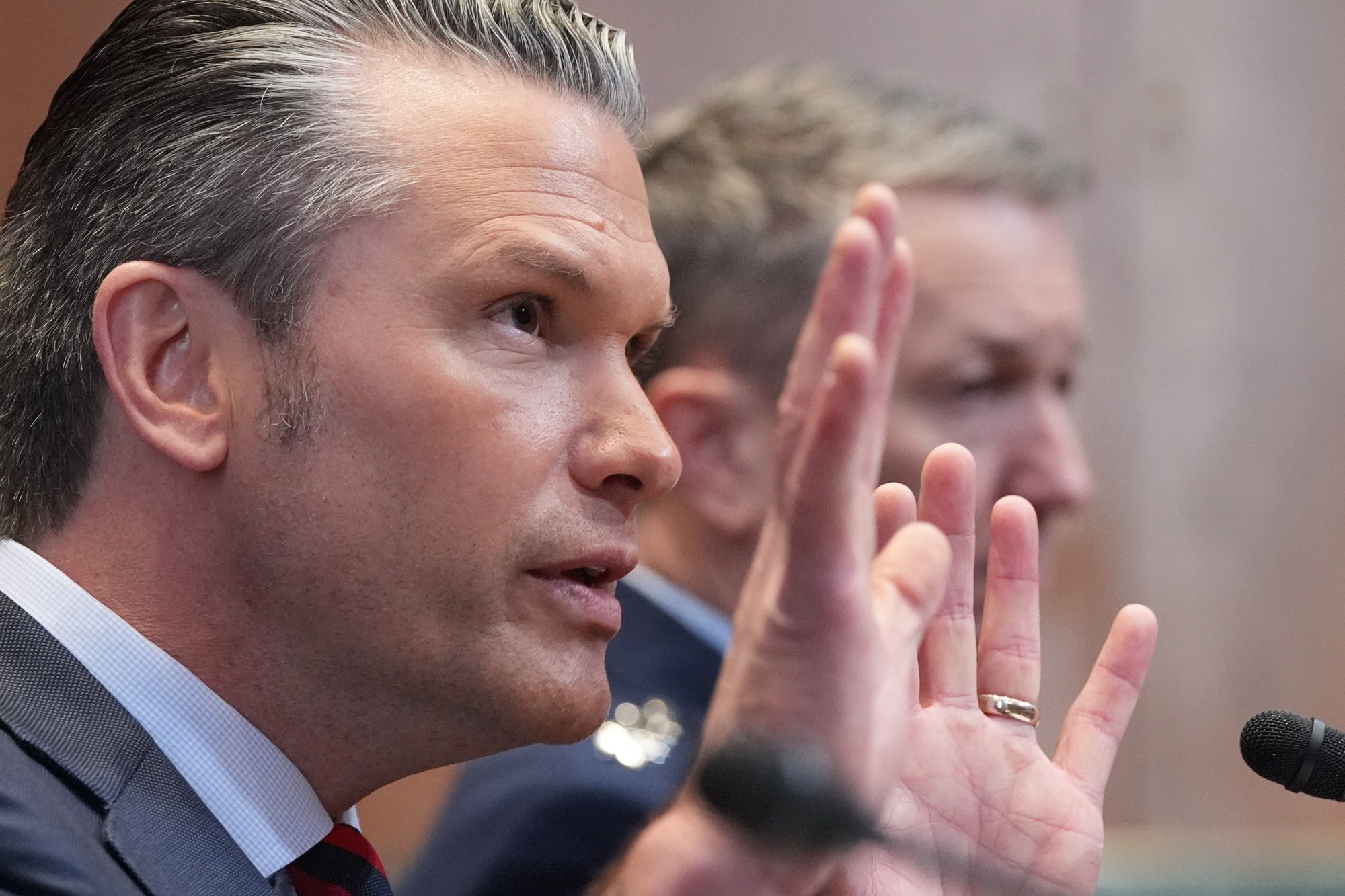
Defense Secretary Pete Hegseth testified before a Senate subcommittee regarding a $1.5 trillion defense budget request. He painted a dire picture if Congress failed to pass the full budget. Hegseth’s testimony emphasized elevated threats and worst-case scenarios.
In contrast, the House recently approved the fiscal 2027 National Defense Authorization Act alongside the Trump administration’s latest reconciliation bill. Critics argue this inflated budget weakens the U.S. by misaligning spending with strategic goals.
Lawmakers resist cutting specific weapons or defense programs, despite the budget’s lack of alignment with strategic objectives. The budget funds outdated systems like the B-1B bomber, which has high operational costs, and the Minuteman III missile, which poses first-strike vulnerabilities.
Policymakers are also pushing for unnecessary additions, such as the development of battleships and missile defense systems regarded as ineffective and potentially hazardous. These resources could instead support essential military investments like munitions production.
The Trump administration minimizes concerns about long-term costs, primarily from federal borrowing. This perspective suggests increased defense spending doesn’t affect ordinary Americans, avoiding tax increases or social services cuts. However, these costs will burden future generations.
Past expenditures, like those for the Global War on Terror and the Iraq War, resulted in significant borrowing. Continuing this trend forces future choices between massive social program cuts, tax hikes, or reducing defense spending.
Critics argue the high defense budget proposed by Trump and Hegseth will harm the nation’s economic and national security. Defense spending is considered the least economically effective federal expenditure. Proponents point to a small GDP percentage dedicated to defense, but overlook that these billions might be better invested in other priorities.
For genuine economic and national security, the Trump administration and Congress should trim the defense budget, reducing America’s overseas commitments. This strategy would avoid costly involvements and bolster economic power. Economic strength is vital for security, as it finances weapon production and infrastructure necessary for military logistics.
Ultimately, the U.S. government should refine its priorities, cutting wasteful defense spending to focus on domestic needs and national security.
Benjamin D. Giltner is a defense and foreign policy analyst at the Cato Institute.
Leave a Reply