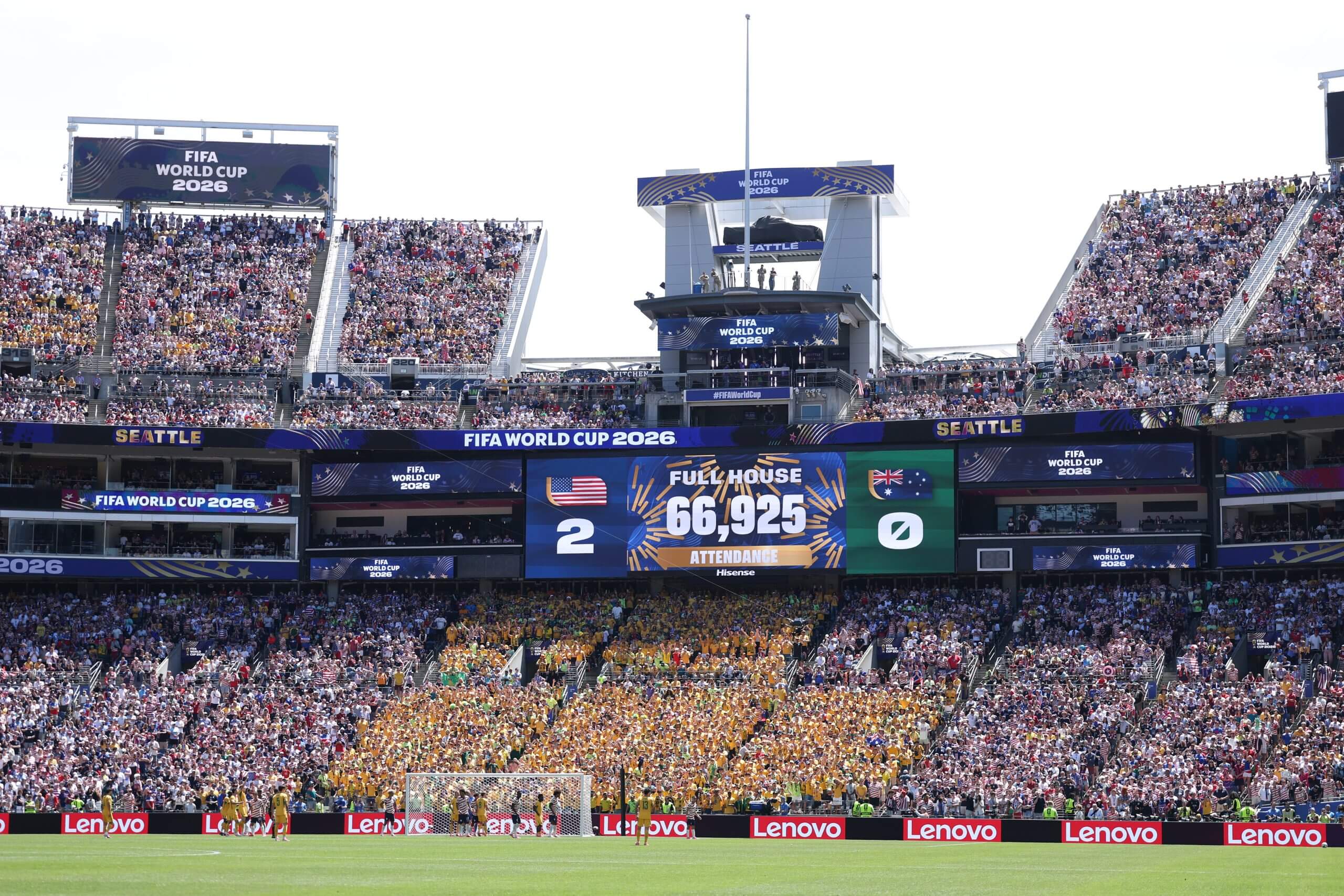
Seattle’s June beauty often eludes its residents. Locals are familiar with overcast skies, unpredictable rain, and adjusting daily attire based on the irregular weather. While traditionally summer commences around July 5, this year proved different. Clear skies and warm temperatures, peaking at 75 degrees, created a vibrant urban backdrop as the city welcomed World Cup festivities.
The city prepared diligently for the event, ensuring it would capture attention, even if the weather didn’t cooperate. On a recent Friday afternoon, Seattle witnessed the U.S. Men’s National Team’s victory over Australia, clinching a Round of 32 spot and showcasing Seattle as a premier World Cup host for the first time.
The Atmosphere in Seattle
Pier 62 and its adjacent picturesque watch-party site swelled with visitors long before sunrise. Pioneer Square transformed into a bustling area, enriched with events like Juneteenth celebrations, a Seattle Mariners game against the Boston Red Sox, docking cruise ships, and approximately 10,000 Australian fans. Such an amalgamation of activities rarely occurs in pre-summer Seattle but felt fitting for the occasion.
Adrian Hanauer, the Seattle Sounders FC’s majority owner, reflects on the journey to becoming a top soccer market in North America. Previously, the Sounders operated on a smaller scale, navigating minor leagues and overcoming financial losses. Hanauer’s decisive leadership, alongside a $30 million investment in 2007, paved the way for the Sounders’ MLS debut in 2009, highlighting a successful franchise launch.
Seattle’s Soccer Legacy
Seattle’s soccer aspirations preceded its current successes. Lumen Field, stripped of its corporate identity for the World Cup, first opened in 2002. The stadium funding pitch convinced stakeholders to consider the potential for hosting global soccer events like the World Cup. Fred Mendoza’s efforts played a crucial role, leveraging Seattle’s passion for soccer to ensure the new venue could host international matches.
During the night of the U.S. victory against Australia, the Seattle Stadium witnessed an enthusiastic turnout of 66,925 spectators. The event underscored the organic development of soccer culture in the city, now fully realized as a prominent feature of Seattle’s identity.
A Prominent Soccer Culture
Seattle’s journey into a soccer town reflects the broader growth of the sport in the U.S. Kasey Keller, a native of nearby Olympia and a former World Cup goalkeeper, attributes Seattle’s early embrace of soccer to the sport’s lasting impact in the city. The Sounders’ entry into MLS built upon an already existing foundation, created by a deeply invested community.
Hanauer’s commitment to soccer in Seattle is evident. The successful hosting of the World Cup has further legitimized the hopes for a lasting impact in American soccer. While Hanauer humbly deflects prophetic claims, his vision aligns with Seattle’s continued pursuit of future World Cup opportunities.
As the city basks in newfound recognition, Seattle stands as a testament to American soccer’s progression over recent decades. Hanauer remains committed to future endeavors, pondering how Seattle and the U.S. might again host the world.
Without any guarantees, Seattle showcased its dedication and preparation, radiating pride and enthusiasm long before the sun’s arrival.
Leave a Reply