If you have been diagnosed with plantar fasciitis, closely examining your footwear is crucial. Dr. Priya Parthasarathy, a podiatrist at the Foot & Ankle Specialists of the Mid-Atlantic, emphasizes the importance of wearing supportive, well-structured shoes as part of your treatment plan. The wrong footwear can increase your discomfort and prolong recovery.
When selecting sneakers for plantar fasciitis, look for key features: arch support, a deep heel cup, a firm heel counter, a thick sole, a rigid yet flexible feel, a stable base, and removable insoles. These elements can make sneakers more comfortable instead of aggravating the condition.
Finding the Right Sneakers
No single sneaker is best for everyone with plantar fasciitis, according to Parthasarathy. Personal preferences such as arch type, foot width, and fit play a role in choosing appropriate shoes. Below is a curated list of podiatrist-recommended sneakers designed to help those with plantar fasciitis, suitable for both everyday wear and exercise. They meet critical criteria set by experts and are available in various sizes for both men and women.
Sneakers with the American Podiatric Medical Association’s Seal of Acceptance have met specific health criteria, although not all quality shoes carry this seal. Consider shoes that fit your needs, even if they are not reviewed by the APMA.
Best Sneakers by Arch Type
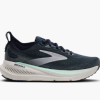
- Neutral Arches: Brooks Glycerin sneakers offer comfort and stability, benefiting those with neutral arches and plantar fasciitis. Ample foam in the heel and forefoot provides shock absorption and a spring-like boost during movement.
- High Arches: The Hoka Bondi 9 features a rocker-shaped outsole, reducing stress on the plantar fascia. While providing substantial cushioning, this shoe may not suit those with balance issues.
- Flat Feet: Brooks Adrenaline GTS sneakers are ideal for overpronators with flat feet. GuideRails technology helps maintain alignment by restricting excessive ankle movement.
Additional Recommended Sneakers
- Slip-Ins: Skechers Aero Burst sneakers are designed for easy wear and comfort, offering a firm heel counter and HeelPillow-padding for secure fit.
- Walking: Hoka Clifton sneakers provide a balanced foam feel, suitable for various foot types and activities.
- Neutral Running: New Balance Fresh Foam X 880v15 offers a cushioned yet firm feel, designed for running or walking with neutral arches.
- Stabilizing Running: Asics Gel Kayano 32 provides maximum shock absorption and stability, recommended for runners with flat feet or neutral arches.
- Everyday Wear: New Balance 990v6, endorsed by Pourziaee, combines firm heel support and overall sturdy construction, suitable for daily activities.
Essentials of Sneaker Selection
To ensure sneakers support plantar fasciitis, consider the following features:
- Arch Support: Determine your arch type before shopping. Choose shoes specific to your arches to avoid discomfort.
- Deep Heel Cup: Provides crucial support and shock absorption around the heel, mitigating pain.
- Firm Heel Counter: Offers stability and restricts excess heel movement, preventing strain.
- Well-Cushioned Midsole: Essential for reducing impact on inflamed ligaments, particularly around the heel.
- Structure with Flexibility: Ensure shoes support a natural gait cycle with some flexibility, especially at the ball of the foot.
- Removable Insole: Allows the addition of orthotics or better insole options for personalized support.
Podiatrists recommend selecting sneakers based on specific activities, ensuring the right support for each task. Rotating shoes every 300 to 500 miles maintains optimal foot support. Inconsistent or unsupportive footwear can exacerbate plantar fasciitis.
Treatment and Footwear Advice
Treating plantar fasciitis involves not only wearing appropriate shoes and slippers (indoors) but also incorporating exercises like stretching, icing, and massaging feet. Consider night splints and insoles for additional support. Consult a podiatrist for personalized care and to exclude other conditions.
Avoid wearing flimsy footwear, flats, flip flops, sandals, and high heels, as they lack essential support and can worsen the condition. Always seek expert advice tailored to your specific needs.
Leave a Reply