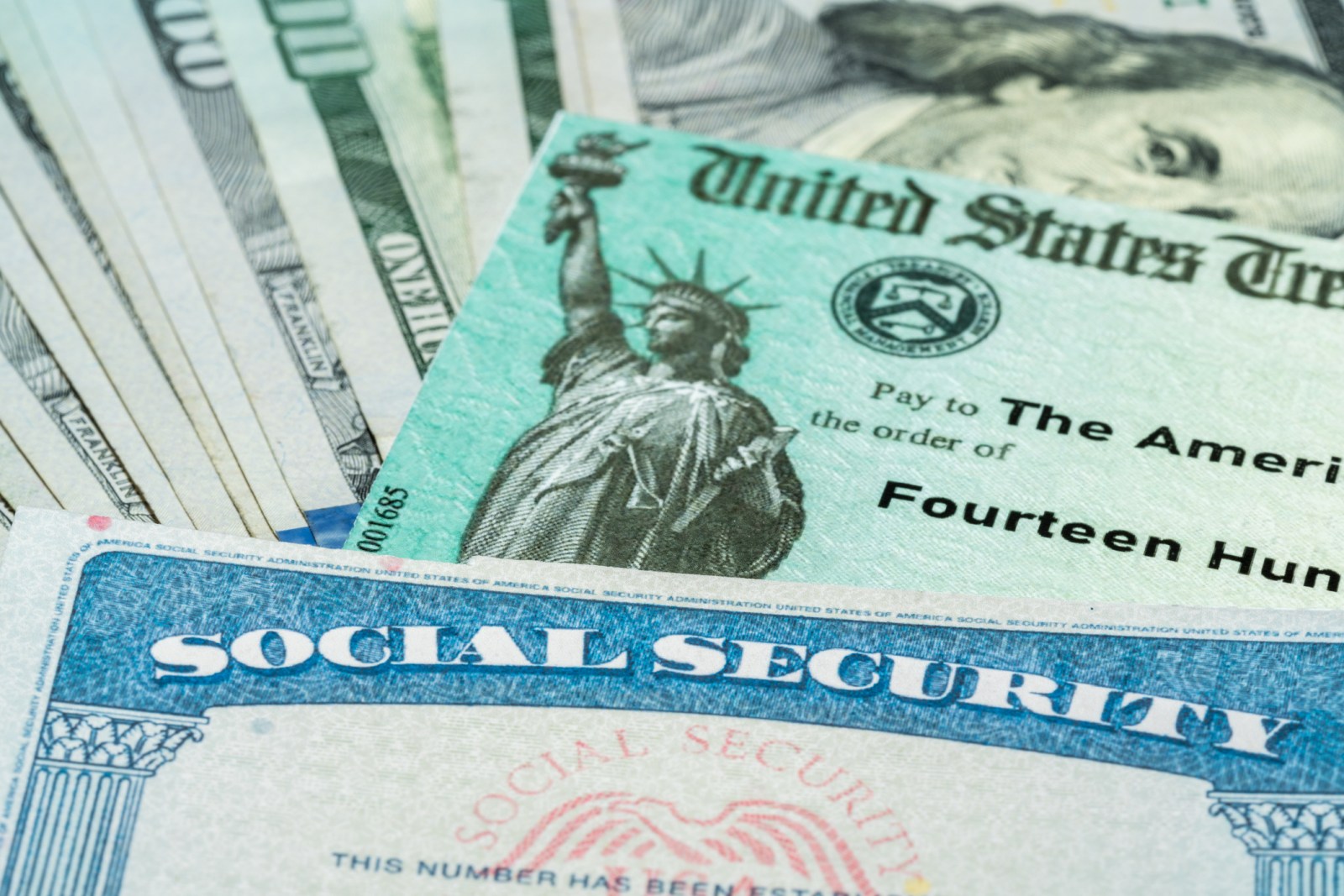
In November, Americans will receive their Social Security payments with some changes due to upcoming holidays and a weekend. The Social Security Administration (SSA) manages payments for nearly 72 million people, including retirees, those with disabilities, and eligible spouses and survivors. Payments are scheduled based on benefit type, claiming start date, and birth date for most recipients. Due to Veterans Day, some beneficiaries will receive their payments earlier than usual. Supplemental Security Income (SSI) recipients will also see early payments.
November 2026 Social Security Payment Dates
Social Security payments will be distributed on the following dates:
- October 30: November’s SSI payment, issued early because November 1 falls on a Sunday.
- November 3: Payments for recipients who started receiving benefits before May 1997 or those receiving both Social Security and SSI.
- November 10: Payments for beneficiaries with birthdays between the 1st and 10th of any month, issued early due to Veterans Day on November 11.
- November 18: Payments for beneficiaries with birthdays between the 11th and 20th.
- November 25: Payments for beneficiaries with birthdays between the 21st and 31st.
2027 COLA and Its Impact
For 2027, Social Security benefits will rise by 3.6%. This increase was announced by the SSA on October 14. The adjustment surpasses the previous year’s 2.8% increase, impacting approximately 76 million Americans receiving Social Security or SSI benefits.
- The average retired worker will see their monthly benefit increase by $75, from $2,095 to $2,170.
- Couples where both partners receive retirement benefits will have their combined payments rise from $3,238 to $3,355.
- Disabled workers will see their average monthly payment increase from $1,642 to $1,701.
- The maximum federal SSI payment for individuals will rise from $994 to $1,029, and for eligible couples, from $1,491 to $1,544.
The COLA is calculated using the Consumer Price Index for Urban Wage Earners and Clerical Workers (CPI-W), an inflation measure by the Bureau of Labor Statistics. The SSA compares the average CPI-W for July, August, and September with the same months in the previous year, determining the following year’s COLA based on this increase.
Concerns About Rising Costs
Some are concerned whether the COLA will offset rising costs. An AARP survey found 76% of Americans aged 50+ felt that a 3.5% COLA was insufficient against rising prices, with the rate among current Social Security beneficiaries at 80%.
“The 3.6 percent COLA raise can make a difference, but it’s also a sign of how much prices have risen due to inflation over the past year. For someone who gets the average Social Security check, that’s roughly an extra $75 a month,” said Tyler End, a certified financial planner and CEO of Retirable.
Timing of Payment Increases
The COLA announcement has been made, but November payments will not reflect the increase. Higher amounts will begin with Social Security payments from January 2027. SSI recipients will receive their first increased payment on December 31, 2026, due to January 1 being a federal holiday.
Recipients will receive personalized COLA notices through my Social Security accounts starting late November. These notices will detail new monthly payments and any deductions, including Medicare premiums.
Leave a Reply