Imagine yourself in the midst of a Spanish bullfight, the excitement palpable as the matador faces down the bull. This is the atmosphere that surrounded the 23rd edition of the men’s World Cup as it reached its climax. After an intense journey spanning 104 games and multiple countries over five and a half weeks, the tournament was down to its final stages. Spain found themselves within reach of glory, holding onto the ball like a prized possession, much to the frustration of their opponents.
In those crucial moments, Spain displayed the disciplined possession-based football that has defined their recent success. Their opponents, Argentina, felt the pressure mounting, their tempers flaring with each Spanish pass. Argentine coach Cesar Luis Menotti once remarked that Spanish football needed to decide whether it wanted to be the bullfighter or the bull. In recent years, Spain has embraced the role of the bullfighter, mastering the art of possession football.
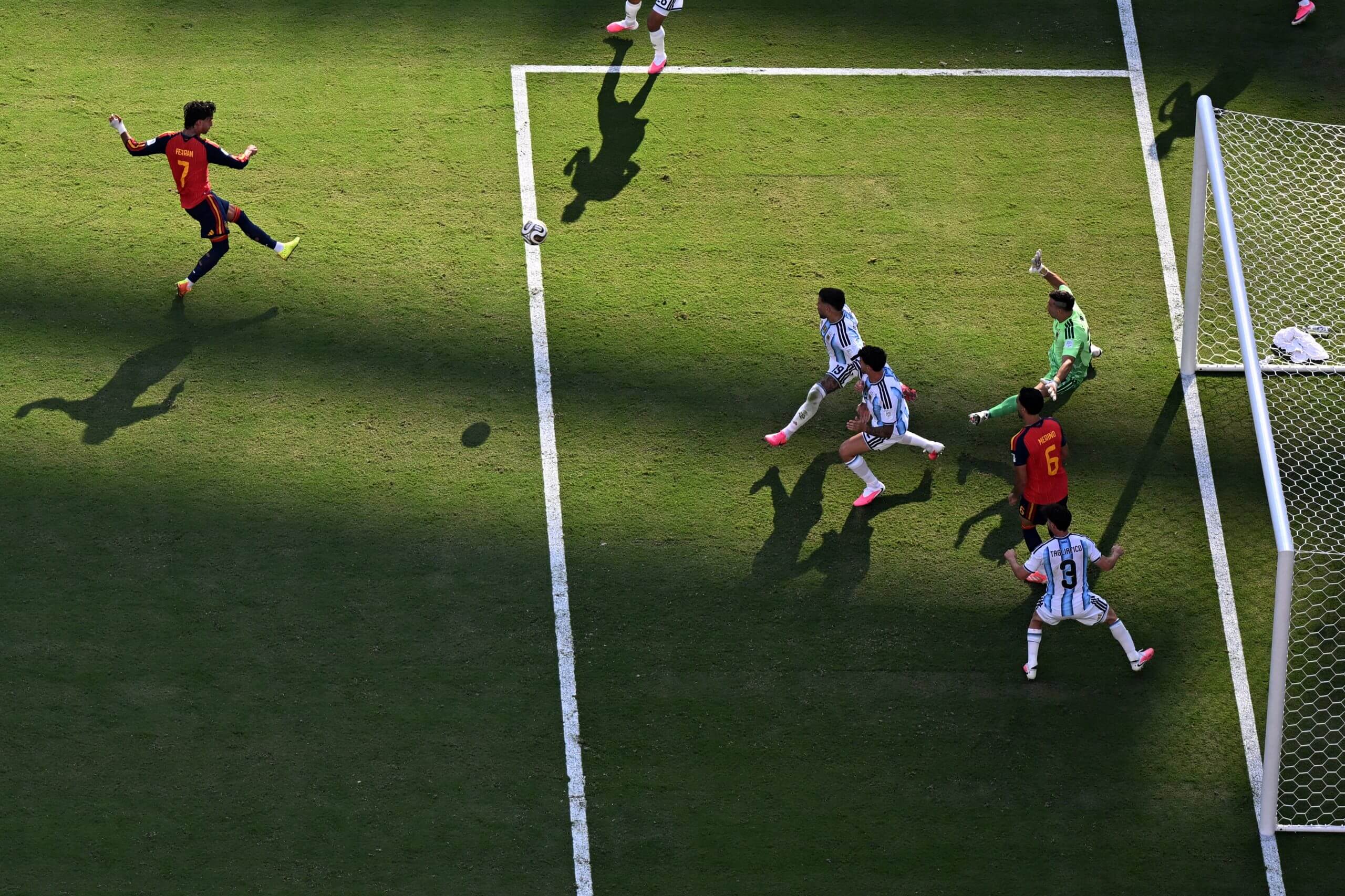
Spain’s win in the World Cup marks a significant milestone in their footballing journey. The country has secured the European Championship three times and now the World Cup twice in the past decade. This transformation is largely credited to their strategic focus on possession-based play. Despite a slow start to the tournament, Spain emerged as the dominant team toward its conclusion. They defeated France 2-0 in the semi-finals and secured a final victory against Argentina after Ferran Torres scored the decisive goal during extra time.
The game against Argentina was a testament to Spain’s strategic and calm approach, in stark contrast to Argentina’s aggressive playing style. While Argentina’s Enzo Fernandez received a red card for a second bookable offense, Spain kept their composure throughout. Their final match performance was reminiscent of previous World Cup finals, particularly the 2010 match against the Netherlands, where Spain once again confronted extreme aggression and triumphed in extra time.
Arsene Wenger, who once compared international tournaments to fast food due to their quick nature and lack of cohesion, might have observed a different story here. Spain’s cohesive identity and playing style set them apart. This team, much like its predecessors, grew organically with a clear game plan. Spanish football places a strong emphasis on development, which has been evident in their coaches and the players’ progress.
Argentina reached the final driven by emotion and the influence of their experienced captain. In contrast, Spain demonstrated a composed and methodical approach. Their success reflects a commitment to sound principles of football, trumping the chaotic style that occasionally plagued Argentina. Amidst the excitement of the tournament, Spain remained a structured and disciplined team, allowing them to dominate their matches.
Spain’s captain Rodri, noted for his exceptional performance, was awarded the FIFA Golden Ball. His resurgence after a serious injury highlighted his importance on the field. In defense, players like Pau Cubarsi and Aymeric Laporte delivered outstanding performances. The team’s unity, along with the remarkable contributions from players across various positions, underscored their collective success.
Beyond individual accolades, Spain’s win underscores a collective synergy inherent in their footballing philosophy. Spanish coaches have influenced global football, with figures like Pep Guardiola and Luis Enrique shaping major clubs. In contrast to the English approach which often seeks quick fixes through transfers, the Spanish model emphasizes a systematic, long-term development of players and technical staff.
Under the guidance of coach Luis de la Fuente, Spain entered a new golden era. De la Fuente, who extensively worked with the development teams, fostered a cohesive environment. Several players, including Unai Simon and Rodri, were groomed under his tutelage in youth championships, contributing significantly to their national team successes.
Despite challenges over the past years, Spain’s dedication to their distinctive style has paid off. In their final match, Spain maintained a staggering 66.2% possession and registered 15 shots to Argentina’s none. Their patience in games, even when heavily criticized for their passing game, ultimately secured their victory.
Not only has Spain claimed the men’s World Cup, but they also hold the women’s title simultaneously. This demonstrates their dominance in football and their successful development strategies. The emergence of gifted players like Yamal, joining the senior squad as a European and now world champion at a young age, showcases Spain’s promising future.
In a tournament often highlighted by individual star performances, Spain’s teamwork stood out. As Luis de la Fuente conveyed to his team, their journey was about making history. And as the tournament concluded, Spain’s disciplined and methodical play ensured that they did just that. Ole! Ole! Ole!
Leave a Reply