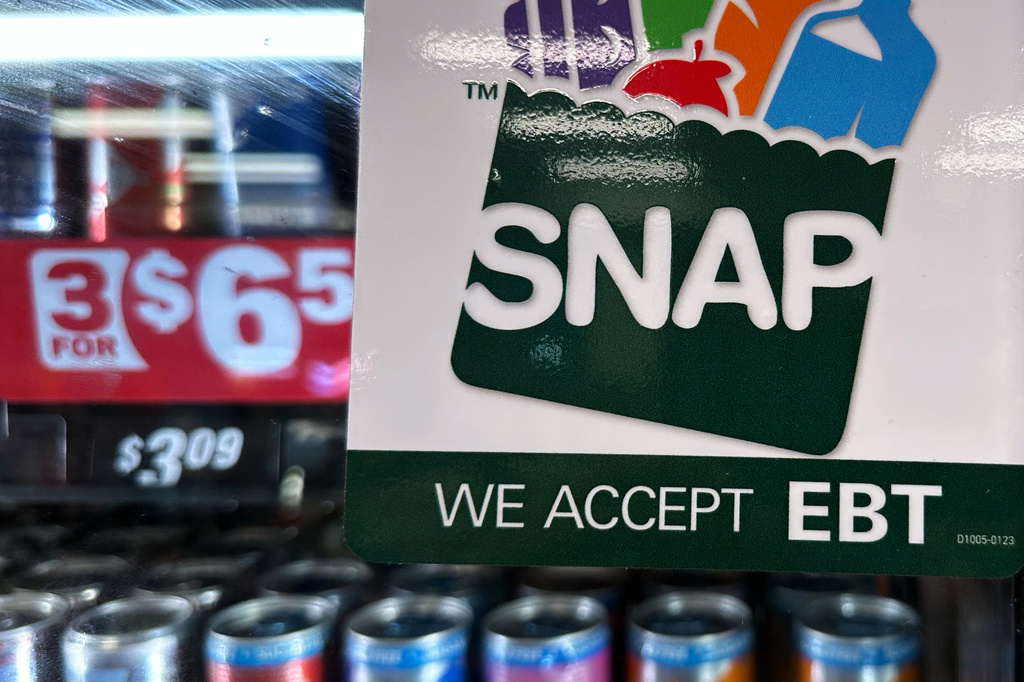
A recent look into the actions of U.S. states revealing how they manage food stamp programs uncovers widespread issues. In New Mexico, an official highlighted a significant loophole that permits states to sidestep one of the most vital welfare reform measures from the Trump administration. This reform is linked to the One Big Beautiful Bill Act, which intends to reduce excessive state spending on food stamps by implementing financial penalties. These penalties will begin in fiscal 2028 if states exhibit a high rate of errors, waste, fraud, or abuse.
Under the new Act, if states recorded significant errors, they would bear up to 15% of benefit costs. However, there is an escape clause: if losses exceed 13.34%, states have the opportunity to rectify their error rates without incurring penalties. This clause arose due to Alaska’s error rate, which was 60.4% in 2023.
New Mexico had an error rate of 14.6% in fiscal 2024, putting it over the penalty threshold. Kozlowski, the state’s official, has suggested efforts to reduce this rate. Nonetheless, the federal report in June 2025 showed that New Mexico’s rate actually rose to 16.8%. This increase makes one wonder if the delays in reform are intentional.
Several other areas like Alaska, Georgia, Oregon, and Washington, D.C. faced similar challenges before the Act. These regions have seen either no improvement or worsening error rates. Illinois and Delaware also spent more improperly from 2024 to 2025. Intriguingly, states like New Jersey showed progress, reducing their error rate from 14.3% to 6.8%. Maryland and New York, though, hover just under the threshold amidst concerns they may revert before penalties activate.
Despite these revelations, some states push for additional delays or repeal of financial penalties, believing Democrats may influence such changes. Notably, the Senate’s farm bill draft proposes a one-year penalty delay, which sparks fear of complacency. Republicans are pressed to maintain these reforms to avoid rewarding negligent states for long-standing inefficiencies.
This issue highlights the significance of accountability in state-managed welfare programs. Without strict enforcement, states may continue inefficient practices, leaving federal taxpayers burdened.
Article by Hayden Dublois, Data and Analytics Director at the Foundation for Government Accountability.
Leave a Reply