The administration of President Donald Trump has intensified efforts to detain and deport family members of active-duty U.S. troops. An investigation by the Associated Press (AP) shows over 50 parents and spouses of service members have been detained since Trump started his second term. At least six have been deported, with one self-deporting.
According to AP findings, the government does not track such detentions, yet at least eight immediate family members remain in federal immigration custody. Historically, military families received protections from such actions. Now, they face detentions lasting months while seeking legal status adjustments, potentially affecting military readiness. The absence of family support causes emotional stress, deployment delays, and unexpected leaves for troops.
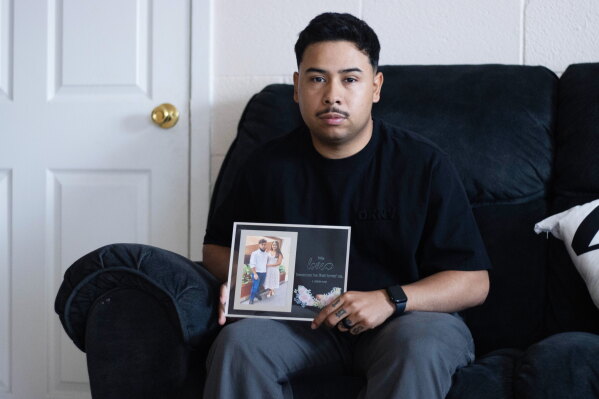
Army Sgt. Hedar Leonel Turcios Juarez, based in Fort Bliss, Texas, describes the personal toll when his wife Cristy was detained in front of their child. Her detention is part of several cases that led Homeland Security Secretary Markwayne Mullin to intervene for some releases.
The Department of Homeland Security (DHS) claims no formal data on these detentions, but AP accessed information through court records and direct verification with families and attorneys. DHS acknowledges that military service does not automatically result in lawful immigration status or protect against immigration law violations.
The Impact on Military Families
Sergeant Wendy Gbeve, whose father was recently deported, shared her struggles tracking his detention and eventual deportation to Mexico. The absence of family members leaves service members like her without crucial support systems when both parents serve.
Army Staff Sgt. Alexis Jaramillo echoes similar concerns. After his wife’s detention at a routine immigration appointment, he found himself on leave, solely caring for their child. The disruption has significant ramifications for both his family and military duties.
Policy Shifts and Military Readiness
The new policy introduced under Trump states that military service alone does not protect family members from immigration law penalties. This contrasts with earlier bipartisan approaches that avoided placing military families into removal proceedings.
Immigration changes have spurred reactions even from Trump’s supporters. For example, Rep. Maria Elvira Salazar advocates for family members facing removal due to previous deportations without timely notice.
Between January 2025 and January 2026, DHS reported detaining 125 military veterans, and placed 34 in removal proceedings. They also arrested over 150 immediate family members.
Challenges of the Parole-in-Place Program
Military recruiters heavily promote immigration benefits like parole-in-place, granting legal status to service members’ families. While these benefits encourage enlistment, recent delays in processing increase vulnerability to ICE actions. The policy began under President George W. Bush and was further established by President Barack Obama.
AP found several cases of families detained while applying for parole-in-place. Marine Cpl. Jose Manuel Vilchis-Valle’s mother was deported during an immigration appointment. Such detentions undermine promises made by recruiters and military benefits, impacting troop morale and family stability.
Specialist Romero Ralios spoke about his father’s detention and the emotional toll it takes. His experience shows how personal ties and military responsibilities can conflict under current immigration policy.
Leave a Reply