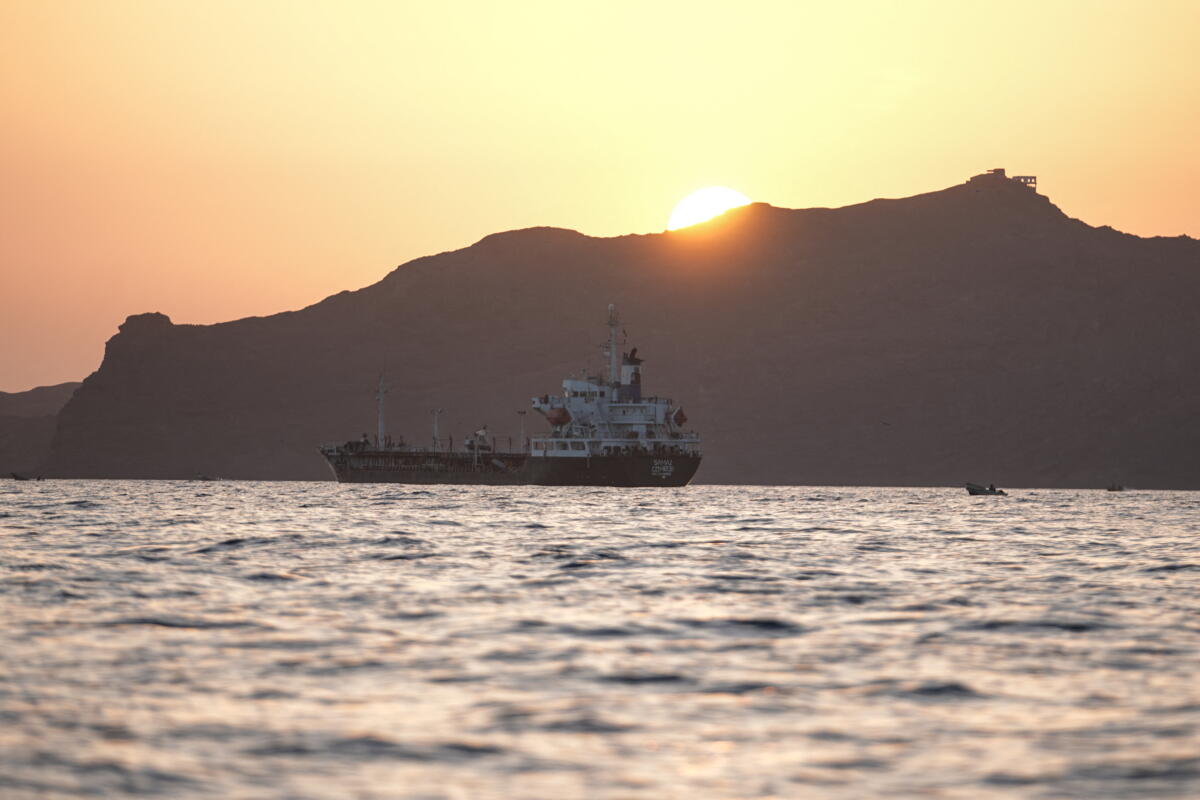
Bab el-Mandeb, Yemen — A humble fishing village, Bab el-Mandeb seems unremarkable, yet it holds a pivotal position by overseeing one of the world’s most crucial waterways. The village is named after the Bab el-Mandeb Strait, which connects the Red Sea to the Arabian Sea, a focal point in the U.S.-Israeli conflict with Iran.
Saleh, a local resident, shares his frustration over the lack of development and investment. Despite the high volume of maritime traffic, the village remains underdeveloped. Saleh’s observations reveal the unrealized potential of the area’s strategic location.
The geopolitical dynamics surrounding Bab el-Mandeb are complex. In January, the village became embroiled in the rivalry between Saudi Arabia and the United Arab Emirates. The Emirates transferred control of Bab el-Mandeb and Perim Island to Saudi Arabia. However, Houthis, supported by Iran, recently seized control of the strait, altering the power dynamics.
The Bab el-Mandeb Strait, also known as the ‘Gate of Tears’, facilitates the passage of about 7% of global energy supplies and up to 15% of global shipping. Control of this area allows the Houthis to potentially disrupt maritime operations, though they claim no intention to attack shipping.
Historical disruptions underscore the global consequences of any blockade. In 2021, a Suez Canal blockage caused significant delays and financial impact. More recently, Houthi actions in Bab el-Mandeb aimed to influence Israel’s actions in Gaza, prompting U.S. intervention and subsequent negotiations.
With the closure of the Strait of Hormuz by Iran, Persian Gulf oil exports are rerouted through Bab el-Mandeb, increasing its strategic importance, particularly for Saudi Arabia. The conflict between the Houthis and Saudis has persisted since 2015, leading to extensive military campaigns and intermittent ceasefires.
The recent Houthi territorial gains in Yemen shocked Saudi Arabia. Despite reaching out for U.S. assistance, efforts have stalled. The U.S. Secretary of State asserted commitment to support Saudi Arabia, yet specifics remain unclear.
Yemeni government voices like Vice President Abdullah Abdulkader al Alimi-Bawzer emphasize the global responsibility to secure Bab el-Mandeb for maintaining supply chains, energy security, and navigation freedom. Houthis have consolidated control, enhancing infrastructure and establishing governance, benefiting from previous Emirati investments.
The Yemeni government’s response has stabilized further Houthi advances, but internal divisions complicate countermeasures. The challenges include Houthi enhancement of military capabilities and Yemeni forces’ fragmented operations.
The strategic landscape around Bab el-Mandeb remains fraught with complex alliances and economic implications, reflecting the global stakes involved.
Leave a Reply