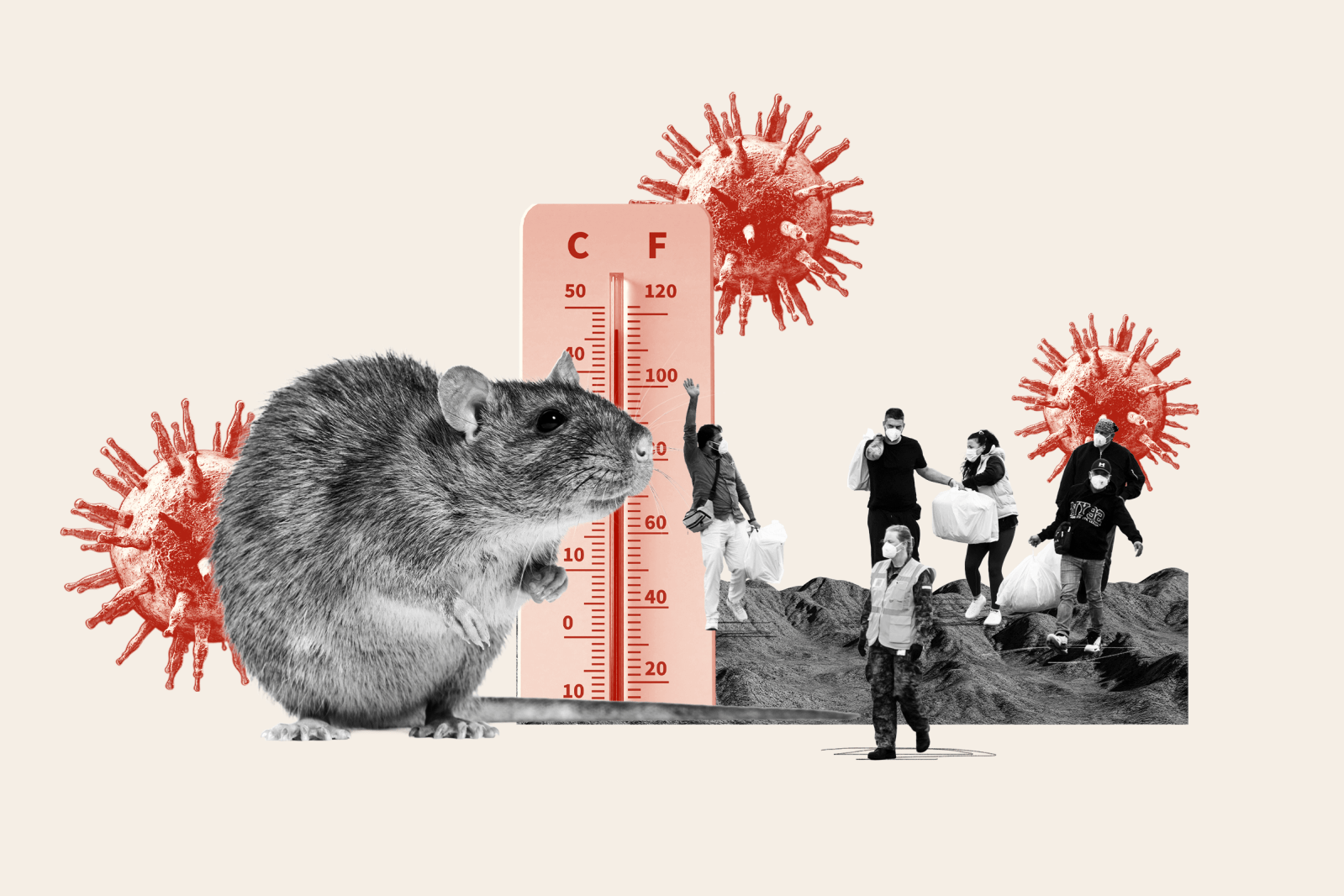
A potential “super El Niño” in the Pacific could alter weather patterns and increase hantavirus cases in parts of the U.S. this summer. Experts caution that it might lead to a rise in rodent populations, which carry the virus.
Recent attention on hantavirus surged with an outbreak linked to the cruise ship MV Hondius. Many Americans lacked awareness of the rare virus before. The outbreak resulted in several deaths and prompted international efforts, including quarantines in many countries. The U.S. Centers for Disease Control and Prevention (CDC) began monitoring hantavirus in 1993 amid a mysterious respiratory illness in the Four Corners region—Arizona, Colorado, New Mexico, and Utah. The culprit was the Sin Nombre strain, unlike the Andes strain from the cruise outbreak.
Historic Outbreak and Surveillance
The 1993 incident identified hantavirus pulmonary syndrome (HPS) and led to national surveillance when health authorities recognized the illness might have been undetected earlier. Even though 1993 was an ENSO-neutral year, parts of the Southwest faced above-average rainfall.
Now, similar conditions might influence deer mice populations, the primary hantavirus carriers in the U.S. Southwest.
Understanding Super El Niño
The term “super El Niño” describes an exceptionally strong El Niño, with unusually warm Pacific Ocean surface waters. Typically, ocean temperatures rise to at least 2 degrees Celsius (3.6°F) above average for several months. These temperatures disrupt winds and atmospheric circulation, amplifying El Niño’s global weather effects.
NOAA’s Climate Prediction Center forecasts an 82 percent chance of El Niño between May and July, and a 96 percent chance of persistence between December and February 2027. In the U.S., El Niño affects weather events like weaker Atlantic hurricanes and heavier Southwest rains, according to AccuWeather senior meteorologist Tom Kines. The impact might include early rain in the Rocky Mountains and Southwest by June.
Link Between Super El Niño and Hantavirus Risk
A strong El Niño indirectly raises hantavirus risk by changing environmental conditions. More rainfall and warmth encourage plant growth, providing food for rodents such as deer mice. Washington State University’s associate professor Stephanie Seifert describes a “trophic cascade”: increased rain leads to more plants, supporting more rodents, and increasing hantavirus risk.
Studies by Yates et al. in 2002 support this, showing higher HPS risk linked to rain events during El Niño in the U.S. Southwest. Seifert notes other studies suggest mild winters and extended breeding seasons might contribute to deer mouse population booms. El Niño conditions often bring more rain and warmer winters in the western U.S., extending rodent breeding seasons and survival rates.
With growing rodent populations, human contact risk increases, especially in areas like rural places, cabins, or sheds.
Hantavirus Symptoms
If hantavirus risk rises in the U.S., it will likely involve the Sin Nombre virus. The virus spreads via infected rodent urine, droppings, or saliva, not from person to person. Sin Nombre causes hantavirus pulmonary syndrome in North America, following a pattern of symptoms.
- Early symptoms: fever, fatigue, muscle aches, headache, chills, gastrointestinal problems.
- Later symptoms (four to ten days later): cough, shortness of breath, chest tightness, rapid breathing, severe fatigue.
Severe cases involve fluid in the lungs, causing breathing difficulties, low blood pressure, irregular heart rate, and respiratory failure. The fatality rate for HPS can reach 60 percent.
Understanding Deer Mice
According to Orkin entomologist Shannon Sked, deer mice, or field mice, differ from house mice, which don’t typically carry hantavirus. Deer mice may enter homes during winter. They hydrate from food, so more rainfall enhances their food sources and shelters, boosting their numbers.
Deer mice are bicolor, either gray or brown with white bellies, while house mice are usually just gray or brown. Sked advises caution with cleaning mouse droppings as hantavirus can survive for six days. Use sanitizer and avoid sweeping.
Preventive Measures and Outlook
Public health experts stress that, despite favorable rodent population conditions, hantavirus in the U.S. remains rare. Preventative measures include sealing home gaps and using protective gear—like ventilating spaces and avoiding unsanitized cleaning of droppings—to reduce risk.
Although hantavirus remains rare, there haven’t been zero HPS cases any year in the U.S. since its 1993 discovery, points out Seifert. Awareness and preventive steps remain crucial.
Leave a Reply