Supreme Court Restricts Use of Compassionate Release for Federal Prisoners
The Supreme Court has made a significant decision that affects how federal prisoners can pursue early release. This ruling focuses on the distinction between challenging a conviction and seeking sentence reductions using the compassionate release statute.
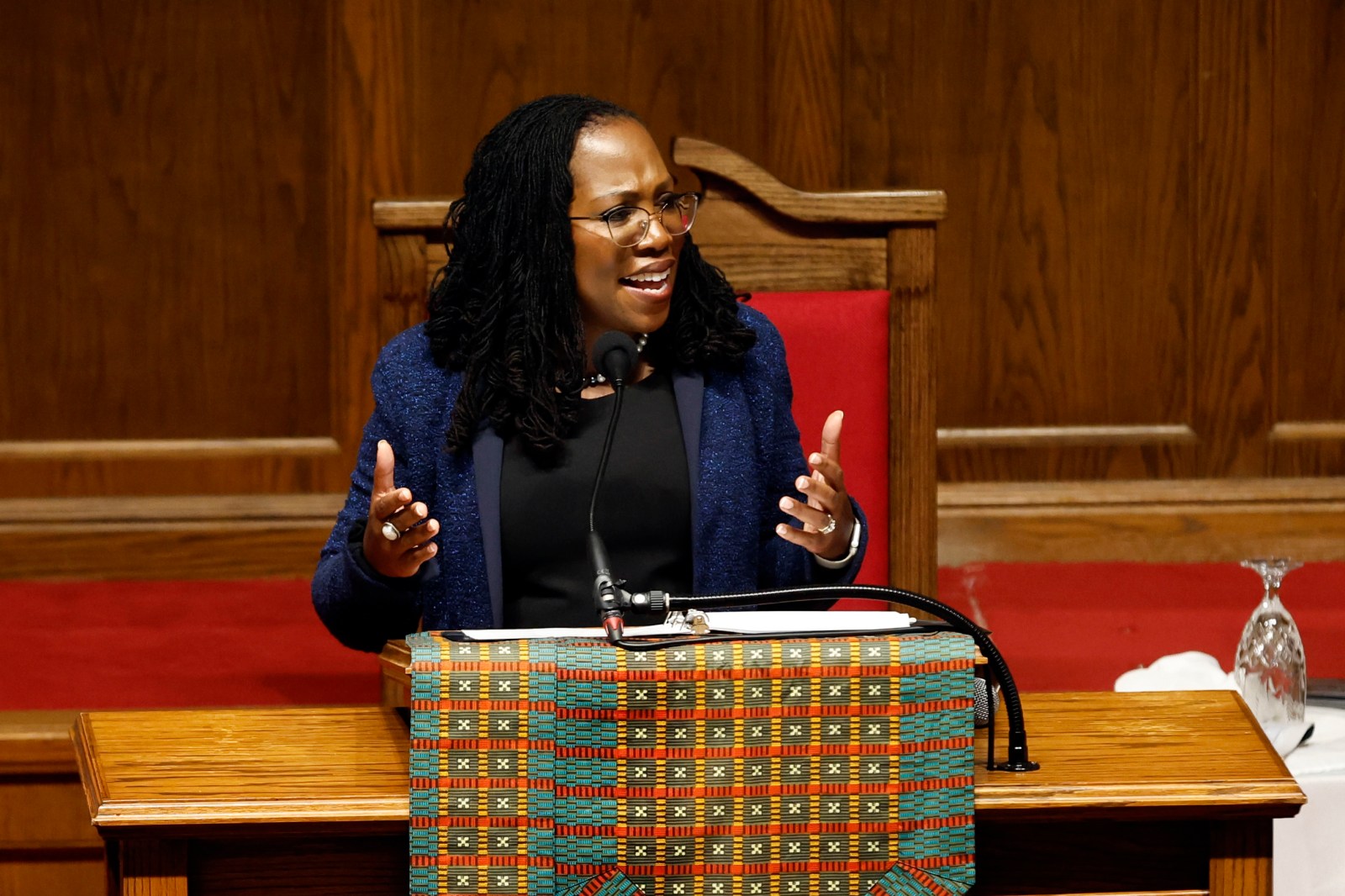
Justice Ketanji Brown Jackson was the sole dissenter in the Court’s decision. She expressed concerns about the Court’s approach in narrowing the scope of compassionate release by imposing limits not evident in the statute’s text. She emphasized that compassionate release serves as a critical ‘safety valve’ for cases where sentences may be unjust. Jackson warned that this decision might exclude deserving claims from consideration.
‘The Court arbitrarily restricts that discretion,’ Jackson stated, accusing the majority of creating an ‘atextual rule’ that prevents courts from addressing claims that question the validity of convictions.
The Case Involving Joe Fernandez
At the center of this ruling is Joe Fernandez, serving a life sentence for murder-for-hire in the Bronx, 2000. Fernandez’s sentencing in 2013 has been the subject of repeated challenges. A trial judge had granted his release on compassionate grounds due to doubts about the reliability of key testimony against him. However, the Supreme Court’s decision overturned this outcome, reinforcing a strict distinction between legal challenges to convictions and mechanisms for reducing sentences.
Majority’s Reasoning Led by Justice Barrett
Justice Amy Coney Barrett led the conservative majority in holding that federal prisoners cannot use compassionate release motions to contest the validity of their convictions. Instead, they must utilize the traditional habeas process as prescribed by Congress for post-conviction challenges.
The majority emphasized protecting the integrity of federal habeas law. Section 2255 petitions have strict deadlines and limits on repeated filings, and the justices cautioned that these restrictions would be compromised if similar challenges were allowed through the more flexible compassionate release process.
Concern centered on avoiding endless relitigation of criminal cases considered final, should conviction-related claims be entertained via compassionate release.
Concurring Opinion from Justices Sotomayor and Kagan
While agreeing to reverse the release of Fernandez, Justices Sonia Sotomayor and Elena Kagan rejected the broader legal reasoning of the majority. In a concurring opinion, Sotomayor argued against the unnecessary sweeping limitation imposed on compassionate release, viewing it unsupported by the statute itself.
She proposed a narrower test focusing on whether new circumstances have emerged post-sentencing that justify release. Sotomayor maintained that compassionate release should address developments after sentencing that render continued imprisonment unjust, not re-examine issues previously settled at trial or appeal.
Applying this narrower framework to Fernandez’s case, Sotomayor concluded that relief was unwarranted, as Fernandez failed to present new evidence or materially changed circumstances.
Jackson’s Concerns Over Future Implications
Justice Jackson raised concerns over the ruling’s broader implications, especially in cases involving potential innocence. She argued extreme situations, such as new evidence casting doubt on guilt, necessitate judicial discretion to act. By dismissing this possibility, she contended, the majority undermines a mechanism Congress envisioned for ensuring ‘just treatment of defendants’ and preserving mercy within the justice system.
Jackson indicated the difficulty in distinguishing between appropriate compassionate-release and habeas claims going forward. Jackson criticized the majority’s stance as ill-suited for distinct compassionate-release evaluations.
For Fernandez, the Supreme Court’s ruling invalidates his compassionate release, resulting in continued imprisonment for the murder-for-hire conviction.
Leave a Reply